How to prioritize self-care in a busy schedule: Tips for a Healthy Lifestyle opens a door to a world where self-care is not just a luxury but a necessity. In the hustle and bustle of daily life, taking care of oneself can often take a backseat.
This guide offers practical advice on how to make self-care a priority even when time is scarce.
From balancing a nutritious diet to finding time for exercise and managing stress, this comprehensive approach to self-care covers all aspects of well-being in a busy schedule. Dive in to discover how small changes can make a big difference in your overall health and happiness.
Balanced Diet
Maintaining a balanced diet is a crucial aspect of self-care as it provides the body with the necessary nutrients to function optimally. By consuming a variety of foods from different food groups, individuals can support their overall health and well-being.
Importance of a Balanced Diet
A balanced diet ensures that the body receives essential nutrients such as vitamins, minerals, carbohydrates, proteins, and fats in the right proportions. This helps in boosting immunity, improving energy levels, supporting weight management, and reducing the risk of chronic diseases.
- Include a variety of fruits and vegetables in your daily diet to provide essential vitamins, minerals, and antioxidants that promote overall health.
- Incorporate whole grains like brown rice, quinoa, and oats to increase fiber intake, support digestion, and regulate blood sugar levels.
- Include lean sources of protein such as poultry, fish, tofu, and legumes to build and repair tissues, as well as support muscle growth.
- Healthy fats from sources like nuts, seeds, avocados, and olive oil are essential for brain function, hormone production, and absorbing fat-soluble vitamins.
- Dairy or dairy alternatives provide calcium for bone health and are important for maintaining strong bones and teeth.
Mental Wellness
Maintaining mental wellness is crucial for overall self-care as it impacts how we think, feel, and act in our daily lives. Neglecting mental health can lead to increased stress, anxiety, and other mental health issues. Here are some tips on how to prioritize mental health in a busy schedule:
Practice Mindfulness
- Set aside a few minutes each day for mindfulness exercises such as deep breathing, meditation, or simply being present in the moment.
- Focus on your thoughts and feelings without judgment, allowing yourself to let go of stress and worries.
Establish Boundaries
- Learn to say no to tasks or commitments that overwhelm you and prioritize activities that bring you joy and relaxation.
- Set boundaries with work, social media, and other stressors to create a healthier balance in your life.
Seek Support
- Reach out to friends, family, or a therapist for emotional support and guidance when feeling overwhelmed or stressed.
- Join support groups or online communities to connect with others who may be experiencing similar challenges.
Manage Stress
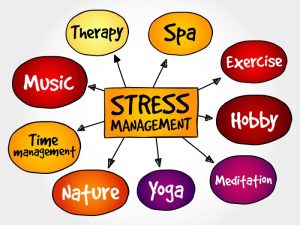
- Identify sources of stress in your life and develop effective coping mechanisms such as exercise, hobbies, or relaxation techniques.
- Practice self-care activities that help you unwind and recharge, such as taking a bath, going for a walk, or listening to music.
Physical Fitness
Physical fitness plays a crucial role in self-care as it not only improves our physical health but also has a positive impact on our mental well-being. Incorporating simple exercises into a busy routine can help us stay active, reduce stress, and boost our overall energy levels.
Simple Exercises for Busy Schedules
Even with a hectic schedule, there are exercises that can be easily integrated into your daily routine:
- Take the stairs instead of the elevator to sneak in some extra cardio.
- Do bodyweight exercises like squats, push-ups, and planks during short breaks throughout the day.
- Go for a brisk walk during your lunch break or after dinner to get some fresh air and stretch your legs.
- Try a quick yoga session in the morning to improve flexibility and reduce tension.
Benefits of Regular Physical Activity
Regular physical activity offers a wide range of benefits beyond just improving your physical health:
- Boosts mood and reduces feelings of anxiety and depression.
- Improves cardiovascular health and overall endurance.
- Helps in maintaining a healthy weight and reducing the risk of chronic diseases.
- Increases energy levels and promotes better sleep quality.
Adequate Hydration
Staying hydrated is crucial for self-care as it impacts both our physical and mental well-being. Dehydration can lead to fatigue, headaches, and even cognitive impairment, affecting our overall productivity and mood.
Importance of Adequate Hydration
Hydration plays a key role in maintaining bodily functions, regulating body temperature, and aiding digestion. It also helps in flushing out toxins from the body and keeping our skin healthy.
- Drink at least 8-10 glasses of water per day to ensure proper hydration.
- Carry a reusable water bottle with you to have easy access to water throughout the day.
- Set reminders on your phone or use water tracking apps to monitor your daily water intake.
- Include hydrating foods like fruits and vegetables in your diet to supplement your water intake.
Effects of Dehydration
Dehydration can lead to various negative effects on the body and mind, such as:
- Decreased energy levels and physical performance.
- Impaired concentration, memory, and cognitive function.
- Increased risk of headaches, dizziness, and mood swings.
- Dry skin, bad breath, and other skin-related issues.
Regular Exercise
Regular exercise is crucial for maintaining overall health and well-being, even in the midst of a busy schedule. Not only does it help improve physical fitness, but it also has numerous mental health benefits, including reducing stress and anxiety.
Benefits of Regular Exercise
- Improves cardiovascular health and reduces the risk of chronic diseases.
- Boosts mood and energy levels, enhancing productivity throughout the day.
- Helps with weight management and promotes better sleep quality.
Quick Workout Routines
For busy individuals, fitting in a workout can be challenging. Here are some quick routines that can be done in a short amount of time:
- Tabata: High-intensity interval training consisting of 20 seconds of exercise followed by 10 seconds of rest, repeated for 4 minutes.
- Bodyweight circuit: Perform a series of bodyweight exercises like squats, push-ups, and planks in a circuit format for a full-body workout.
- HIIT workout: High-intensity interval training involves short bursts of intense exercise followed by brief rest periods, making it efficient and effective.
Staying Motivated to Exercise Regularly
Staying consistent with exercise can be challenging, but these strategies can help:
- Set specific, achievable goals to track progress and stay motivated.
- Find an exercise routine that you enjoy to make it more sustainable in the long term.
- Work out with a friend or join group classes for added accountability and motivation.
Healthy Lifestyle
Maintaining a healthy lifestyle is crucial for overall well-being and self-care. It involves making conscious choices that promote physical, mental, and emotional health.
Habits for a Healthy Lifestyle
- Eating a balanced diet rich in fruits, vegetables, whole grains, and lean proteins.
- Getting an adequate amount of sleep each night to allow the body to rest and recharge.
- Engaging in regular physical activity to keep the body strong and fit.
- Practicing mindfulness and stress-relief techniques to promote mental wellness.
- Avoiding harmful substances like tobacco and excessive alcohol consumption.
Long-Term Benefits
A healthy lifestyle not only benefits your current well-being but also has long-term advantages:
- Reduced risk of chronic diseases such as heart disease, diabetes, and certain cancers.
- Improved mood and mental health, leading to a more positive outlook on life.
- Enhanced energy levels and productivity throughout the day.
- Increased longevity and overall quality of life as you age.
Stress Management
Effective stress management is crucial, especially for individuals with busy schedules. It not only helps in improving overall well-being but also enhances productivity and focus. Prioritizing stress reduction is a key component of self-care, as chronic stress can lead to various physical and mental health issues.
Mindfulness Practices
- Practicing deep breathing exercises: Taking deep, slow breaths can help calm the mind and body, reducing stress levels.
- Engaging in meditation: Spending even just a few minutes each day in meditation can help clear the mind and promote relaxation.
- Yoga or Tai Chi: These mind-body practices combine physical movement with mindfulness, helping to reduce stress and improve flexibility.
- Journaling: Writing down thoughts and emotions can be a therapeutic way to process stress and gain perspective.
Preventive Care
Preventive care in self-care routines involves taking proactive steps to maintain overall health and well-being, with a focus on preventing potential health issues before they arise.
Examples of Preventive Measures
- Regular health check-ups and screenings to detect any potential issues early on.
- Engaging in a balanced diet rich in fruits, vegetables, whole grains, and lean proteins.
- Practicing good hygiene habits to prevent the spread of infections.
- Getting an adequate amount of sleep each night to support overall health and immune function.
Role of Preventive Care in Reducing Chronic Diseases
Preventive care plays a crucial role in reducing the risk of chronic diseases by addressing risk factors and promoting healthy behaviors. By incorporating preventive measures into daily routines, individuals can lower their chances of developing conditions such as heart disease, diabetes, and certain types of cancer.
Early detection and intervention through preventive care can lead to better health outcomes and improved quality of life.
Proper Nutrition
Proper nutrition is essential for self-care as it provides the necessary nutrients to fuel our bodies and minds. By eating a well-balanced diet, we can improve our overall health and well-being, boost our energy levels, and support our immune system.
Making healthier food choices is key to maintaining a busy lifestyle without compromising on nutrition.
Creating a Well-Balanced Meal Plan
When creating a meal plan, it’s important to include a variety of foods from different food groups. Aim to incorporate fruits, vegetables, whole grains, lean proteins, and healthy fats into your meals. Planning ahead can help you make healthier choices and avoid reaching for convenience foods that may be high in unhealthy fats, sugars, and sodium.
- Include a source of protein in each meal, such as lean meats, poultry, fish, tofu, beans, or nuts.
- Opt for whole grains like brown rice, quinoa, whole wheat bread, or oats, which provide fiber and essential nutrients.
- Add plenty of fruits and vegetables to your meals to ensure you are getting a variety of vitamins and minerals.
- Incorporate healthy fats like avocados, olive oil, nuts, and seeds into your diet for heart health and brain function.
Making Healthier Food Choices in a Busy Lifestyle
In a busy schedule, it can be tempting to opt for fast food or processed meals for convenience. However, with some planning and smart choices, you can still eat nutritious meals even on the go.
- Prepare healthy snacks in advance, such as cut-up fruits and vegetables, yogurt, nuts, or whole grain crackers.
- Choose water or herbal tea over sugary drinks or excessive caffeine to stay hydrated throughout the day.
- Opt for grilled, baked, or steamed options when dining out to reduce the intake of fried and high-calorie foods.
- Read food labels and ingredients lists to make informed choices about the nutritional content of packaged foods.
Quality Sleep: How To Prioritize Self-care In A Busy Schedule
Sleep is a crucial element of self-care that often gets overlooked in a busy schedule. Quality sleep plays a significant role in our overall health and well-being, affecting both our physical and mental health.
Importance of Quality Sleep, How to prioritize self-care in a busy schedule
Quality sleep is essential for the body to rest, repair, and rejuvenate. It helps improve cognitive function, memory consolidation, and mood regulation. Lack of quality sleep can lead to a variety of health issues, including weakened immune system, weight gain, and increased risk of chronic diseases.
Tips for Improving Sleep Quality
- Avoid caffeine and heavy meals close to bedtime.
- Create a relaxing bedtime routine to signal to your body that it’s time to sleep.
- Keep your bedroom dark, quiet, and cool for optimal sleep environment.
- Avoid screens like phones and laptops before bed as the blue light can interfere with your sleep cycle.
- Try to stick to a consistent sleep schedule, even on weekends.
Impact of Sleep Deprivation
Sleep deprivation can have a profound impact on our health and well-being. It can lead to increased stress, irritability, and difficulty concentrating. Chronic sleep deprivation has been linked to serious health conditions such as heart disease, diabetes, and depression. Prioritizing quality sleep is crucial for maintaining overall health and improving our daily functioning.
Cardio Health
Maintaining good cardiovascular health is crucial for overall well-being and self-care. Cardio exercises help strengthen the heart, improve circulation, and boost endurance, leading to a healthier and more active lifestyle.
Examples of Cardio Exercises
- Brisk walking or jogging
- Jumping jacks
- Jump rope
- Cycling
- Swimming
Benefits of Good Cardiovascular Health
Regular cardio exercise can reduce the risk of heart disease, lower blood pressure, and improve cholesterol levels. It also helps in weight management, enhances mood, and increases overall energy levels. By incorporating short bursts of cardio exercises into your daily routine, you can experience these benefits and promote a healthy heart.
Immune Boost
Self-care practices play a crucial role in boosting the immune system, helping the body fight off illnesses and infections more effectively. By incorporating immune-boosting foods and habits into your routine, you can strengthen your body’s natural defense mechanisms and promote overall well-being.
Examples of Immune-Boosting Foods and Habits
- Include a variety of fruits and vegetables rich in vitamins and antioxidants, such as citrus fruits, berries, spinach, and bell peppers.
- Consume probiotic-rich foods like yogurt, kefir, and sauerkraut to support gut health, where a significant portion of the immune system resides.
- Stay hydrated by drinking plenty of water throughout the day to help flush out toxins and keep your body functioning optimally.
- Get regular exercise to improve circulation, reduce inflammation, and enhance immune function.
Connection Between Self-Care and a Strong Immune System
Self-care practices directly impact the immune system by reducing stress levels, promoting better sleep, and providing essential nutrients for immune function. When you prioritize self-care, you are giving your body the support it needs to defend against pathogens and maintain overall health and wellness.
Positive Mindset
Maintaining a positive mindset is crucial for self-care as it directly impacts our overall well-being. A positive outlook can help reduce stress, improve mental health, and enhance our resilience in facing life’s challenges.
Strategies for Cultivating a Positive Outlook
- Acknowledge and challenge negative thoughts: Practice self-awareness to identify negative thought patterns and replace them with positive affirmations.
- Practice gratitude: Take time each day to reflect on things you are grateful for, no matter how small they may seem.
- Surround yourself with positivity: Engage with uplifting content, spend time with supportive people, and create a positive environment.
- Practice mindfulness: Stay present in the moment, focus on your breathing, and practice meditation to cultivate a positive mindset.
Benefits of Maintaining a Positive Attitude
- Improved mental health: A positive mindset can reduce symptoms of anxiety and depression, leading to better overall mental well-being.
- Enhanced resilience: Having a positive outlook can help you bounce back from setbacks and challenges more effectively.
- Better relationships: Positivity can attract positive energy and improve your relationships with others, leading to a more fulfilling social life.
- Increased motivation: A positive attitude can boost your motivation and drive to achieve your goals, leading to greater success in various aspects of life.
Clean Eating
Clean eating involves consuming whole, minimally processed foods that are as close to their natural state as possible. This approach focuses on nourishing the body with nutrient-dense foods while avoiding artificial ingredients, added sugars, and unhealthy fats.
Benefits of Clean Eating
Clean eating can have numerous benefits for self-care, both physically and mentally. By choosing whole foods over processed ones, you can improve your overall health, boost your energy levels, enhance your mood, and support weight management. Additionally, clean eating can help reduce the risk of chronic diseases and improve digestion.
Examples of Clean Eating Habits
- Include a variety of fruits and vegetables in your daily meals to get a wide range of vitamins and minerals.
- Opt for whole grains like quinoa, brown rice, and oats instead of refined grains like white bread and pasta.
- Choose lean protein sources such as chicken, fish, tofu, and legumes to support muscle health.
- Avoid sugary beverages and opt for water, herbal teas, or homemade smoothies for hydration.
- Limit processed foods high in added sugars, unhealthy fats, and artificial ingredients.
Impact of Clean Eating on Physical and Mental Health
Clean eating can have a significant impact on both physical and mental health. By nourishing your body with wholesome foods, you can improve energy levels, support a healthy weight, and reduce inflammation. This, in turn, can positively impact mental health by reducing stress, enhancing cognitive function, and promoting overall well-being.
Daily Activity
Incorporating daily activity into a busy schedule is crucial for maintaining overall health and well-being. Despite a hectic routine, finding time for physical movement can significantly impact your mental and physical health positively.
Importance of Daily Activity
- Regular physical activity helps in improving cardiovascular health, reducing the risk of chronic diseases like diabetes and hypertension.
- Moving throughout the day can boost energy levels, increase productivity, and enhance mood.
- Engaging in daily activity promotes better sleep quality and helps in managing stress effectively.
Simple Ways to Stay Active Throughout the Day
- Take short walking breaks during work hours or between tasks to stretch your legs and refresh your mind.
- Use stairs instead of elevators whenever possible to sneak in some extra physical activity.
- Set reminders to stand up and move around every hour, especially if you have a sedentary job.
Benefits of Consistent Daily Activity
- Enhanced muscle strength and flexibility contribute to better posture and reduced risk of injuries.
- Improved circulation and metabolism support weight management and overall physical fitness.
- Regular physical activity can boost cognitive function and memory, leading to better concentration and mental acuity.
Holistic Health
When it comes to self-care, taking a holistic approach means considering the whole person – mind, body, and spirit. It involves looking at the interconnectedness of all aspects of health and well-being to achieve balance and harmony in one’s life.
Benefits of Holistic Practices
Holistic practices can have a profound impact on both physical and mental health. By incorporating practices that address all aspects of well-being, individuals can experience improved overall health, increased energy levels, reduced stress, and enhanced emotional well-being.
- Engaging in mindfulness meditation to promote mental clarity and reduce anxiety.
- Incorporating yoga or tai chi for physical fitness, flexibility, and stress relief.
- Eating a balanced diet of whole foods to nourish the body and support optimal functioning.
Examples of Holistic Self-Care Routines
For busy individuals looking to prioritize holistic self-care, incorporating the following routines can be beneficial:
- Start the day with a mindfulness practice, such as deep breathing or meditation, to set a positive tone for the day.
- Take regular breaks throughout the day to stretch, move your body, and refocus your mind.
- Practice gratitude journaling before bed to promote a positive mindset and better sleep.
Mindful Living
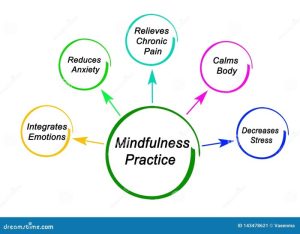
Mindful living involves being fully present and aware of your thoughts, emotions, and surroundings in the present moment without judgment. It plays a crucial role in self-care by helping individuals manage stress, improve focus, and cultivate a greater sense of well-being.
Tips for Practicing Mindfulness
- Start your day with a few minutes of mindful breathing or meditation to set a positive tone for the day.
- Practice mindful eating by savoring each bite, paying attention to flavors, textures, and sensations.
- Engage in activities like yoga or tai chi that promote mindfulness through movement and breath awareness.
- Take short mindfulness breaks throughout the day to check in with yourself and recenter your focus.
- Practice gratitude by reflecting on things you are thankful for, fostering a positive mindset.
Benefits of Mindfulness in a Busy Schedule
Incorporating mindfulness into a busy schedule can lead to numerous benefits, such as:
- Reduced stress and anxiety levels, promoting overall mental well-being.
- Improved focus and productivity by enhancing attention and concentration.
- Better emotional regulation and resilience in dealing with challenges and setbacks.
- Enhanced self-awareness and self-compassion, fostering a positive relationship with oneself.
- Improved relationships with others through better communication and empathy.
Emotional Balance
Emotional balance is a crucial aspect of self-care that often gets overlooked in a busy schedule. It involves managing your emotions in a healthy way to prevent stress and improve overall well-being. Achieving emotional balance can positively impact your mental health, relationships, and physical health.
Strategies for Achieving Emotional Balance
- Practice mindfulness: Take time to be present in the moment and acknowledge your feelings without judgment.
- Engage in activities you enjoy: Make time for hobbies or activities that bring you joy and relaxation.
- Communicate effectively: Express your thoughts and feelings openly with trusted individuals to avoid bottling up emotions.
- Set boundaries: Learn to say no to things that drain your energy and prioritize activities that nourish your soul.
- Seek professional help: If needed, don’t hesitate to reach out to a therapist or counselor for support and guidance.
Impact of Emotional Well-being on Overall Health
Emotional well-being is closely linked to physical health. Chronic stress and negative emotions can weaken the immune system, increase the risk of heart disease, and contribute to other health issues. On the other hand, maintaining emotional balance can lead to improved resilience, better coping mechanisms, and a healthier outlook on life.
Health Education
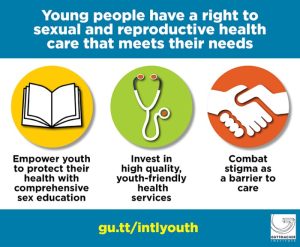
Health education plays a crucial role in self-care practices by empowering individuals with the knowledge and skills needed to make informed decisions about their health and well-being.
The Value of Health Education in Self-Care Practices
Health education helps individuals understand the importance of preventive care, proper nutrition, physical fitness, and mental wellness. By staying informed about health-related topics, individuals can take proactive steps to maintain a healthy lifestyle and prevent illnesses.
Resources for Staying Informed About Health-Related Topics
- Consulting reliable websites and online resources such as the Centers for Disease Control and Prevention (CDC) or the World Health Organization (WHO).
- Attending health seminars, workshops, or webinars organized by healthcare professionals and experts.
- Subscribing to reputable health magazines, newsletters, or podcasts for the latest updates on health trends and research.
The Role of Continuous Learning in Maintaining a Healthy Lifestyle
Continuous learning is essential for individuals to stay updated on new developments in healthcare, nutrition, and fitness. By incorporating new knowledge and skills into their daily routines, individuals can adapt to changing health needs and maintain a holistic approach to self-care.
Self-Care
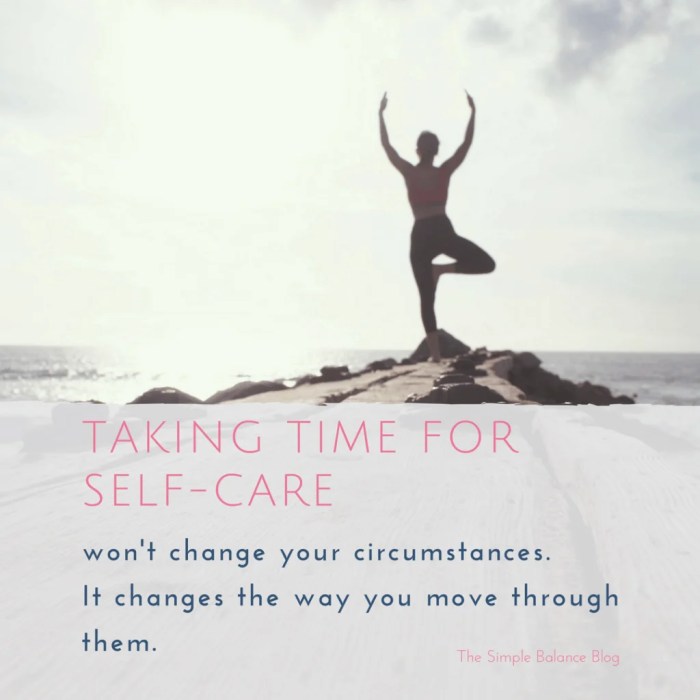
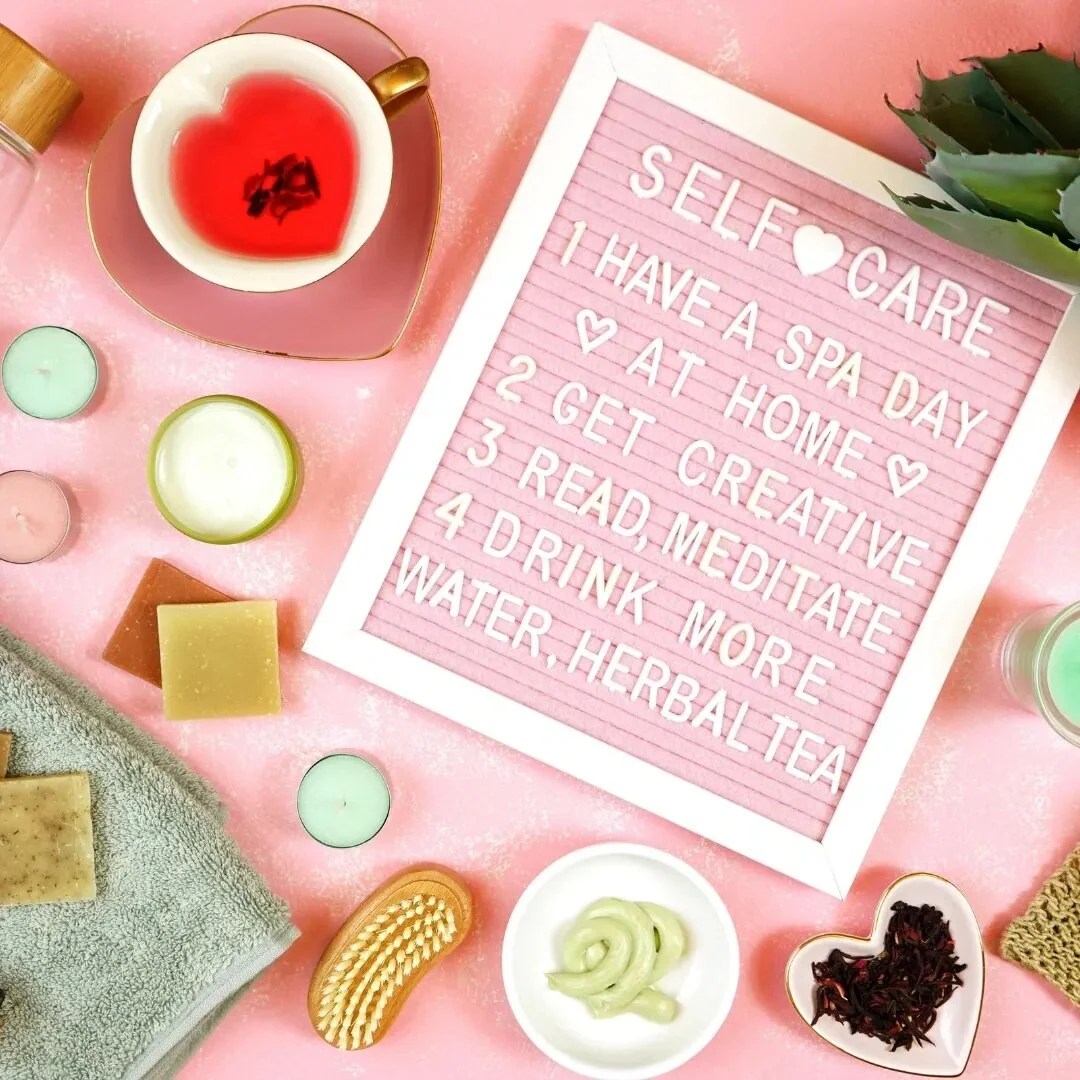
Self-care is the practice of taking actions to preserve or improve one’s own health and well-being, especially during periods of stress or when facing challenging circumstances. Prioritizing self-care is crucial for maintaining a healthy work-life balance and overall wellness.
Examples of Self-Care Activities for a Busy Schedule
- Setting aside time for mindfulness meditation or deep breathing exercises to reduce stress
- Taking short breaks throughout the day to stretch and relax muscles
- Scheduling regular social interactions with friends or loved ones for emotional support
- Engaging in hobbies or activities that bring joy and relaxation, such as reading, painting, or gardening
Impact of Prioritizing Self-Care
- Prioritizing self-care can lead to improved physical health, mental well-being, and emotional balance
- Regular self-care practices can help reduce feelings of burnout, anxiety, and overwhelm
- By making self-care a priority, individuals are better equipped to handle life’s challenges and maintain a positive outlook
Chronic Disease
Self-care plays a crucial role in preventing chronic diseases, which are long-term conditions that often require ongoing management. By prioritizing self-care practices, individuals can reduce the risk of developing chronic conditions and improve their overall quality of life.
Importance of Self-Care in Preventing Chronic Diseases
Self-care practices such as maintaining a balanced diet, engaging in regular exercise, managing stress, and getting adequate sleep can help prevent the onset of chronic diseases. These lifestyle choices can contribute to better overall health and reduce the risk of conditions like heart disease, diabetes, and certain types of cancer.
- Following a balanced diet rich in fruits, vegetables, whole grains, and lean proteins can help control weight and reduce the risk of obesity-related conditions.
- Engaging in regular physical activity, such as cardio workouts or strength training, can improve heart health, boost immunity, and lower the risk of cardiovascular diseases.
- Practicing stress management techniques like mindfulness meditation or yoga can reduce the impact of chronic stress on the body and lower the risk of stress-related conditions.
Role of Self-Care in Managing Chronic Diseases
For individuals already living with chronic diseases, self-care remains essential in managing their conditions and improving their quality of life. By following self-care practices tailored to their specific needs, individuals can better control symptoms, prevent complications, and enhance their overall well-being.
- Proper nutrition and hydration play a key role in managing chronic conditions like diabetes or hypertension, helping individuals regulate blood sugar levels and blood pressure.
- Regular exercise can help individuals with chronic diseases maintain mobility, manage pain, and improve their cardiovascular health.
- Getting quality sleep and practicing stress management can reduce inflammation, improve immune function, and enhance mental well-being in individuals with chronic conditions.
Last Word
In conclusion, prioritizing self-care in a busy schedule is not just about pampering yourself; it’s about nurturing your body and mind to lead a fulfilling life. By incorporating these tips into your routine, you can create a sustainable lifestyle that promotes long-term wellness.
Remember, self-care is not selfish; it’s essential for your overall well-being.
Clarifying Questions
How can I find time for self-care in a hectic schedule?
It’s all about prioritizing and scheduling self-care activities just like any other important task. Even small pockets of time can be utilized for self-care, whether it’s a short meditation session or a quick walk.
Is self-care only about physical health or does it include mental well-being as well?
Self-care encompasses both physical and mental aspects of well-being. It’s important to address stress, anxiety, and other mental health issues along with maintaining a healthy lifestyle.
What are some quick self-care activities I can do during a busy day?
Quick self-care activities include deep breathing exercises, stretching breaks, listening to calming music, or even just taking a few moments to drink a glass of water and rehydrate.