Benefits of support groups for individuals with chronic diseases take the spotlight, offering a supportive community for those navigating health challenges. This engaging passage invites readers into a world where shared experiences provide comfort and empowerment.
Explore further to uncover the profound impact of these support groups on well-being and disease management.
Balanced Diet
Eating a balanced diet is crucial for managing chronic diseases as it provides the necessary nutrients to support overall health and well-being. Making mindful dietary choices can significantly impact the progression and symptoms of chronic conditions.
Importance of Nutrient-Rich Foods
- Include a variety of fruits and vegetables in your diet to ensure you get essential vitamins, minerals, and antioxidants.
- Opt for whole grains like brown rice, quinoa, and whole wheat bread to increase fiber intake and promote digestive health.
- Incorporate lean proteins such as fish, poultry, tofu, and legumes to support muscle health and repair.
- Choose healthy fats like avocados, nuts, and olive oil to reduce inflammation and support heart health.
Impact of Dietary Choices on Chronic Diseases
Dietary choices play a significant role in managing chronic diseases such as diabetes, heart disease, and hypertension. Consuming excess sugar, saturated fats, and processed foods can worsen symptoms and lead to complications. On the other hand, a balanced diet rich in nutrients can help control blood sugar levels, improve cholesterol levels, and reduce blood pressure, ultimately slowing down the progression of these conditions.
Mental Wellness
When dealing with chronic diseases, mental wellness plays a crucial role in how individuals cope with their health challenges. It encompasses emotional, psychological, and social well-being, all of which are interconnected with physical health.
Strategies for Maintaining a Positive Mindset
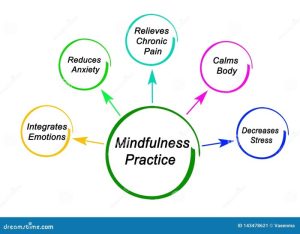
- Practice mindfulness and relaxation techniques such as meditation or deep breathing exercises to manage stress and anxiety.
- Engage in activities that bring joy and fulfillment, whether it’s hobbies, spending time with loved ones, or pursuing creative outlets.
- Stay connected with a support system, whether through support groups, therapy, or simply confiding in trusted friends and family members.
- Focus on gratitude and positive affirmations to shift your mindset towards a more optimistic outlook.
Connection Between Mental Health and Overall Well-being
Maintaining good mental health is vital for overall well-being, especially when managing chronic diseases. Studies have shown that individuals with positive mental attitudes tend to have better treatment outcomes and quality of life. The mind-body connection is powerful, and nurturing your mental well-being can have a direct impact on physical health.
Physical Fitness

Regular exercise plays a crucial role in the management of chronic diseases, offering a wide range of benefits that contribute to overall well-being. Physical fitness not only helps in improving physical health but also has a positive impact on mental wellness and emotional stability.
Benefits of Regular Exercise for Individuals with Chronic Diseases
Regular physical activity can help individuals with chronic diseases in various ways, such as:
- Improving cardiovascular health and reducing the risk of heart-related complications.
- Enhancing flexibility, strength, and balance to prevent falls and injuries.
- Boosting immune function and reducing inflammation in the body.
- Managing weight and promoting healthy metabolism.
Suitable Exercises for Different Chronic Conditions
- Cardiovascular Diseases:Aerobic exercises like walking, cycling, or swimming can help improve heart health.
- Arthritis:Low-impact activities such as yoga, tai chi, or water aerobics can help reduce joint pain and stiffness.
- Diabetes:Combining aerobic exercises with strength training can help control blood sugar levels effectively.
- COPD (Chronic Obstructive Pulmonary Disease):Breathing exercises, walking, and light weight training can improve lung function and stamina.
How Physical Fitness Contributes to Improved Quality of Life
Regular physical activity not only helps in managing symptoms and preventing complications but also contributes to an improved quality of life by:
- Enhancing overall mood and reducing stress and anxiety levels.
- Improving sleep quality and promoting better rest and recovery.
- Increasing energy levels and reducing fatigue associated with chronic diseases.
- Boosting self-esteem and confidence in managing the challenges of living with a chronic condition.
Adequate Hydration
Staying adequately hydrated is crucial for individuals with chronic diseases as it plays a significant role in managing symptoms and overall health.
Importance of Proper Hydration
Proper hydration helps in maintaining the body’s functions, including circulation, digestion, and temperature regulation. For individuals with chronic diseases, such as diabetes or kidney disease, staying hydrated can prevent complications and improve their quality of life.
Tips for Proper Hydration, Benefits of support groups for individuals with chronic diseases
- Carry a reusable water bottle with you throughout the day to remind yourself to drink water regularly.
- Set reminders on your phone or use apps to track your water intake and ensure you are meeting your daily hydration goals.
- Incorporate hydrating foods such as fruits, vegetables, and soups into your meals to boost your fluid intake.
- Avoid sugary drinks and opt for water, herbal teas, or infused water for a healthier hydration choice.
Impact of Dehydration on Chronic Conditions
Dehydration can worsen symptoms of chronic diseases and lead to complications such as increased blood sugar levels in diabetes or kidney stones in kidney disease. It can also affect medication absorption and overall well-being, making it essential for individuals with chronic conditions to prioritize proper hydration.
Stress Management
Managing stress is crucial for individuals dealing with chronic diseases as it can impact their overall well-being and disease progression.
Effective Stress Management Techniques
- Practice relaxation techniques such as deep breathing, meditation, or yoga to calm the mind and body.
- Engage in regular physical activity to release endorphins and reduce stress levels.
- Establish a support system by connecting with friends, family, or support groups to share feelings and receive encouragement.
- Set realistic goals and prioritize tasks to avoid feeling overwhelmed.
Connection Between Stress Levels and Disease Progression
High levels of stress can weaken the immune system, making individuals more susceptible to complications and exacerbating their chronic condition.
Strategies for Maintaining Emotional Balance
- Practice mindfulness and stay present in the moment to reduce anxiety about the future.
- Seek professional help if needed through therapy or counseling to address emotional challenges.
- Engage in activities that bring joy and relaxation, such as hobbies or spending time in nature.
- Ensure adequate sleep and nutrition to support emotional well-being and resilience against stress.
Preventive Care
Preventive care plays a crucial role in managing chronic diseases by focusing on early detection and intervention to prevent the progression of the condition. It involves proactive measures to maintain overall health and well-being, reducing the impact of the disease on an individual’s life.
The Significance of Preventive Care
- Regular Check-ups: Routine visits to healthcare providers allow for monitoring of the condition’s progression and adjustment of treatment plans as needed.
- Screenings: Periodic screenings help in detecting any potential complications or changes in the condition early on, enabling timely intervention.
- Healthy Lifestyle Choices: Adopting a balanced diet, engaging in regular physical activity, and managing stress can help in preventing exacerbations of chronic diseases.
Quality Sleep
Quality sleep is crucial for individuals with chronic diseases as it plays a significant role in overall health and disease management. Poor sleep can exacerbate symptoms, weaken the immune system, and hinder the body’s ability to heal and repair itself.
Tips for Improving Sleep Hygiene and Establishing a Healthy Sleep Routine
- Avoid stimulants like caffeine and nicotine close to bedtime.
- Establish a relaxing bedtime routine to signal to your body that it’s time to wind down.
- Ensure your sleep environment is comfortable, cool, dark, and quiet.
- Avoid screens before bed and consider using blue light filters on electronic devices.
- Try to go to bed and wake up at the same time every day to regulate your body’s internal clock.
Impact of Adequate Rest on Overall Health and Disease Management
Adequate rest not only improves energy levels and cognitive function but also helps regulate hormones, reduce inflammation, and support immune function. By prioritizing quality sleep, individuals with chronic diseases can better manage their symptoms, enhance their quality of life, and improve their overall health outcomes.
Cardio Health
Cardiovascular health plays a crucial role in the overall well-being of individuals with chronic diseases. Maintaining a healthy heart can help manage symptoms, improve quality of life, and reduce the risk of complications associated with chronic conditions.
Benefits of Cardio Health
- Improved circulation: Regular cardiovascular exercise can help enhance blood flow, delivering essential nutrients and oxygen throughout the body, which is beneficial for individuals with chronic diseases.
- Stronger heart muscle: Engaging in heart-healthy activities such as aerobic exercise can strengthen the heart muscle, leading to better heart function and increased endurance.
- Reduced risk of cardiovascular complications: By prioritizing heart health, individuals with chronic diseases can lower their risk of heart-related complications, such as heart attacks and strokes.
Heart-Healthy Activities and Lifestyle Choices
- Aerobic exercises like walking, jogging, swimming, or cycling are excellent choices for improving cardiovascular health.
- Incorporating a balanced diet rich in fruits, vegetables, whole grains, and lean proteins can support heart health and overall well-being.
- Avoiding smoking, limiting alcohol intake, and managing stress through relaxation techniques can also contribute to a healthy heart.
Connection between Heart Health and Chronic Disease Management
- Improved cardiovascular health can enhance the body’s ability to cope with the demands of chronic diseases, leading to better symptom management and overall health.
- By focusing on heart health, individuals with chronic conditions can experience improved energy levels, better mood, and a reduced risk of complications.
- Regular cardiovascular exercise and heart-healthy lifestyle choices can complement other aspects of chronic disease management, creating a holistic approach to overall well-being.
Immune Boost
Boosting the immune system is crucial for individuals with chronic diseases as it helps in fighting off infections and reducing the severity of symptoms. A strong immune system can also aid in faster recovery and overall well-being.
Immune-Boosting Strategies
- Include immune-boosting foods in your diet such as fruits, vegetables, nuts, seeds, and lean proteins.
- Stay hydrated by drinking an adequate amount of water throughout the day to support immune function.
- Engage in regular physical activity to strengthen the immune system and improve overall health.
- Get enough quality sleep to allow the body to repair and regenerate cells, crucial for a strong immune response.
- Manage stress through relaxation techniques like meditation, deep breathing, and mindfulness to prevent immune suppression.
Impact of a Strong Immune System
A strong immune system plays a vital role in managing chronic conditions effectively by reducing inflammation, preventing infections, and promoting overall health. By adopting immune-boosting strategies through lifestyle changes and dietary choices, individuals with chronic diseases can enhance their immune response and improve their quality of life.
Self-Care: Benefits Of Support Groups For Individuals With Chronic Diseases
Self-care practices play a crucial role in the overall well-being of individuals with chronic diseases. By incorporating self-care activities into daily routines, individuals can effectively manage their condition and improve their quality of life.
Importance of Self-Care
Self-care is essential for individuals with chronic diseases as it helps in reducing stress, managing symptoms, and enhancing overall health. By taking care of themselves physically, mentally, and emotionally, individuals can better cope with the challenges posed by their condition.
Examples of Self-Care Activities
- Engaging in regular exercise such as yoga or walking to improve physical fitness.
- Practicing mindfulness and meditation to reduce stress and promote mental wellness.
- Eating a balanced diet rich in nutrients to support overall health and immune function.
- Scheduling regular check-ups and preventive care appointments to monitor the disease progression.
- Taking time for hobbies and activities that bring joy and relaxation.
Tips for Incorporating Self-Care
- Start small by dedicating a few minutes each day to self-care activities.
- Create a self-care routine and stick to it consistently.
- Listen to your body and adjust self-care activities based on your energy levels and needs.
- Seek support from healthcare professionals or support groups to enhance your self-care practices.
- Remember that self-care is not selfish, but rather a necessary part of managing your chronic disease effectively.
Final Summary
In conclusion, the benefits of support groups for individuals with chronic diseases cannot be overstated. With a foundation of empathy and shared knowledge, these groups offer invaluable support for those on their health journey.
Frequently Asked Questions
How do support groups benefit individuals with chronic diseases?
Support groups provide emotional support, shared experiences, and valuable information that can help individuals cope better with their condition.
Are there online support groups available for individuals with chronic diseases?
Yes, many organizations offer online support groups that provide a virtual platform for individuals to connect and share their experiences.
Can support groups replace medical treatment for chronic diseases?
No, support groups are meant to complement medical treatment and provide additional emotional and social support to individuals.