Importance of environmental wellness in holistic living sets the foundation for a balanced and sustainable lifestyle, intertwining personal well-being with the health of the planet. This dynamic relationship highlights the crucial role of environmental factors in achieving overall wellness.
As we delve deeper into the intricate connections between our well-being and the environment, we uncover a wealth of insights and practices that can enhance not only our physical health but also the vitality of the world around us.
Introduction to Environmental Wellness
Environmental wellness, in the context of holistic living, refers to the awareness of the surroundings we live in and how they impact our overall well-being. It involves taking care of the environment to ensure a healthy and sustainable lifestyle.
Considering the environment in our daily lives is crucial for our health and happiness. The quality of the air we breathe, the water we drink, and the food we eat all have a direct impact on our physical and mental well-being.
By prioritizing environmental wellness, we can create a more balanced and healthy lifestyle for ourselves and future generations.
The Importance of Environmental Wellness
- Environmental wellness promotes a healthier lifestyle by encouraging sustainable habits such as recycling, conserving energy, and reducing waste.
- By protecting the environment, we also protect ourselves from harmful pollutants and toxins that can lead to various health issues.
- Being in harmony with nature can reduce stress, improve mood, and enhance overall mental health.
- Preserving the environment ensures a better quality of life for all living beings on Earth, fostering a sense of interconnectedness and responsibility.
Balanced Diet in Holistic Living
A balanced diet plays a crucial role in environmental wellness as it not only supports personal health but also has a significant impact on the environment. By choosing nutrient-rich foods, individuals can contribute to sustainability and the well-being of the ecosystem.
Nutrient-Rich Foods for Personal Health and the Environment
Consuming nutrient-rich foods not only benefits personal health but also helps in preserving the environment. Some examples of nutrient-rich foods that support both personal health and the environment include:
- Organic fruits and vegetables: These are grown without synthetic pesticides or fertilizers, reducing the harmful impact on the environment.
- Legumes and beans: Rich in protein and fiber, these plant-based foods have a lower environmental footprint compared to animal products.
- Whole grains: Foods like quinoa, brown rice, and oats are not only nutritious but also require fewer resources to produce, making them environmentally friendly choices.
Impact of Food Choices on Sustainability
Food choices have a direct impact on sustainability and the ecosystem. By opting for locally sourced, seasonal, and organic foods, individuals can reduce their carbon footprint and support sustainable agricultural practices. Moreover, reducing food waste and choosing plant-based options can help conserve resources and promote a more sustainable food system.
Mental Wellness and Environmental Well-Being
Environmental well-being plays a crucial role in mental wellness. The connection between the two is undeniable, as our surroundings have a significant impact on our mental health. When we prioritize taking care of our environment, we are also nurturing our own well-being.
Benefits of Spending Time in Nature for Mental Health
Spending time in nature has numerous benefits for mental health. Nature has a calming effect on the mind and body, reducing stress and anxiety levels. The fresh air, soothing sounds, and natural beauty of the outdoors can help improve mood and overall mental well-being.
- Improved mood and reduced stress levels
- Enhanced focus and concentration
- Boosted creativity and cognitive function
- Increased feelings of happiness and well-being
Connecting with nature allows individuals to disconnect from the hustle and bustle of daily life, providing a sense of peace and tranquility.
Strategies for Incorporating Nature-Based Activities into Daily Routines
It is essential to incorporate nature-based activities into our daily routines to reap the mental health benefits of spending time outdoors. Here are some strategies to help you infuse nature into your daily life:
- Take a walk in a nearby park or nature reserve
- Practice mindfulness or meditation outdoors
- Start a garden or tend to indoor plants
- Plan outdoor picnics or hikes with friends and family
By incorporating nature-based activities into daily routines, individuals can improve their mental well-being and lead a more balanced and holistic life.
Physical Fitness and Sustainable Practices
Physical fitness and sustainable living go hand in hand, as taking care of our bodies through exercise can also positively impact the environment. By incorporating eco-friendly practices into our workout routines and outdoor activities, we can promote both personal health and environmental wellness.
Examples of Eco-Friendly Exercise Routines or Outdoor Activities
- Walking or biking instead of driving: Opting to walk or bike for transportation not only reduces carbon emissions but also provides a great workout for cardiovascular health.
- Outdoor yoga or meditation: Practicing yoga or meditation in nature allows you to connect with the environment while improving flexibility and mental well-being.
- Trail running or hiking: Running or hiking on trails not only provides a challenging workout but also allows you to appreciate the beauty of natural surroundings.
Physical Activity in Natural Settings Enhancing Fitness and Environmental Wellness
Exercising in natural settings has been shown to have numerous benefits for both physical fitness and environmental well-being. The fresh air, sunlight, and natural surroundings can boost mood and energy levels, making workouts more enjoyable and effective.
Research has shown that outdoor exercise can lead to greater feelings of revitalization, increased energy, and positive engagement, compared to indoor exercise.
Additionally, engaging in physical activity outdoors can foster a deeper connection to nature, leading to a greater appreciation for the environment and a desire to protect it.
Adequate Hydration and Environmental Impact
Staying hydrated is crucial not only for personal health but also for the environment. The choices we make in terms of hydration can have a significant impact on the planet’s well-being.
Reducing Plastic Waste Through Sustainable Hydration Practices
One effective way to reduce plastic waste is by investing in a reusable water bottle. By opting for a durable, refillable container, you can significantly decrease the amount of single-use plastic bottles that end up in landfills and oceans. Additionally, choosing to fill your bottle with filtered tap water instead of purchasing bottled water can further reduce plastic waste.
Connection Between Clean Water Sources and Environmental Sustainability
Clean water sources are essential for environmental sustainability. By protecting and preserving our water sources, we can ensure that ecosystems thrive and biodiversity is maintained. It is important to advocate for policies and practices that prioritize the conservation of clean water sources to safeguard the environment for future generations.
Regular Exercise and Eco-Friendly Choices
Regular exercise plays a crucial role in holistic living by promoting physical fitness, mental well-being, and overall health. However, it is equally important to consider the environmental impact of our fitness activities and make eco-friendly choices to minimize harm to the planet.
Examples of Exercise Routines Promoting Sustainability
- Outdoor Activities: Engaging in outdoor exercises like hiking, cycling, or running not only benefits your health but also reduces the need for gym equipment and electricity consumption.
- Group Fitness Classes: Participating in group fitness classes can foster a sense of community and reduce individual carbon footprints by carpooling to the location.
- Bodyweight Workouts: Opting for bodyweight exercises that require minimal equipment helps in cutting down on the production and disposal of exercise gear.
Ways to Minimize Environmental Impact of Fitness Activities, Importance of environmental wellness in holistic living
- Use Sustainable Gear: Choose eco-friendly workout clothing made from recycled materials and support brands that prioritize sustainability in their manufacturing processes.
- Avoid Single-Use Plastics: Bring your reusable water bottle and snacks in containers to reduce plastic waste generated during workouts.
- Go Digital: Utilize fitness apps or online workout videos instead of purchasing DVDs or printed workout guides to save paper and resources.
Healthy Lifestyle Habits for Environmental Wellness
Living a healthy lifestyle not only benefits our own well-being but also plays a crucial role in preserving the environment for future generations. By adopting sustainable practices into our daily routines, we can significantly reduce our carbon footprint and promote environmental wellness.
Key Healthy Lifestyle Habits for Environmental Wellness
- Avoid single-use plastics: Opt for reusable items such as water bottles, shopping bags, and containers to minimize waste and plastic pollution.
- Conserve energy: Turn off lights and electronics when not in use, switch to energy-efficient appliances, and utilize natural light whenever possible.
- Eat locally and seasonally: Support local farmers and reduce the carbon emissions associated with transporting food long distances.
- Reduce water consumption: Fix leaks, take shorter showers, and consider installing water-saving devices to conserve this precious resource.
Significance of Incorporating Sustainable Practices
By integrating sustainable practices into our daily lives, we can help protect ecosystems, reduce greenhouse gas emissions, and mitigate the impact of climate change. Small changes in our habits can collectively make a big difference in preserving the planet.
Tips for Transitioning to a More Eco-Conscious Lifestyle
- Start small: Begin by making simple changes such as using reusable bags or switching to eco-friendly cleaning products.
- Educate yourself: Learn about the environmental impact of your actions and seek out ways to minimize your footprint.
- Join community initiatives: Participate in local clean-up events, community gardens, or environmental awareness campaigns to connect with like-minded individuals.
- Set goals: Establish realistic goals for reducing waste, conserving energy, and supporting sustainable practices in your daily life.
Stress Management and Environmental Connection: Importance Of Environmental Wellness In Holistic Living
Stress management is crucial for maintaining overall well-being, but its impact goes beyond personal health. By exploring the connection between stress management and the environment, we can uncover ways to benefit both ourselves and the world around us.When individuals experience high levels of stress, they often become disconnected from their surroundings and may neglect environmental awareness and sustainability efforts.
This can lead to increased consumption, waste, and a disregard for eco-friendly practices. By addressing stress, we can improve our relationship with the environment and contribute to a more sustainable future.
Benefits of Nature-Based Activities
- Engaging in outdoor activities such as hiking, gardening, or simply spending time in nature can help reduce stress levels.
- Connecting with the natural world can promote mindfulness, relaxation, and a sense of calm, leading to improved mental well-being.
- By fostering a deeper connection with the environment, individuals are more likely to engage in sustainable behaviors and support eco-friendly initiatives.
Strategies for Eco-Friendly Stress Reduction
- Practicing mindfulness in nature by focusing on the present moment and appreciating the beauty of the environment.
- Participating in conservation activities such as beach clean-ups or tree planting to actively contribute to environmental preservation.
- Incorporating eco-friendly practices into daily routines, such as using reusable products, reducing energy consumption, and supporting local sustainable businesses.
Preventive Care and Environmental Health
Preventive care plays a crucial role in maintaining both personal health and environmental well-being. By taking proactive measures to prevent illness and injury, individuals can not only improve their own health but also reduce the negative impact on the environment.
This approach involves promoting healthy habits, reducing exposure to harmful substances, and minimizing waste production.
Examples of Preventive Health Measures Benefiting the Environment
- Choosing organic and locally sourced foods reduces the use of pesticides and greenhouse gas emissions from transportation.
- Using eco-friendly cleaning products helps prevent water pollution and minimizes harm to aquatic life.
- Walking, cycling, or using public transportation instead of driving helps decrease air pollution and carbon emissions.
- Properly disposing of medications and hazardous waste prevents contamination of soil and water sources.
Proactive Health Practices for a Sustainable Lifestyle
- Regular medical check-ups and screenings can detect health issues early, preventing more serious conditions and reducing medical waste.
- Maintaining a balanced diet rich in fruits, vegetables, and whole grains not only improves health but also reduces food waste and promotes sustainable agriculture.
- Engaging in physical activity not only benefits personal fitness but also encourages outdoor recreation and appreciation of nature.
- Practicing stress management techniques like meditation and yoga can improve mental health and foster a deeper connection with the environment.
Proper Nutrition and Sustainable Choices
Proper nutrition is essential for overall well-being, but it is also closely linked to sustainable choices and environmental wellness. The food choices we make can have a significant impact on the environment, from production to transportation and waste. By making conscious decisions about what we eat, we can support sustainable practices and contribute to a healthier planet.
Exploring the Link between Nutrition and Sustainability
Our food choices directly affect the environment, as agricultural practices can lead to deforestation, water pollution, and greenhouse gas emissions. Opting for locally sourced, organic, and seasonal produce can reduce the carbon footprint associated with food production.
Tips for Making Environmentally Conscious Food Decisions
- Choose plant-based options: Incorporating more plant-based foods into your diet can reduce the environmental impact of food production.
- Avoid food waste: Plan your meals, use leftovers creatively, and compost organic waste to minimize the environmental impact of food disposal.
- Support sustainable farming practices: Look for certifications like organic, fair trade, or Rainforest Alliance when purchasing food products.
Impact of Food Production on the Environment and Supporting Sustainable Agriculture
Conventional farming methods often rely on pesticides, synthetic fertilizers, and monocropping, which can deplete soil nutrients and harm local ecosystems. Supporting sustainable agriculture practices, such as crop rotation, agroforestry, and integrated pest management, can help preserve biodiversity and soil health.
Quality Sleep and Environmental Impact
Quality sleep plays a crucial role in maintaining overall health and well-being. It is essential for our physical, mental, and emotional health, as it allows our bodies to rest, repair, and rejuvenate. However, the impact of our sleep habits goes beyond personal health and also extends to the environment.
Creating a Sleep-Friendly Environment
Creating a sleep-friendly environment not only enhances the quality of your rest but also contributes to environmental sustainability. Here are some tips for creating a sleep-friendly and eco-conscious space:
- Avoid using electronic devices before bedtime as the blue light emitted can disrupt your circadian rhythm and negatively impact your sleep.
- Opt for organic bedding made from sustainable materials like bamboo or organic cotton to reduce exposure to harmful chemicals and support eco-friendly practices.
- Use energy-efficient lighting options like LED bulbs to minimize energy consumption and reduce your carbon footprint.
- Keep your bedroom well-ventilated with natural airflow or use eco-friendly air purifiers to improve indoor air quality and promote better sleep.
Importance of Restful Sleep
Quality sleep is not only essential for personal well-being but also plays a significant role in environmental health. By prioritizing restful sleep, you can improve your overall health and contribute to a more sustainable lifestyle. Adequate sleep enhances cognitive function, boosts immune system function, and supports emotional well-being, all of which are crucial for living a healthy and environmentally-conscious life.
Cardiovascular Health and Eco-Friendly Activities
Physical activity plays a crucial role in maintaining cardiovascular health, and engaging in eco-friendly activities can further enhance the benefits for both our bodies and the environment.
Heart-Healthy Exercises with Environmental Benefits
Outdoor activities such as hiking, cycling, and running not only improve cardiovascular fitness but also reduce carbon emissions by avoiding the use of machines or equipment that consume electricity. Additionally, activities like gardening and outdoor yoga promote heart health while connecting us to nature and fostering environmental awareness.
Benefits of Outdoor Cardio Workouts
- Improved cardiovascular endurance and heart health
- Reduced stress levels and increased mental well-being
- Enhanced vitamin D absorption from sunlight exposure
- Environmental benefits from reduced energy consumption and carbon footprint
Immune Boosting and Nature’s Influence
When it comes to boosting our immune system, nature has a lot to offer. By aligning immune-boosting practices with nature-based solutions, we can not only enhance our well-being but also contribute to environmental sustainability.
Benefits of Natural Remedies and Outdoor Exposure
Exploring natural remedies and spending time outdoors can have significant benefits for our immune health. Fresh air, sunlight, and the healing properties of plants can all play a role in strengthening our immune system.
- Outdoor exposure can help increase vitamin D levels, which are essential for immune function.
- Natural remedies like herbal teas, essential oils, and plant-based supplements can provide immune-boosting properties without harmful chemicals.
- Connecting with nature has been shown to reduce stress levels, which can in turn support a healthy immune response.
Ways to Strengthen the Immune System and Support Environmental Sustainability
It’s possible to boost our immune system while also taking care of the environment. By making conscious choices, we can support both our health and the planet’s well-being.
- Choosing organic and locally sourced foods can reduce exposure to harmful pesticides and support sustainable agriculture practices.
- Engaging in outdoor activities like hiking, gardening, or simply spending time in green spaces can provide immune-boosting benefits while promoting environmental conservation.
- Practicing mindfulness and stress-reducing activities in natural settings can have a positive impact on both immune health and environmental awareness.
Positive Mindset and Environmental Awareness
Having a positive mindset plays a crucial role in increasing environmental awareness and promoting sustainable living practices. When individuals approach life with optimism and mindfulness, they are more likely to make eco-friendly choices and prioritize the well-being of the planet.
Cultivating Optimism for Sustainable Living
- Optimism encourages individuals to believe in the possibility of positive change, motivating them to take action towards environmental conservation.
- Positive thinking leads to a proactive mindset, fostering a sense of responsibility towards the planet and promoting sustainable habits.
- Individuals with an optimistic outlook are more likely to seek out eco-friendly alternatives, reducing their carbon footprint and supporting environmental initiatives.
Mindfulness for Eco-Friendly Choices
- Practicing mindfulness allows individuals to be present in the moment, making them more aware of their impact on the environment and the importance of conservation.
- Being mindful of one’s actions and consumption patterns can lead to more conscious decision-making, resulting in reduced waste and a greater focus on sustainability.
- By staying present and mindful, individuals can appreciate the beauty of nature and feel a deeper connection to the environment, inspiring them to protect and preserve it for future generations.
Clean Eating and Sustainable Food Sources
When it comes to environmental wellness, clean eating plays a crucial role in promoting sustainable food sources. Clean eating involves consuming whole, minimally processed foods that are nutritious and free from additives, chemicals, and preservatives. By choosing clean eating practices, individuals can support their personal health while also contributing to the well-being of the planet.
Examples of Clean Eating Practices
- Avoiding processed foods high in sugars, unhealthy fats, and artificial ingredients.
- Opting for organic fruits and vegetables to reduce exposure to pesticides and support sustainable farming practices.
- Choosing locally sourced foods to reduce carbon emissions from transportation and support local farmers.
- Selecting whole grains, lean proteins, and healthy fats for a well-rounded and nutritious diet.
Benefits of Choosing Locally Sourced, Organic Foods
- Reduced exposure to harmful chemicals and pesticides that can negatively impact health.
- Supporting local farmers and businesses, which strengthens the community and promotes sustainable agriculture.
- Minimizing carbon footprint by reducing the distance food travels from farm to table.
- Ensuring fresher and more nutrient-dense foods due to shorter transport times.
Daily Activity and Eco-Conscious Living
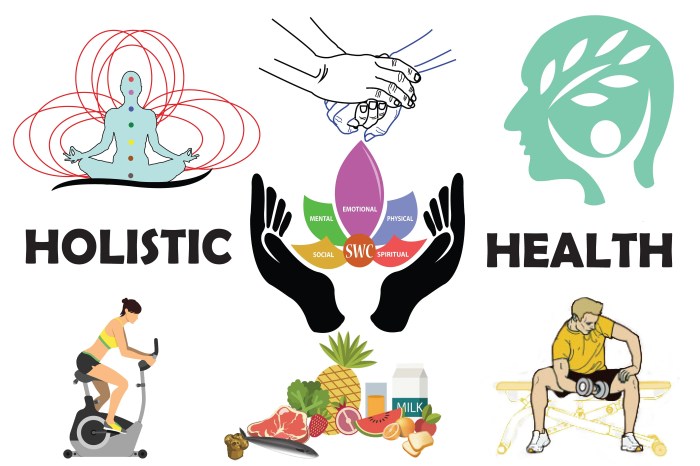
Regular physical activity plays a crucial role in promoting eco-conscious living by reducing our carbon footprint and supporting a healthier environment. By incorporating sustainable practices into our daily activities, we can make a positive impact on environmental wellness. Small, consistent eco-friendly choices can add up to significant improvements in the long run.
Benefits of Daily Physical Activity for Environmental Wellness
- Walking, biking, or using public transportation instead of driving helps reduce air pollution and greenhouse gas emissions.
- Engaging in outdoor activities like hiking or gardening fosters a deeper connection with nature and encourages environmental stewardship.
- Maintaining a regular exercise routine contributes to overall well-being and reduces the need for healthcare resources, which can have environmental benefits.
Tips for Incorporating Sustainable Practices into Everyday Activities
- Opt for reusable water bottles and containers to minimize single-use plastic waste.
- Choose eco-friendly products and materials for daily use, such as organic cotton clothing and biodegradable cleaning supplies.
- Reduce energy consumption by turning off lights and electronics when not in use, and using energy-efficient appliances.
Impact of Small, Consistent Eco-Friendly Choices on Environmental Wellness
- Conserving water by taking shorter showers or fixing leaks can help preserve this valuable resource for future generations.
- Supporting local farmers and businesses reduces transportation emissions and promotes sustainable agriculture practices.
- Participating in community clean-up events and recycling programs contributes to a cleaner, healthier environment for all.
Holistic Health Approach to Environmental Wellness
When it comes to environmental wellness, a holistic health approach takes into consideration the interconnectedness of physical, mental, and environmental well-being. It acknowledges that our health is not just about our individual selves, but also about the world around us.
Achieving Balance Through Holistic Living Practices
- Engage in eco-friendly activities such as gardening, hiking, or biking to connect with nature and promote physical well-being.
- Practice mindfulness and meditation to improve mental health and foster a deeper connection with the environment.
- Adopt sustainable habits like recycling, reducing waste, and using energy-efficient appliances to support environmental health.
- Eat a balanced diet of whole foods to nourish your body and reduce the environmental impact of food production.
Mindful Living and Eco-Friendly Mindset
Mindful living is the practice of being fully present and aware of our thoughts, feelings, and actions in the present moment. When combined with an eco-friendly mindset, it can lead to positive impacts on both personal well-being and the environment.
Mindfulness Practices for Personal Well-Being and the Environment
- Engaging in mindfulness meditation can reduce stress, anxiety, and improve mental clarity, leading to better overall well-being.
- Being mindful of our consumption habits can help us make more conscious choices that are beneficial for the environment, such as reducing waste and opting for sustainable products.
- Practicing gratitude and mindfulness can enhance our appreciation for the natural world, fostering a deeper connection to the environment.
Mindfulness Leading to Sustainable Lifestyle Choices
- By cultivating mindfulness, individuals can develop a greater sense of awareness and responsibility towards their impact on the planet, leading to more sustainable lifestyle choices.
- Mindfulness can help us slow down and make intentional decisions, reducing impulsive behaviors that may harm the environment.
- Being present in the moment allows us to fully experience and appreciate nature, motivating us to protect and preserve it for future generations.
Emotional Balance and Environmental Harmony
Emotional balance plays a crucial role in fostering environmental harmony as it allows individuals to approach eco-conscious decisions with a clear and rational mindset. When one is emotionally stable, they are more likely to make choices that prioritize sustainability and environmental well-being.
Strategies for Maintaining Emotional Equilibrium
- Practice mindfulness and meditation to stay present and reduce stress levels.
- Engage in regular physical activity to release endorphins and boost mood.
- Cultivate positive relationships and social support networks for emotional resilience.
- Spend time in nature to rejuvenate the mind and connect with the environment.
- Seek professional help or therapy if needed to address emotional challenges effectively.
Health Education and Environmental Advocacy
Health education plays a crucial role in promoting environmental advocacy by raising awareness about the interconnectedness of human health and the environment. Educating individuals and communities about environmental issues can lead to positive changes in behavior, policies, and practices that benefit both public health and the environment.
The Impact of Health Education on Environmental Advocacy
- Health education helps individuals understand how environmental factors can affect their health, such as air pollution, water contamination, and climate change.
- By increasing knowledge about the link between environmental degradation and health problems, people are more likely to take action to protect the environment.
- Empowering communities through education can lead to sustainable practices, conservation efforts, and advocacy for environmental policies that promote public health.
Raising Awareness for Environmental Health Benefits
- Increased awareness about environmental issues can lead to a healthier population by reducing exposure to harmful pollutants and fostering a cleaner, safer environment.
- Education on sustainable living practices, conservation of natural resources, and pollution prevention can help prevent diseases and promote overall well-being.
- Advocating for environmental health through education can create a ripple effect, inspiring others to make eco-conscious choices and support initiatives that protect the planet.
Self-Care Practices and Sustainable Living
Self-care practices play a crucial role in promoting sustainable living and environmental wellness by focusing on both personal well-being and the planet. By incorporating eco-friendly self-care routines into daily life, individuals can contribute to a healthier environment while nurturing their own physical, mental, and emotional health.
Examples of Eco-Friendly Self-Care Activities:
- Using natural and organic skincare products to reduce chemical exposure and support sustainable agriculture.
- Practicing mindfulness and meditation in green spaces to connect with nature and reduce stress levels.
- Engaging in outdoor activities like hiking, biking, or gardening to promote physical fitness and appreciation for the environment.
- Taking time for self-reflection and journaling to enhance emotional well-being and foster a deeper connection with oneself and the planet.
Tips for Incorporating Eco-Friendly Self-Care Routines:
- Choose reusable and sustainable self-care products such as bamboo toothbrushes, refillable containers, or biodegradable hygiene items.
- Support local and eco-conscious brands that prioritize ethical sourcing, cruelty-free practices, and eco-friendly packaging.
- Reduce water waste by taking shorter showers, using low-flow fixtures, and opting for natural ingredients in personal care products.
- Practice gratitude and mindfulness in daily self-care routines to cultivate a deep appreciation for the interconnectedness of personal well-being and environmental health.
Chronic Disease Management and Environmental Considerations
Environmental factors play a crucial role in managing chronic diseases and can significantly impact the overall health and well-being of individuals. It is important to consider how our surroundings and lifestyle choices can either exacerbate or alleviate chronic health conditions.
Impact of Environmental Factors on Chronic Health Conditions
Environmental factors such as air pollution, exposure to toxins, poor water quality, and lack of access to green spaces can contribute to the development and progression of chronic diseases. For example, air pollution has been linked to respiratory conditions like asthma, while contaminated water sources can lead to gastrointestinal issues.
- Exposure to toxins in the environment, such as heavy metals and pesticides, can increase the risk of cancer, neurological disorders, and other chronic illnesses.
- Lack of access to safe and clean environments can impact mental health, leading to stress, anxiety, and depression, which are often comorbid with chronic diseases.
- Poor urban planning and infrastructure can limit opportunities for physical activity, contributing to obesity and related conditions like diabetes and cardiovascular disease.
Strategies for Addressing Chronic Diseases while Supporting Environmental Sustainability
It is essential to adopt strategies that not only manage chronic diseases effectively but also promote environmental sustainability. By making conscious choices that benefit both personal health and the environment, individuals can contribute to a healthier and more sustainable future.
- Embracing a plant-based diet can not only improve chronic conditions like heart disease and diabetes but also reduce the environmental impact of food production.
- Engaging in regular physical activity, such as walking or biking, not only improves cardiovascular health but also reduces carbon emissions from transportation.
- Supporting policies and initiatives that prioritize clean air and water quality can benefit individuals with respiratory conditions and reduce the burden of chronic diseases linked to environmental pollutants.
Final Thoughts
In conclusion, embracing environmental wellness as a core component of holistic living paves the way for a harmonious existence where individuals thrive in synergy with their surroundings. By prioritizing sustainable practices and mindful choices, we embark on a journey towards a healthier self and a healthier planet.
FAQ Section
How does environmental wellness impact holistic living?
Environmental wellness plays a vital role in holistic living by emphasizing the interconnectedness between personal well-being and the health of the environment.
What are some ways to incorporate environmental wellness into daily routines?
Simple practices like reducing waste, conserving energy, and spending time in nature can all contribute to environmental wellness in holistic living.
Why is it important to consider the environment in overall well-being?
Considering the environment in overall well-being is crucial because a healthy planet directly impacts individual health and quality of life.