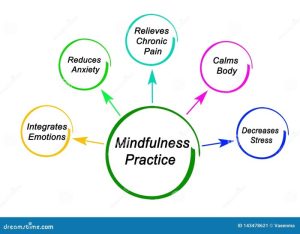
As Benefits of mindfulness retreats for deepening practice takes center stage, this opening passage beckons readers into a world crafted with good knowledge, ensuring a reading experience that is both absorbing and distinctly original.
Mindfulness retreats offer a unique opportunity to deepen one’s mindfulness practice, providing a transformative experience that enhances mental wellness, emotional balance, and holistic health.
Benefits of Mindfulness Retreats for Deepening Practice
Mindfulness retreats provide a unique opportunity to deepen mindfulness practices and enhance overall well-being.
Enhanced Mindfulness Practices
- Retreats offer a dedicated and immersive environment for practicing mindfulness techniques.
- Participants can focus solely on mindfulness without distractions, leading to a deeper understanding and integration of the practice.
- Guidance from experienced teachers and the support of a community can help individuals refine their mindfulness skills.
Impact on Mental Wellness
- Retreats allow individuals to step away from their daily routines and stressors, promoting mental clarity and relaxation.
- Practicing mindfulness in a retreat setting can reduce anxiety, depression, and overall psychological distress.
- Increased self-awareness and acceptance cultivated during retreats can positively impact mental health and resilience.
Emotional Balance
- Mindfulness retreats provide a safe space for individuals to explore and process their emotions without judgment.
- Participants often experience a greater sense of emotional regulation and stability after engaging in retreat activities.
- Learning to observe and accept emotions as they arise can lead to a more balanced and harmonious emotional state.
Promotion of Holistic Health
- Engaging in mindfulness practices during retreats can contribute to improved physical health through stress reduction and relaxation.
- Exploring mindfulness in a holistic context can lead to a deeper connection between mind, body, and spirit.
- Retreats often incorporate elements such as mindful eating, movement, and nature immersion to support overall well-being.
Balanced Diet
Maintaining a balanced diet is essential for deepening mindfulness practice during a retreat. A balanced diet provides the necessary nutrients to support physical health, mental clarity, and overall well-being.
Examples of a Balanced Diet for a Mindfulness Retreat
- Whole grains like quinoa, brown rice, and oats for sustained energy levels.
- Lean proteins such as tofu, beans, and fish for muscle repair and satiety.
- Plenty of fruits and vegetables rich in vitamins, minerals, and antioxidants.
- Healthy fats from sources like avocados, nuts, and olive oil for brain function.
- Hydration through water, herbal teas, and fresh juices to support detoxification.
Importance of a Balanced Diet in Deepening Mindfulness Practice
A balanced diet plays a crucial role in deepening mindfulness practice by providing the necessary nutrients for optimal physical and mental functioning. Nutrient-rich foods support cognitive function, emotional stability, and sustainable energy levels, all of which are essential for a successful retreat experience.
How a Balanced Diet Can Support Mental Wellness During the Retreat
- Stable blood sugar levels from balanced meals can help regulate mood and prevent energy crashes.
- Nutrient-dense foods support brain health and cognitive function, enhancing focus and clarity during mindfulness practices.
- A well-balanced diet can improve sleep quality, reduce stress, and enhance overall emotional well-being.
Tips on Incorporating Nutrient-Rich Foods into Daily Meals
- Plan your meals ahead of time to ensure a variety of nutrient-dense foods are included.
- Add colorful fruits and vegetables to every meal for a wide range of vitamins and minerals.
- Choose whole grains over refined grains for sustained energy and fiber content.
- Incorporate plant-based proteins like legumes, nuts, and seeds for a healthy alternative to animal products.
- Stay hydrated throughout the day with water and herbal teas to support digestion and overall well-being.
Mental Wellness
Mindfulness retreats play a crucial role in enhancing mental wellness by providing a space for individuals to focus on their thoughts, emotions, and overall well-being in a peaceful environment.
Connection between Mindfulness Retreats and Mental Wellness
Attending a mindfulness retreat allows individuals to disconnect from their daily stressors and distractions, enabling them to fully immerse themselves in mindfulness practices. This dedicated time for introspection and self-reflection can lead to improved mental clarity, emotional regulation, and overall psychological well-being.
How Mindfulness Practices Improve Mental Well-being
Mindfulness practices, such as meditation and deep breathing exercises, have been shown to reduce symptoms of anxiety, depression, and other mental health conditions. By cultivating present-moment awareness and acceptance, individuals can develop resilience against negative thoughts and emotions, leading to a more balanced and positive mental state.
Role of Mindfulness in Stress Management during the Retreat
During a mindfulness retreat, participants are guided through various mindfulness techniques to help them cope with stress and anxiety effectively. By learning how to stay present and non-judgmental towards their thoughts and feelings, individuals can experience a sense of calm and inner peace even in challenging situations.
Personal Experiences of Improved Mental Wellness after a Mindfulness Retreat
Many individuals who have attended mindfulness retreats report feeling a significant improvement in their mental wellness, including reduced stress levels, enhanced focus, and a greater sense of emotional well-being. By incorporating mindfulness practices into their daily lives post-retreat, they continue to experience the long-lasting benefits of improved mental health.
Physical Fitness
Physical fitness plays a crucial role in enhancing mindfulness practice, as the mind and body are interconnected. By incorporating physical exercise into mindfulness activities, individuals can deepen their practice and experience a holistic approach to well-being.
Relationship Between Physical Fitness and Mindfulness Practice
Physical fitness and mindfulness practice go hand in hand, as engaging in physical exercise can help improve focus, reduce stress, and increase overall well-being. When the body is healthy and strong, the mind is better able to engage in present moment awareness and meditation.
Complementing Mindfulness Activities with Physical Exercise
- Yoga: Combining yoga poses with mindful breathing can help improve flexibility, strength, and mental clarity.
- Walking Meditation: Walking mindfully can enhance awareness of body movements, breathing, and the surrounding environment.
- Tai Chi: This gentle martial art promotes balance, relaxation, and mindfulness through slow, flowing movements.
Benefits of Integrating Physical Fitness into Mindfulness Retreat
- Enhanced Mind-Body Connection: Physical exercise can deepen the connection between the mind and body, leading to a more profound mindfulness practice.
- Stress Reduction: Regular physical activity can help reduce stress levels, allowing for a more relaxed and focused state of mind during meditation.
- Improved Overall Well-being: Combining physical fitness with mindfulness can lead to improved physical health, mental wellness, and emotional balance.
Adequate Hydration
Staying hydrated is crucial during a mindfulness retreat to support overall well-being. Proper hydration not only replenishes the body’s fluids but also plays a key role in maintaining mental clarity and focus.
Importance of Hydration
Hydration is essential for the body to function optimally, especially during a mindfulness retreat where you may be engaging in various mindfulness practices. Dehydration can lead to fatigue, lack of concentration, and even mood swings, hindering your ability to fully immerse yourself in the retreat experience.
Maintaining Hydration Levels
- Carry a reusable water bottle with you at all times to remind yourself to drink water regularly.
- Set reminders on your phone or watch to take water breaks throughout the day.
- Include hydrating foods like fruits and vegetables in your meals to supplement your water intake.
- Avoid excessive consumption of caffeinated or sugary beverages that can dehydrate the body.
Impact on Mental Clarity and Focus
Proper hydration is directly linked to cognitive function, affecting your ability to concentrate, make decisions, and process information efficiently. By staying hydrated, you can enhance your mental clarity and focus during mindfulness practices, allowing you to deepen your experience and insights.
Regular Exercise
Regular exercise plays a crucial role in enhancing mindfulness practice by promoting physical well-being and mental clarity. Engaging in physical activity can deepen the benefits of a mindfulness retreat by helping participants connect with their bodies and stay present in the moment.
Mindful Exercises
- Walking Meditation: Participants can practice mindful walking by focusing on each step, the sensation of their feet touching the ground, and the rhythm of their breath.
- Yoga: Yoga combines movement with breath awareness, allowing participants to cultivate mindfulness while improving flexibility and strength.
- Body Scan Meditation: This exercise involves bringing awareness to different parts of the body, noticing any sensations without judgment, and promoting relaxation and body-mind connection.
Emotional Balance
Regular exercise is linked to emotional balance as physical activity releases endorphins, which are known as “feel-good” hormones. By incorporating regular exercise into their routine, participants can manage stress, reduce anxiety, and improve their overall mood. This emotional balance complements the mental wellness cultivated during mindfulness retreats, creating a holistic approach to well-being.
Healthy Lifestyle
Maintaining a healthy lifestyle is crucial when it comes to deepening mindfulness practice. By focusing on overall well-being, individuals can enhance the benefits derived from mindfulness retreats and sustain a positive impact on their mental, emotional, and physical health.
Benefits of a Healthy Lifestyle
- Improved Energy Levels: Adopting a healthy lifestyle through nutritious diet and regular exercise can boost energy levels, allowing individuals to remain focused during mindfulness practice.
- Enhanced Mental Clarity: Eating well, staying hydrated, and exercising regularly can improve cognitive function, leading to better concentration and mindfulness.
- Emotional Stability: Engaging in healthy habits promotes emotional well-being, reducing stress and anxiety levels, which are essential for a deeper mindfulness experience.
Stress Management
Mindfulness retreats play a crucial role in stress management by providing individuals with the tools and techniques to navigate challenging situations with more ease and resilience. Through mindfulness practices such as meditation, deep breathing, and self-reflection, participants can cultivate a sense of inner calm and reduce the impact of stress on their overall well-being.
Effective Strategies for Managing Stress during the Retreat
- Start each day with a guided meditation session to set a positive tone for the day ahead.
- Engage in mindful walking or yoga to connect with the present moment and release tension in the body.
- Practice deep breathing exercises whenever you feel overwhelmed or anxious.
- Take breaks throughout the day to rest and recharge, allowing yourself time to relax and rejuvenate.
Personal Anecdotes of Stress Reduction through Mindfulness Practices
“During a mindfulness retreat, I found that by staying present and focusing on my breath, I was able to let go of worries and stress that had been weighing me down. This simple practice helped me feel more grounded and at peace.”
Tips on Integrating Mindfulness Techniques into Daily Stress Management
- Set aside a few minutes each day for meditation or deep breathing exercises to center yourself.
- Practice gratitude by reflecting on things you are thankful for, even during challenging times.
- Avoid multitasking and focus on one task at a time to reduce feelings of overwhelm.
- Take regular breaks throughout the day to reset and refocus your energy.
Preventive Care
Mindfulness retreats play a crucial role in preventive care by focusing on holistic well-being and equipping individuals with tools to maintain good health in the long run. The practices learned during these retreats can contribute significantly to preventive health measures and support overall well-being.
Benefits of Mindfulness Practices
- Reduced stress levels through mindfulness meditation, which can lower the risk of various stress-related health issues such as high blood pressure and heart disease.
- Enhanced immune function by promoting relaxation and reducing inflammation in the body.
- Improved sleep quality, leading to better overall health and decreased risk of chronic conditions.
Examples of Preventive Care Practices
- Practicing mindfulness meditation for a few minutes each day to reduce stress and promote mental well-being.
- Incorporating mindful eating habits by savoring each bite and paying attention to hunger cues to maintain a healthy weight.
- Engaging in regular physical exercise, such as yoga or walking, to improve cardiovascular health and overall fitness.
Proper Nutrition
Eating a well-balanced diet is crucial for deepening mindfulness practice as it provides the necessary nutrients to support physical and mental well-being. Proper nutrition can enhance the overall retreat experience by promoting clarity of mind, sustained energy levels, and overall health.
Mindful Eating for Retreat Experience
Practicing mindful eating during the retreat can help participants fully engage with their meals, savoring each bite and being present in the moment. By paying attention to food choices, flavors, and sensations, individuals can cultivate a deeper connection with their bodies and the nourishment they receive.
- Avoid distractions while eating, such as scrolling through your phone or watching TV, to focus on the act of eating.
- Chew slowly and savor each bite to fully experience the taste and texture of the food.
- Express gratitude for the meal and the effort put into preparing it, fostering a sense of appreciation.
Balanced Diet Tips for Optimal Nutrition
Maintaining a balanced diet during the retreat involves incorporating a variety of nutrient-rich foods that support overall well-being. Aim to include a mix of fruits, vegetables, whole grains, lean proteins, and healthy fats in your meals to ensure you are receiving essential vitamins and minerals.
Remember to stay hydrated by drinking plenty of water throughout the day to support digestion and overall health.
| Examples of Nutrient-Rich Foods: | Benefits for Mindfulness Practice: |
|---|---|
| Leafy greens (spinach, kale) | Rich in antioxidants and vitamins that support cognitive function. |
| Berries (blueberries, strawberries) | Contain compounds that may improve memory and focus. |
| Fatty fish (salmon, mackerel) | Source of omega-3 fatty acids that support brain health and mood regulation. |
| Nuts and seeds (almonds, chia seeds) | Provide healthy fats and protein for sustained energy levels. |
Quality Sleep
Quality sleep is crucial in the context of mindfulness retreats as it plays a significant role in deepening one’s mindfulness practice. Adequate rest allows the body and mind to rejuvenate, leading to improved focus, clarity, and emotional well-being during the retreat.
Tips for Improving Sleep Quality during the Retreat
- Establish a consistent sleep schedule to regulate your body’s internal clock.
- Create a relaxing bedtime routine to signal to your body that it’s time to wind down.
- Avoid electronic devices before bedtime as the blue light can disrupt sleep patterns.
- Ensure your sleeping environment is comfortable, quiet, and dark to promote restful sleep.
- Practice mindfulness techniques such as deep breathing or meditation to calm the mind before sleep.
Relationship between Quality Sleep and Emotional Well-being
Quality sleep is closely linked to emotional well-being as it influences mood regulation and stress management. When well-rested, individuals are better equipped to handle emotions and navigate challenging situations with a clear and balanced mindset. Lack of sleep, on the other hand, can lead to irritability, anxiety, and overall emotional instability, hindering the depth of one’s mindfulness practice.
Cardio Health
Regular cardiovascular exercise plays a crucial role in maintaining overall health and well-being, especially for individuals practicing mindfulness. By incorporating cardio workouts into their routine, mindfulness practitioners can experience numerous benefits that support their mental clarity and focus.
Benefits of Cardiovascular Health for Mindfulness Practitioners
- Improves blood circulation, delivering oxygen and nutrients to the brain for enhanced cognitive function.
- Reduces stress and anxiety levels by releasing endorphins, the body’s natural mood-boosting chemicals.
- Enhances overall physical stamina and endurance, supporting longer meditation sessions and mindfulness practices.
Cardio Exercises Suitable for Mindfulness Retreats
- Brisk walking or hiking in nature, combining the benefits of physical activity with the calming effects of being outdoors.
- Yoga flow sequences that incorporate dynamic movements and breathwork to elevate heart rate while promoting mindfulness.
- Swimming or aqua aerobics for a low-impact yet effective cardio workout that is gentle on the joints.
Connection between Cardio Health and Mental Clarity
Regular cardiovascular exercise not only strengthens the heart and improves physical fitness but also has a direct impact on mental clarity and cognitive function. When the heart pumps more efficiently, it delivers more oxygen and nutrients to the brain, enhancing focus, concentration, and overall mental well-being.
By prioritizing cardio health, mindfulness practitioners can optimize their practice and experience a deeper sense of presence and awareness.
Immune Boost
Mindfulness practices have been shown to have a positive impact on the immune system, helping to boost its function and overall health. This can be particularly beneficial during a mindfulness retreat, where individuals have the opportunity to focus on their well-being and practice self-care.
Impact of Mindfulness Retreat on Immune Health
Attending a mindfulness retreat can provide a significant boost to immune health by reducing stress levels, promoting relaxation, and improving overall well-being. The practice of mindfulness can help regulate the body’s stress response, which in turn can enhance the function of the immune system.
- Reduced Stress Levels: Mindfulness techniques such as deep breathing, meditation, and yoga can help lower stress hormones in the body, which can have a positive impact on immune function.
- Promotes Relaxation: By engaging in mindfulness practices during a retreat, individuals can experience a sense of calm and relaxation that can benefit the immune system.
- Enhanced Well-being: Taking time for self-care and focusing on mental and emotional health can contribute to overall well-being, which can support immune function.
Maintaining a Strong Immune System During the Retreat
During a mindfulness retreat, it is important to prioritize practices that support immune health to ensure a fulfilling and rejuvenating experience. Here are some tips for maintaining a strong immune system during the retreat:
- Stay Hydrated: Drinking plenty of water throughout the day can help support immune function and overall well-being.
- Eat a Balanced Diet: Consuming nutritious meals that are rich in vitamins and minerals can provide essential nutrients to support immune health.
- Engage in Gentle Exercise: Participating in light physical activity such as walking or gentle yoga can help boost circulation and support immune function.
Relationship Between Mindfulness and Immune Function
The practice of mindfulness has been linked to improved immune function through its ability to reduce stress, promote relaxation, and enhance overall well-being. By incorporating mindfulness practices into daily life, individuals can support their immune system and maintain optimal health.
Positive Mindset: Benefits Of Mindfulness Retreats For Deepening Practice
The importance of cultivating a positive mindset during a mindfulness retreat cannot be overstated. A positive outlook can enhance the overall experience, deepen the practice, and contribute to mental wellness.
Benefits of Mindfulness Practices for Positive Outlook
- Mindfulness practices help individuals become more aware of their thoughts and emotions, allowing them to cultivate a positive mindset by focusing on the present moment.
- Through mindfulness, individuals can develop a sense of gratitude, compassion, and acceptance, which are essential components of a positive outlook.
- By practicing mindfulness, individuals can learn to let go of negative thought patterns and reframe their perspective towards a more optimistic view of life.
Personal Experiences of Developing a Positive Mindset
- During a mindfulness retreat, I experienced a shift in my mindset as I learned to observe my thoughts without judgment, leading to a more positive and compassionate outlook towards myself and others.
- Practicing mindfulness meditation regularly helped me become more resilient in the face of challenges and setbacks, fostering a positive attitude even in difficult times.
Techniques for Fostering a Positive Mindset during the Retreat
- Start each day with a gratitude practice, acknowledging the positive aspects of your life and surroundings.
- Engage in loving-kindness meditation to cultivate feelings of compassion and goodwill towards oneself and others.
- Acknowledge and challenge negative thoughts through mindfulness, replacing them with affirmations or positive reframing.
Clean Eating
Clean eating is a fundamental aspect of maintaining a healthy lifestyle, especially during mindfulness retreats. By focusing on consuming whole, unprocessed foods, participants can enhance their overall well-being and deepen their mindfulness practice.
Benefits of Clean Eating in Mindfulness Retreats
- Clean eating provides the body with essential nutrients, supporting physical health and vitality during the retreat.
- It helps in regulating blood sugar levels, reducing inflammation, and promoting better digestion, which are crucial for maintaining focus and clarity during mindfulness practices.
- Eating clean can also boost energy levels, allowing participants to actively engage in meditation, yoga, and other mindful activities throughout the retreat.
Tips for Incorporating Clean Eating Habits
- Choose whole foods such as fruits, vegetables, nuts, seeds, whole grains, and lean proteins over processed options.
- Avoid foods high in added sugars, unhealthy fats, and artificial ingredients to support your body and mind during the retreat.
- Stay hydrated by drinking plenty of water and herbal teas to flush out toxins and stay energized.
Clean Eating Recipes for Mindfulness Retreats
- Quinoa Buddha Bowl: A nourishing bowl filled with quinoa, roasted vegetables, avocado, and a tahini dressing.
- Green Smoothie: Blend spinach, kale, banana, and almond milk for a refreshing and nutrient-dense drink.
- Veggie Stir-Fry: Sauté mixed vegetables with tofu or tempeh in a light soy sauce for a quick and healthy meal option.
Daily Activity
Engaging in daily activities plays a crucial role in deepening mindfulness practice by allowing individuals to stay present and focused throughout the day. These activities offer opportunities to practice mindfulness in various aspects of life, not just during dedicated meditation sessions.
Mindful Activities for Daily Practice
Here are some examples of mindful activities that participants can incorporate into their daily routine during a mindfulness retreat:
- Walking Meditation: Taking mindful steps while being fully present in the moment.
- Yoga: Practicing yoga poses mindfully, focusing on breath and body awareness.
- Mindful Eating: Paying attention to the taste, smell, and texture of food during meals.
- Journaling: Reflecting on thoughts and emotions in a non-judgmental way.
- Breathwork: Using conscious breathing techniques to calm the mind and body.
Emotional Balance and Daily Activity
Regular engagement in mindful activities throughout the day can significantly contribute to emotional balance by helping individuals manage stress, anxiety, and negative emotions effectively. By staying present and aware in daily tasks, participants can cultivate a sense of inner peace and emotional resilience.
Holistic Health
In the context of mindfulness retreats, holistic health refers to the interconnectedness of physical, mental, and emotional well-being. It involves considering the whole person and addressing all aspects of health to achieve overall wellness.
Benefits of Holistic Health in Mindfulness Retreats
- Mindfulness practices such as meditation, yoga, and mindful eating can help individuals cultivate a deeper awareness of their physical, mental, and emotional states.
- By focusing on the present moment and being fully engaged in activities, participants can reduce stress, improve concentration, and enhance their overall sense of well-being.
- Embracing a holistic approach to health during the retreat involves incorporating mindfulness into all aspects of daily life, including eating, sleeping, exercising, and managing stress.
Tips for Embracing Holistic Health during the Retreat
- Practice mindfulness meditation daily to cultivate awareness of your thoughts, emotions, and bodily sensations.
- Engage in mindful movement practices such as yoga or tai chi to promote physical flexibility and strength while calming the mind.
- Eat a balanced diet rich in whole foods to nourish your body and support optimal health.
- Get enough restful sleep each night to allow your body and mind to recharge and rejuvenate.
- Stay hydrated throughout the day by drinking plenty of water to support your body’s functions and maintain energy levels.
Mindful Living
Living mindfully involves being fully present in the moment, cultivating awareness, and approaching life with intention and compassion. Mindfulness retreats serve as a powerful environment for individuals to deepen their practice of mindful living.
Principles of Mindful Living at Retreats
- Practicing mindfulness in daily activities such as walking, eating, and meditating.
- Cultivating a non-judgmental and accepting attitude towards oneself and others.
- Fostering gratitude and appreciation for the present moment.
- Developing self-awareness and emotional regulation through mindfulness practices.
Encouraging Mindful Living Practices
- Guided meditations and mindfulness sessions to help participants stay present and focused.
- Silent retreat periods to deepen introspection and connection with oneself.
- Group discussions and sharing circles to inspire mindfulness in relationships and communication.
- Nature walks and mindful movement practices to connect with the environment and the body.
Personal Reflections on Post-Retreat Mindful Living
- Integrating short mindfulness practices into daily routines, such as mindful breathing or body scans.
- Cultivating a habit of pausing and reflecting before reacting to challenging situations.
- Setting intentions for the day and practicing gratitude before bedtime.
- Engaging in mindful eating by savoring each bite and being aware of hunger and fullness cues.
Emotional Balance
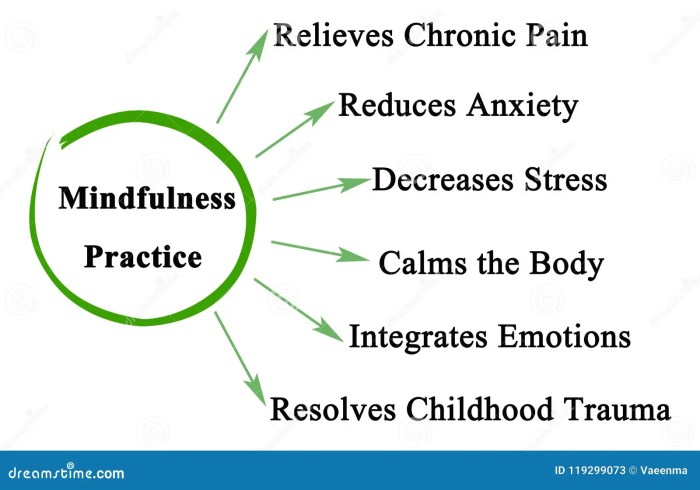
Emotional balance plays a crucial role in the context of mindfulness retreats as it allows individuals to cultivate a sense of inner peace, resilience, and self-awareness. By achieving emotional balance, participants can better navigate their thoughts and feelings, leading to a more profound mindfulness practice.
The Significance of Emotional Balance
Emotional balance is essential during mindfulness retreats as it enables individuals to handle challenging emotions and situations with grace and equanimity. By fostering emotional well-being, participants can deepen their practice and experience greater clarity and focus.
How Mindfulness Practices Promote Emotional Well-being
Mindfulness practices, such as meditation and mindful breathing, help individuals become more aware of their emotions without judgment. By observing their feelings with compassion and acceptance, participants can cultivate a sense of emotional balance and resilience.
Tips on Achieving Emotional Balance Through Mindfulness Techniques
- Practice deep breathing exercises to calm the mind and body.
- Cultivate self-compassion and kindness towards yourself and others.
- Engage in mindful movement practices like yoga to release tension and stress.
- Take time to reflect on your emotions without reacting impulsively.
- Develop a daily mindfulness routine to enhance emotional awareness and balance.
The Impact of Emotional Balance on Overall Health and Mindfulness Practice
Emotional balance not only improves mental well-being but also enhances physical health by reducing stress and promoting relaxation. When individuals achieve emotional equilibrium, they are better equipped to engage in mindfulness practices effectively, leading to a more profound and transformative experience during retreats.
Health Education
Health education plays a vital role in mindfulness retreats by providing participants with the knowledge and tools to enhance their overall well-being. By learning about health and wellness, individuals can deepen their understanding of how mindfulness practices can positively impact their physical, mental, and emotional health.
Topics Covered in Health Education at Mindfulness Retreats
- Importance of Balanced Diet: Educating participants on the significance of maintaining a balanced diet to support their mindfulness practice and overall health.
- Mental Wellness Techniques: Teaching strategies to promote mental well-being, such as meditation and mindfulness exercises.
- Physical Fitness and Regular Exercise: Highlighting the benefits of physical activity and incorporating regular exercise into daily routines for improved health.
- Stress Management Techniques: Providing tools and techniques to effectively manage stress and promote relaxation.
- Proper Nutrition and Healthy Eating Habits: Offering guidance on making healthy food choices and establishing sustainable eating habits.
- Quality Sleep Practices: Educating participants on the importance of quality sleep for overall health and well-being.
- Emotional Balance and Mindful Living: Exploring ways to cultivate emotional balance and live mindfully in daily life.
Self-Care
Self-care plays a crucial role during a mindfulness retreat as it allows participants to nurture their well-being and enhance their overall experience. By prioritizing self-care practices, individuals can deepen their mindfulness practice and fully immerse themselves in the transformative journey of the retreat.
Importance of Self-Care during a Mindfulness Retreat
Self-care is essential during a mindfulness retreat as it helps individuals recharge, rejuvenate, and connect with themselves on a deeper level. By taking time to care for their physical, mental, and emotional needs, participants can cultivate a sense of inner peace and balance, which is fundamental to the practice of mindfulness.
Incorporating Self-Care Activities into the Retreat Schedule
- Start each day with a mindfulness meditation session to set the tone for self-care.
- Schedule breaks for gentle yoga or stretching exercises to release tension and promote relaxation.
- Encourage participants to spend time in nature, whether through mindful walks or outdoor activities.
- Offer workshops or sessions on self-care practices such as journaling, breathwork, or self-reflection.
Self-Care Rituals to Enhance the Retreat Experience
- Creating a gratitude journal to reflect on positive moments and experiences throughout the retreat.
- Practicing self-compassion and kindness towards oneself, especially during moments of challenge or discomfort.
- Engaging in mindful eating by savoring each bite and paying attention to the nourishment provided by food.
- Taking time for self-reflection through journaling, meditation, or quiet contemplation to deepen self-awareness.
Chronic Disease
Mindfulness practices have shown significant benefits in the management of chronic diseases. By incorporating mindfulness techniques into daily routines, individuals with chronic conditions can experience improvements in both their physical and mental well-being.
Impact of Mindfulness on Chronic Disease Management, Benefits of mindfulness retreats for deepening practice
- Mindfulness practices, such as meditation and deep breathing exercises, have been found to reduce stress levels, which can help in managing symptoms of chronic diseases like diabetes, heart disease, and autoimmune disorders.
- Studies have shown that mindfulness can lower inflammation in the body, which is a common factor in many chronic conditions, leading to improved overall health and reduced disease progression.
- By enhancing self-awareness and promoting a positive mindset, mindfulness can empower individuals to better cope with the challenges of living with a chronic illness and improve their quality of life.
Success Stories of Managing Chronic Diseases through Mindfulness
- A patient with fibromyalgia reported a significant reduction in pain and fatigue after attending a mindfulness retreat and practicing mindfulness daily.
- Individuals with hypertension have seen improvements in their blood pressure readings after incorporating mindfulness techniques into their daily routine.
- People living with chronic pain conditions, such as arthritis or migraines, have found relief and better pain management through mindfulness practices.
Role of Mindfulness in Improving Quality of Life for Those with Chronic Illnesses
- Mindfulness can help individuals with chronic diseases to develop a greater sense of acceptance and resilience, allowing them to navigate their health challenges with more ease and grace.
- By promoting relaxation and reducing anxiety, mindfulness practices can enhance sleep quality, which is crucial for overall health and well-being, especially for those with chronic conditions.
- Engaging in mindfulness retreats can provide individuals with the tools and support needed to make lasting lifestyle changes that can positively impact their chronic disease management and long-term health outcomes.
Last Point
In conclusion, mindfulness retreats serve as a powerful catalyst for personal growth and well-being, enriching lives through a holistic approach that nourishes the mind, body, and soul.
Common Queries
How do mindfulness retreats enhance mindfulness practices?
Mindfulness retreats provide a dedicated space and time for individuals to deepen their mindfulness practice without distractions, allowing for a more profound experience.
What impact do mindfulness retreats have on mental wellness?
Mindfulness retreats can significantly improve mental wellness by promoting relaxation, reducing stress, and enhancing overall emotional well-being.
How can mindfulness retreats contribute to emotional balance?
By incorporating mindfulness practices that focus on emotional awareness and regulation, retreat participants can cultivate a sense of balance and harmony within themselves.