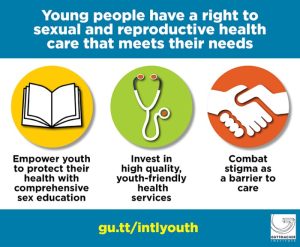
Importance of sexual health education for teenagers: Empowering the Youth sets the stage for understanding the crucial role of sexual health education in shaping the well-being of adolescents, navigating relationships, and making informed decisions. Let’s delve into the importance of this vital aspect of teenage development.
The significance of sexual health education in preventing STIs, promoting healthy relationships, and empowering teenagers will be explored, along with examples of successful programs tailored for their needs.
Importance of sexual health education for teenagers
Sexual health education plays a crucial role in the well-being of teenagers by providing essential knowledge and skills to navigate relationships and make informed decisions about their bodies.
Preventing STIs
Sexual health education is vital in preventing sexually transmitted infections (STIs) by teaching teenagers about safe sex practices, contraception, and the importance of regular testing.
Promoting Healthy Relationships, Importance of sexual health education for teenagers
Sexual health education helps teenagers understand the importance of consent, communication, and respect in relationships, leading to healthier and more fulfilling connections with others.
Empowering Informed Decisions
By equipping teenagers with accurate information about their reproductive health, sexual health education empowers them to make informed decisions about their bodies, relationships, and overall well-being.
Successful Programs
- The “Be Real. Be Ready.” program provides comprehensive sexual health education to teenagers, focusing on abstinence, contraception, and STI prevention.
- The “Teen Talk” initiative uses peer educators to deliver engaging workshops on topics such as consent, healthy relationships, and reproductive health.
- The “It’s Your Game: Keep it Real” curriculum incorporates interactive activities and discussions to educate teenagers about sexual health, decision-making, and communication skills.
Balanced Diet
Eating a balanced diet is crucial for maintaining overall health and well-being. It involves consuming a variety of foods that provide essential nutrients to support the body’s functions. For teenagers, who are going through a period of growth and development, a balanced diet plays a significant role in ensuring they have the energy and nutrients needed to thrive.
Relationship Between Balanced Diet and Overall Health
A balanced diet is essential for promoting good health as it provides the necessary nutrients like vitamins, minerals, proteins, carbohydrates, and fats that the body requires to function properly. It helps in maintaining a healthy weight, reducing the risk of chronic diseases, and supporting the immune system.
Importance of Nutrient-Rich Foods for Teenagers
Teenagers have increased nutrient needs due to their rapid growth and development. Consuming a variety of nutrient-rich foods such as fruits, vegetables, whole grains, lean proteins, and dairy products is essential for meeting these needs. These foods provide essential vitamins and minerals that support bone health, brain function, and overall well-being.
Impact of Balanced Diet on Physical and Mental Well-being
A balanced diet not only supports physical health but also plays a crucial role in mental well-being. Nutrient-rich foods can help regulate mood, improve concentration, and enhance cognitive function. In contrast, a diet high in processed foods and sugar can lead to mood swings, fatigue, and poor mental health.
Nutrient-Rich Foods for Teenagers
Fruits
Berries, oranges, apples
Vegetables
Spinach, broccoli, carrots
Whole grains
Quinoa, brown rice, whole wheat bread
Lean proteins
Chicken, fish, tofu
Dairy products
Greek yogurt, cheese, milk
Mental Wellness
Maintaining mental wellness is crucial for the overall health and well-being of teenagers. It impacts their ability to cope with stress, make decisions, form relationships, and handle challenges effectively.
Importance of Stress Management Techniques
Stress management techniques play a vital role in maintaining mental wellness among teenagers. By learning how to manage stress effectively, teenagers can reduce the negative impact of stress on their mental health and overall well-being.
- Practice deep breathing exercises to calm the mind and body.
- Engage in regular physical activity to release endorphins and reduce stress levels.
- Develop healthy coping mechanisms such as journaling, talking to a trusted individual, or seeking professional help when needed.
Promoting Positive Mindset and Emotional Balance
Promoting a positive mindset and emotional balance is essential for teenagers to navigate the challenges they may face during adolescence. By fostering a positive outlook and emotional resilience, teenagers can better cope with setbacks and maintain their mental well-being.
- Encourage positive self-talk and affirmations to boost self-esteem.
- Practice gratitude by keeping a gratitude journal and focusing on the positive aspects of life.
- Engage in activities that bring joy and relaxation, such as hobbies, spending time with loved ones, or pursuing creative outlets.
Activities to Improve Mental Wellness
There are various activities that teenagers can engage in to improve their mental wellness and overall well-being. These activities can help reduce stress, boost mood, and promote a sense of fulfillment.
- Mindfulness meditation to increase self-awareness and reduce anxiety.
- Yoga or tai chi to promote relaxation and enhance flexibility and balance.
- Volunteering in the community to foster a sense of purpose and connection with others.
Physical Fitness
Regular exercise plays a crucial role in maintaining teenagers’ physical health and overall well-being. It not only helps in improving strength, flexibility, and endurance but also has numerous benefits for preventing chronic diseases.
Benefits of Regular Exercise
- Enhances cardiovascular health
- Boosts immune system
- Improves mood and mental health
- Helps in maintaining a healthy weight
Relationship with Preventing Chronic Diseases
Regular physical activity in teenagers can significantly reduce the risk of developing chronic conditions like obesity, type 2 diabetes, and heart disease. By engaging in exercise, they can improve their overall health and lower the chances of these health issues in the future.
Examples of Age-Appropriate Exercises
- Cardiovascular exercises: running, swimming, cycling
- Strength training: bodyweight exercises, resistance bands
- Flexibility exercises: yoga, stretching routines
Tips to Encourage Teenagers to Stay Physically Active
- Lead by example and be active together as a family
- Support their interests and encourage participation in sports or activities they enjoy
- Set realistic goals and celebrate their achievements
- Limit screen time and promote outdoor activities
Adequate Hydration: Importance Of Sexual Health Education For Teenagers
Proper hydration is crucial for teenagers’ overall health as it plays a vital role in various bodily functions. Water is essential for regulating body temperature, aiding digestion, transporting nutrients, and removing waste from the body.
Importance of Adequate Hydration
- Dehydration can have negative effects on physical performance and cognitive function in teenagers. It can lead to fatigue, dizziness, headaches, and difficulty concentrating.
- Proper hydration is especially important for teenagers who are active in sports or physical activities as they lose more fluids through sweat.
Tips for Staying Hydrated
- Carry a reusable water bottle with you throughout the day to remind yourself to drink water regularly.
- Drink water before, during, and after exercise or physical activities to replenish lost fluids.
- Include hydrating foods in your diet such as fruits and vegetables with high water content like watermelon, cucumber, and oranges.
- Avoid sugary drinks and excessive caffeine as they can contribute to dehydration.
Recommended Daily Water Intake for Teenagers
It is generally recommended that teenage boys consume about 3.3 liters (about 14 cups) of water per day, while teenage girls should aim for about 2.3 liters (about 10 cups) of water daily. However, individual water needs can vary based on activity level, climate, and overall health.
Preventive Care
Preventive care plays a crucial role in maintaining the overall health and well-being of teenagers. By focusing on early detection and prevention, teenagers can avoid potential health issues and lead healthier lives.
Significance of Regular Check-ups and Screenings
Regular check-ups and screenings are essential for early detection of any health concerns that may arise. These appointments can help identify issues before they escalate, allowing for timely intervention and treatment.
- Annual physical exams can help monitor growth and development, as well as detect any underlying health conditions.
- Screenings for conditions such as high blood pressure, cholesterol levels, and diabetes can help teenagers manage their health proactively.
- Regular dental check-ups are important for maintaining oral health and preventing cavities, gum disease, and other dental issues.
Examples of Preventive Care Measures
There are several preventive care measures that teenagers should prioritize to maintain their health and well-being.
- Eating a balanced diet rich in fruits, vegetables, whole grains, and lean proteins.
- Engaging in regular physical activity to stay active and maintain a healthy weight.
- Getting an adequate amount of sleep each night to support overall health and well-being.
- Avoiding risky behaviors such as smoking, drug use, and unprotected sex to prevent potential health issues.
Tips for Parents to Support Teenagers in Accessing Preventive Care Services
Parents play a crucial role in supporting their teenagers’ health and well-being, including accessing preventive care services.
- Encourage open communication with your teenager about the importance of preventive care and regular check-ups.
- Schedule and accompany your teenager to medical and dental appointments to ensure they receive necessary care.
- Lead by example by prioritizing your own preventive care and healthy habits, serving as a positive role model for your teenager.
- Stay informed about recommended preventive care guidelines and screenings for teenagers, and advocate for your teenager’s health needs.
Healthy Lifestyle
Adopting a healthy lifestyle is crucial for teenagers as it directly impacts their overall well-being and quality of life. By making positive lifestyle choices, teenagers can improve their physical health, mental well-being, and emotional stability.
Components of a Healthy Lifestyle
- Eating a balanced diet rich in fruits, vegetables, whole grains, and lean proteins.
- Engaging in regular physical activity to strengthen muscles, improve cardiovascular health, and boost mental clarity.
- Prioritizing mental wellness through stress management techniques, mindfulness practices, and seeking professional help when needed.
- Getting adequate sleep to support growth, cognitive function, and emotional regulation.
- Limiting screen time and technology use to promote social interactions, creativity, and better sleep patterns.
Impact of Lifestyle Choices
Teenagers’ lifestyle choices have a significant impact on their physical health, emotional well-being, and academic performance. By adopting healthy habits, teenagers can reduce the risk of chronic diseases, improve their mood and self-esteem, and enhance their cognitive abilities.
Tips for Adopting a Healthy Lifestyle
- Start small by making gradual changes to your daily routine, such as adding more fruits and vegetables to your meals or taking short walks during breaks.
- Stay hydrated by drinking plenty of water throughout the day and limiting sugary beverages.
- Find physical activities that you enjoy, whether it’s dancing, cycling, or playing a sport, to make exercise fun and engaging.
- Practice mindfulness and relaxation techniques, such as deep breathing exercises or yoga, to reduce stress and improve your mental well-being.
- Set realistic goals and track your progress to stay motivated and accountable for maintaining a healthy lifestyle.
Quality Sleep
Quality sleep plays a crucial role in the overall well-being of teenagers, impacting both their physical health and mental wellness. Adequate and restful sleep is essential for proper growth, development, and cognitive function.
Importance of Quality Sleep
Quality sleep is vital for teenagers as it directly affects their physical and mental health. Lack of sleep can lead to various health issues like weakened immune system, increased risk of obesity, and mental health disorders.
Effects of Sleep Deprivation
- Poor academic performance: Sleep deprivation can impair cognitive function, memory, and concentration, negatively impacting teenagers’ academic achievements.
- Emotional instability: Insufficient sleep can lead to mood swings, irritability, and increased stress levels, affecting overall well-being.
- Physical health problems: Chronic sleep deprivation is linked to an increased risk of heart disease, diabetes, and other health issues in teenagers.
Tips to Improve Sleep Quality
- Establish a bedtime routine: Create a relaxing pre-sleep routine to signal your body that it’s time to wind down.
- Avoid screens before bed: Limit exposure to electronic devices before bedtime as the blue light can disrupt the production of sleep-inducing hormones.
- Create a comfortable sleep environment: Ensure your bedroom is dark, quiet, and at a comfortable temperature to promote restful sleep.
- Limit caffeine and sugar intake: Avoid consuming stimulants like caffeine and sugary foods close to bedtime as they can interfere with your sleep.
Recommended Amount of Sleep for Teenagers
On average, teenagers need about 8-10 hours of sleep per night for optimal health and well-being. It’s important to prioritize sleep and establish healthy sleep habits to support overall physical and mental health.
Cardio Health
Maintaining cardiovascular health is crucial for teenagers as it helps in reducing the risk of heart diseases and promoting overall well-being. Engaging in cardio exercises plays a significant role in keeping the heart healthy and strong.
Benefits of Cardio Exercises
- Improves heart health by strengthening the heart muscle and improving blood circulation.
- Helps in managing weight and reducing the risk of obesity.
- Boosts mood and reduces stress levels through the release of endorphins.
- Increases lung capacity and overall endurance.
Examples of Cardio Exercises
- Running or jogging
- Cycling
- Swimming
- Dancing
- Aerobics
Tips for Improving Cardiovascular Health
- Start with moderate-intensity exercises and gradually increase the duration and intensity.
- Include a variety of cardio exercises to keep it fun and engaging.
- Stay hydrated before, during, and after exercise sessions.
- Aim for at least 150 minutes of moderate-intensity cardio exercise per week.
- Listen to your body and rest when needed to avoid overexertion.
Immune Boost
Maintaining a strong immune system is crucial for teenagers as it helps protect them from various illnesses and infections. A robust immune system can also improve overall health and well-being.
Role of Nutrition and Lifestyle Factors
Nutrition plays a vital role in boosting teenagers’ immune health. Consuming a balanced diet rich in fruits, vegetables, lean proteins, and whole grains provides essential vitamins and minerals that support the immune system. Additionally, staying hydrated, engaging in regular physical activity, getting enough sleep, and managing stress levels are important lifestyle factors that can enhance immune function.
- Eating immune-boosting foods such as citrus fruits, berries, garlic, ginger, and yogurt can help strengthen the immune system.
- Regular exercise can improve circulation and promote the production of immune-boosting cells.
- Getting an adequate amount of sleep allows the body to repair and regenerate, supporting immune function.
- Practicing stress-reducing activities like yoga, meditation, or deep breathing can help lower inflammation and enhance immunity.
Tips for Supporting the Immune System
- Avoiding excessive consumption of processed foods, sugary snacks, and beverages can prevent immune system suppression.
- Ensuring proper hygiene practices, such as washing hands regularly and covering the mouth when coughing or sneezing, can reduce the risk of infections.
- Considering immune-boosting supplements like vitamin C, zinc, and probiotics under the guidance of a healthcare provider can help fill nutrient gaps.
- Engaging in regular physical activity and spending time outdoors can strengthen the immune system and vitamin D levels.
Clean Eating
When it comes to teenagers’ health, clean eating plays a crucial role in providing the necessary nutrients for growth and development, as well as maintaining overall well-being.
Concept of Clean Eating
Clean eating involves consuming whole, minimally processed foods that are as close to their natural state as possible. This means focusing on fresh fruits and vegetables, lean proteins, whole grains, and healthy fats while avoiding processed and refined foods.
Benefits of Clean Eating for Teenagers
- Provides essential nutrients for growth and development.
- Boosts energy levels and improves focus and concentration.
- Supports a healthy weight and reduces the risk of obesity-related diseases.
- Strengthens the immune system and reduces the risk of infections.
Impact of Processed Foods on Teenagers’ Health
Processed foods are often high in added sugars, unhealthy fats, and artificial ingredients, which can have detrimental effects on teenagers’ health. They contribute to weight gain, increase the risk of chronic diseases, and negatively impact overall well-being.
Examples of Clean Eating Habits for Teenagers
- Choose whole fruits and vegetables as snacks instead of packaged chips or cookies.
- Opt for lean proteins such as chicken, fish, tofu, or legumes over processed meats like hot dogs or sausages.
- Include whole grains like quinoa, brown rice, or oats in meals instead of refined grains like white bread or pasta.
- Use healthy fats like avocado, nuts, and olive oil in cooking instead of trans fats found in processed foods.
Tips for Making Healthier Food Choices
- Read food labels to check for added sugars, unhealthy fats, and artificial ingredients.
- Plan and prepare meals ahead of time to avoid relying on convenience foods.
- Limit sugary drinks and opt for water, herbal teas, or homemade fruit-infused water.
- Involve teenagers in meal planning and grocery shopping to educate them on making nutritious choices.
Mindful Living
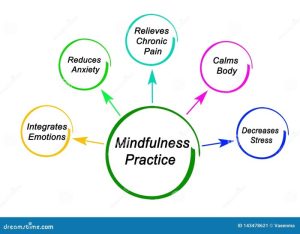
Living mindfully is crucial for teenagers as it helps them stay present, reduce stress, and improve their overall well-being. By practicing mindfulness, teens can cultivate a deeper connection with themselves and the world around them.
Benefits of Mindfulness
- Enhanced mental clarity and focus
- Reduced anxiety and stress levels
- Improved emotional regulation
- Increased self-awareness and self-compassion
Mindfulness Activities for Teenagers
- Deep breathing exercises
- Mindful walking or nature observation
- Journaling thoughts and feelings
- Body scan meditation
Incorporating Mindfulness into Daily Routine
- Start the day with a short mindfulness practice
- Take mindful breaks during the day to check in with thoughts and emotions
- Practice gratitude before bedtime
- Use mindfulness apps or guided meditations for support
Emotional Balance
Emotional balance is a crucial component of teenagers’ overall health and well-being. It plays a significant role in how they navigate relationships, make decisions, and cope with the challenges of adolescence.Achieving emotional balance allows teenagers to better handle stress, build healthy relationships, and make informed choices.
It also enhances their resilience and ability to manage conflicts effectively. Here are some strategies to help teenagers achieve emotional balance:
Strategies for Emotional Balance
- Practice mindfulness and self-awareness: Encourage teenagers to reflect on their emotions, thoughts, and reactions without judgment. This can help them understand their feelings better and respond thoughtfully in challenging situations.
- Develop healthy coping mechanisms: Teach teenagers healthy ways to cope with stress, such as engaging in physical activities, journaling, or talking to a trusted adult. Avoidance or unhealthy coping strategies can lead to long-term emotional issues.
- Build a support network: Encourage teenagers to connect with friends, family members, or counselors who can provide emotional support and guidance. Having a strong support system can help teenagers feel less isolated and more understood.
- Practice emotional regulation: Help teenagers learn how to manage their emotions effectively by identifying triggers, practicing relaxation techniques, and expressing themselves assertively but respectfully.
- Prioritize self-care: Emphasize the importance of self-care activities such as getting enough rest, eating well-balanced meals, and engaging in activities they enjoy. Taking care of their physical health can positively impact their emotional well-being.
Health Education

Health education plays a crucial role in empowering teenagers to make informed decisions about their well-being. By providing accurate information and practical skills, health education equips adolescents with the knowledge needed to navigate various health-related situations confidently.
Importance of Sexual Health Education
Sexual health education is a vital component of comprehensive health education programs for teenagers. It helps young individuals understand their bodies, promote healthy relationships, and make responsible choices regarding sexual activity. Topics that should be covered in a holistic health education curriculum for teenagers include:
- The basics of reproductive anatomy and physiology
- Understanding consent and healthy relationships
- Prevention of sexually transmitted infections
- Birth control options and pregnancy prevention
- Exploring sexual orientation and gender identity
Tips for Enhancing Health Education
Schools and communities can enhance health education for teenagers by:
- Implementing interactive and engaging teaching methods
- Incorporating real-life scenarios and case studies into the curriculum
- Providing access to confidential resources for further information and support
- Collaborating with healthcare professionals and organizations for guest lectures and workshops
Self-Care
Self-care is the practice of taking deliberate actions to preserve and improve one’s own health and well-being. For teenagers, self-care plays a crucial role in maintaining both their physical and mental health, especially during the challenging adolescent years.
Importance of Self-Care for Teenagers
Self-care is essential for teenagers as it helps them develop healthy habits that can benefit them in the long run. By prioritizing self-care, teenagers can manage stress, improve their mood, boost their self-esteem, and enhance their overall quality of life.
It also teaches them the importance of self-respect and self-love.
Benefits of Self-Care Practices
- Reduces stress and anxiety levels
- Improves mental clarity and focus
- Promotes better sleep quality
- Boosts immune system function
- Enhances self-awareness and emotional intelligence
Examples of Self-Care Activities for Teenagers
- Practicing mindfulness and meditation
- Engaging in regular physical exercise
- Maintaining a healthy diet
- Getting enough sleep each night
- Setting boundaries and saying no when needed
Tips for Prioritizing Self-Care
- Schedule self-care activities into your daily routine
- Learn to recognize your own limits and take breaks when necessary
- Surround yourself with supportive and positive influences
- Practice self-compassion and be kind to yourself
- Seek help from a trusted adult or professional if needed
Chronic Disease
Unhealthy lifestyle choices can significantly increase the risk of chronic diseases in teenagers. Factors such as poor diet, lack of exercise, smoking, excessive alcohol consumption, and high stress levels can all contribute to the development of chronic conditions at a young age.
Impact of Unhealthy Lifestyle Choices
- Obesity: Poor eating habits and sedentary lifestyles can lead to obesity, which is a major risk factor for chronic diseases such as heart disease, type 2 diabetes, and certain types of cancer.
- Cardiovascular Disease: Smoking, lack of exercise, and unhealthy diet can increase the risk of heart disease and stroke in teenagers.
- Mental Health Disorders: Chronic stress, poor sleep, and unhealthy coping mechanisms can contribute to the development of mental health conditions like anxiety and depression.
Importance of Preventive Measures
- Regular Exercise: Engaging in physical activity can help maintain a healthy weight, improve cardiovascular health, and reduce the risk of chronic diseases.
- Healthy Diet: Consuming a balanced diet rich in fruits, vegetables, whole grains, and lean proteins can support overall health and reduce the risk of chronic conditions.
- Stress Management: Practicing relaxation techniques, mindfulness, and seeking support can help lower stress levels and protect against mental health disorders.
Examples of Chronic Diseases
- Type 2 Diabetes: A condition characterized by high blood sugar levels, often linked to obesity and poor diet.
- Asthma: A chronic respiratory condition that can be triggered by environmental factors and poor lifestyle choices.
- High Blood Pressure: A condition that can result from a combination of genetic predisposition and unhealthy habits like smoking and excessive salt intake.
Tips for Lowering Risk
- Get Regular Check-ups: Routine medical exams can help detect early signs of chronic diseases and guide preventive measures.
- Avoid Smoking and Excessive Drinking: These habits can significantly increase the risk of various chronic conditions.
- Prioritize Mental Health: Practice self-care, seek support when needed, and develop healthy coping mechanisms to protect your emotional well-being.
Epilogue
In conclusion, the holistic approach of sexual health education equips teenagers with the necessary knowledge and skills to navigate the complexities of relationships, protect their well-being, and make informed choices. By prioritizing sexual health education, we invest in the future health and happiness of the youth.
FAQ Compilation
How does sexual health education benefit teenagers?
Sexual health education equips teenagers with essential knowledge to make informed decisions, navigate relationships, and prevent STIs.
What are some examples of successful sexual health education programs for teenagers?
Programs like comprehensive sex education in schools, peer-led initiatives, and community workshops have shown effectiveness in educating teenagers about sexual health.