Kicking off with How to create a supportive environment for a positive mindset, this guide will explore various aspects like diet, mental wellness, fitness, hydration, stress management, and quality sleep that contribute to fostering a positive mindset and overall well-being.
Balanced Diet: How To Create A Supportive Environment For A Positive Mindset
A balanced diet plays a crucial role in creating a supportive environment for a positive mindset. It provides the necessary nutrients to fuel both the body and mind, promoting overall well-being and mental clarity.
Nutrient-Rich Foods for Mental Wellness
Eating a variety of whole foods rich in nutrients can have a positive impact on mental health. Foods such as fatty fish (salmon, sardines), nuts and seeds (walnuts, flaxseeds), leafy greens (spinach, kale), and whole grains (quinoa, brown rice) are known to support brain function and mood regulation.
Impact of Clean Eating on Overall Health
Clean eating, which involves consuming minimally processed foods and avoiding additives, can significantly impact overall health and emotional balance. By prioritizing whole foods and limiting intake of sugar, artificial ingredients, and unhealthy fats, individuals can experience increased energy levels, improved mood stability, and better cognitive function.
Mental Wellness
Maintaining mental wellness is crucial for fostering a positive mindset. Our mental health directly impacts how we perceive the world around us and how we handle challenges. It is essential to prioritize mental well-being through various strategies and self-care practices.
Promoting Emotional Balance and Mindfulness
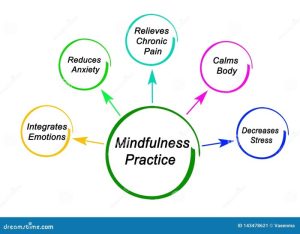
- Practice mindfulness meditation: Taking a few minutes each day to focus on the present moment can help reduce stress and promote emotional balance.
- Engage in regular physical activity: Exercise releases endorphins, which are known to improve mood and reduce feelings of anxiety.
- Connect with others: Building strong social connections and seeking support from friends and family can help in times of need.
- Limit exposure to negative news and social media: Constant exposure to negative information can impact mental well-being, so it’s important to set boundaries.
Role of Self-Care Practices
- Establish a self-care routine: Prioritize activities that bring you joy and relaxation, such as reading, taking a bath, or spending time in nature.
- Practice gratitude: Reflecting on things you are grateful for can shift your focus to the positive aspects of life and improve mental well-being.
- Set boundaries: Learn to say no to activities or people that drain your energy and prioritize your own needs.
- Seek professional help if needed: If you are struggling with your mental health, don’t hesitate to reach out to a therapist or counselor for support.
Physical Fitness
Regular exercise plays a crucial role in promoting a positive mindset and overall holistic health. Engaging in physical activities not only strengthens the body but also has numerous benefits for mental well-being.
Types of Daily Activities for Physical Fitness and Mental Health
- Cardiovascular exercises like running, cycling, or swimming help improve heart health and circulation, leading to better overall well-being.
- Strength training, such as weight lifting or bodyweight exercises, can boost muscle mass, metabolism, and confidence.
- Yoga and Pilates focus on flexibility, balance, and mindfulness, promoting relaxation and reducing stress levels.
- Daily walks in nature or meditation can also have a positive impact on mental clarity and emotional stability.
Benefits of Cardio Health on Overall Well-being and Stress Management
Cardiovascular exercises are particularly beneficial for both physical fitness and mental health. They help in releasing endorphins, which are known as “feel-good” hormones, reducing stress levels and improving mood. Additionally, cardio workouts enhance cardiovascular endurance, leading to better stamina, increased energy levels, and a more positive outlook on life.
Adequate Hydration
Staying adequately hydrated is crucial for maintaining optimal cognitive function and boosting the immune system. Dehydration can have negative effects on mental clarity and overall health, making it essential to prioritize hydration throughout the day.
Tips for Staying Hydrated, How to create a supportive environment for a positive mindset
- Carry a reusable water bottle with you wherever you go to ensure easy access to water.
- Set reminders on your phone or use an app to prompt you to drink water regularly.
- Infuse water with fruits or herbs to add flavor and make hydration more enjoyable.
- Drink water before and after meals to help with digestion and hydration.
Effects of Dehydration
When you are dehydrated, you may experience symptoms such as fatigue, headaches, and difficulty concentrating. Dehydration can also impact mood and lead to irritability, affecting your overall mental well-being. Additionally, inadequate hydration can compromise the immune system, making you more susceptible to illnesses.
Stress Management
Stress is a common part of life, but how we manage it can greatly impact our mental well-being and overall mindset. Effective stress management techniques are essential for fostering a positive outlook and emotional balance.
Impact of Chronic Stress
Chronic stress can have a detrimental impact on mental health, leading to anxiety, depression, and other serious conditions. To prevent chronic stress, it is crucial to identify stress triggers and develop healthy coping mechanisms. This can include practicing mindfulness, seeking social support, and engaging in regular physical activity.
Holistic Approaches to Stress Relief
- Exercise: Physical activity releases endorphins, which are natural mood lifters. Incorporating regular exercise into your routine can help reduce stress levels.
- Mindfulness and Meditation: Mindfulness techniques, such as deep breathing and meditation, can help calm the mind and reduce stress and anxiety.
- Healthy Sleep Habits: Adequate rest is crucial for stress management. Establishing a consistent sleep routine and creating a relaxing bedtime ritual can improve sleep quality.
- Healthy Diet: Eating a balanced diet rich in fruits, vegetables, whole grains, and lean proteins can support overall well-being and resilience to stress.
- Time Management: Prioritizing tasks, setting realistic goals, and practicing time management techniques can help reduce feelings of overwhelm and stress.
Quality Sleep
Quality sleep plays a crucial role in maintaining a positive mindset and overall well-being. It is during sleep that our bodies repair and rejuvenate, allowing us to wake up feeling refreshed and ready to tackle the day ahead.
Tips for Improving Sleep Hygiene
- Establish a consistent sleep schedule by going to bed and waking up at the same time every day, even on weekends.
- Create a relaxing bedtime routine to signal to your body that it’s time to wind down, such as reading a book or taking a warm bath.
- Make sure your sleep environment is conducive to rest, with a comfortable mattress and pillows, and a cool, dark, and quiet room.
- Avoid stimulants like caffeine and electronic devices before bedtime, as they can interfere with your ability to fall asleep.
Link Between Sleep Deprivation, Mental Wellness, and Preventive Care
Prolonged sleep deprivation can have serious consequences on mental wellness and overall health. Lack of quality sleep has been linked to increased stress, anxiety, depression, and even cognitive decline. It can also weaken the immune system, making you more susceptible to illness and chronic conditions.
Getting adequate sleep is not a luxury but a necessity for maintaining a positive mindset and preventing long-term health issues.
Conclusion
In conclusion, creating a supportive environment for a positive mindset involves a holistic approach that encompasses balanced diet, mental wellness, physical fitness, hydration, stress management, and quality sleep. By incorporating these elements into your daily routine, you can cultivate a positive mindset and improve your overall quality of life.
FAQ Guide
How does a balanced diet impact a positive mindset?
A balanced diet provides essential nutrients that support brain function and emotional well-being, contributing to a positive mindset.
What are some examples of self-care practices for maintaining mental well-being?
Self-care practices like meditation, journaling, and engaging in hobbies can promote emotional balance and mental wellness.
Why is quality sleep important for a positive mindset?
Quality sleep allows the brain to recharge, enhances cognitive function, and plays a crucial role in maintaining a positive mindset.