With How to prevent cardiovascular disease with cardio exercises at the forefront, this paragraph opens a window to an amazing start and intrigue, inviting readers to embark on a storytelling casual formal language style filled with unexpected twists and insights.
The content of the second paragraph that provides descriptive and clear information about the topic
Balanced Diet
Eating a balanced diet plays a crucial role in preventing cardiovascular disease by providing essential nutrients that support heart health and overall well-being. It is important to include a variety of nutrient-rich foods in your daily meals to ensure you are getting the necessary vitamins, minerals, and antioxidants to keep your heart healthy.
Nutrient-Rich Foods for Heart Health
- Leafy green vegetables such as spinach, kale, and collard greens are rich in vitamins, minerals, and antioxidants that support heart health.
- Fatty fish like salmon, mackerel, and sardines are high in omega-3 fatty acids, which can help reduce inflammation and lower the risk of heart disease.
- Whole grains such as oats, quinoa, and brown rice provide fiber, which can help lower cholesterol levels and improve heart health.
- Fruits like berries, oranges, and apples are packed with vitamins, minerals, and antioxidants that are beneficial for heart health.
- Nuts and seeds like almonds, walnuts, and chia seeds are good sources of healthy fats, fiber, and antioxidants that support heart health.
Avoid Processed and High-Fat Foods
- Avoiding processed foods high in sugar, salt, and unhealthy fats can help reduce the risk of developing cardiovascular disease.
- Avoiding foods high in saturated and trans fats like fried foods, pastries, and fatty cuts of meat can help lower cholesterol levels and improve heart health.
- Limiting the intake of sugary beverages, processed snacks, and fast food can help maintain a healthy weight and reduce the risk of heart disease.
- Opting for whole, unprocessed foods and cooking at home with fresh ingredients can help you make healthier food choices and support your heart health.
Mental Wellness
When it comes to preventing cardiovascular disease, mental wellness plays a crucial role in maintaining overall heart health. The connection between our mental state and physical health is undeniable, as stress and negative emotions can have a significant impact on our cardiovascular system.
Strategies for Managing Stress
- Practice relaxation techniques such as deep breathing, meditation, or yoga to reduce stress levels.
- Engage in regular physical activity, including cardio exercises, to help alleviate stress and improve mood.
- Establish a healthy work-life balance to prevent burnout and reduce stress in daily life.
- Seek social support from friends, family, or a therapist to cope with stress and emotional challenges effectively.
Impact of Positive Mindset
- Having a positive mindset can lead to lower levels of stress hormones in the body, benefiting heart health.
- Optimism and resilience can help individuals better cope with life’s challenges and reduce the risk of developing cardiovascular diseases.
- Positive emotions can contribute to lower blood pressure, improved immune function, and overall well-being, promoting heart health.
Physical Fitness
Regular physical activity, especially cardio exercises, plays a crucial role in maintaining cardiovascular health. By incorporating cardio workouts into your routine, you can strengthen your heart, improve circulation, and reduce the risk of developing cardiovascular diseases.
Benefits of Cardio Exercises
- Improves heart health by strengthening the heart muscle and improving its efficiency
- Enhances circulation, leading to better oxygen and nutrient delivery to the body’s tissues
- Helps lower blood pressure and cholesterol levels, reducing the risk of heart disease
- Aids in weight management and promotes overall physical well-being
List of Effective Cardio Workouts
- Running or jogging
- Cycling
- Swimming
- Aerobics classes
- Jump rope
- Dancing
Importance of Strength Training
Strength training is essential to complement cardio exercises for a well-rounded fitness routine. Incorporating strength training helps build muscle mass, increase metabolism, and improve overall physical strength and endurance. A combination of cardio and strength training can provide comprehensive benefits for cardiovascular health and overall fitness.
Adequate Hydration
Hydration plays a crucial role in supporting cardiovascular function as it helps maintain blood volume, which is essential for the heart to pump effectively throughout the body. Dehydration can lead to a decrease in blood volume, making the heart work harder to circulate blood and potentially causing strain on the cardiovascular system.
Tips for Staying Adequately Hydrated
- Drink at least 8-10 glasses of water a day to ensure proper hydration levels.
- Carry a reusable water bottle with you throughout the day to remind yourself to drink water regularly.
- Include hydrating foods in your diet such as fruits and vegetables with high water content.
- Avoid excessive consumption of caffeinated and sugary beverages, as they can contribute to dehydration.
Impact of Dehydration on the Cardiovascular System and Prevention Strategies
Dehydration can lead to an increase in heart rate and blood pressure, putting extra stress on the heart and potentially leading to cardiovascular issues. To prevent dehydration and its impact on the cardiovascular system:
- Monitor your urine color – pale yellow or clear urine indicates proper hydration.
- Drink water before, during, and after exercise to replenish fluids lost through sweat.
- Avoid alcohol consumption, as it can dehydrate the body and affect cardiovascular function.
- Consider electrolyte-rich drinks for intense workouts to maintain proper fluid balance.
Regular Exercise
Regular exercise plays a crucial role in preventing cardiovascular disease by improving heart health, reducing blood pressure, and lowering cholesterol levels. It also helps in maintaining a healthy weight, reducing stress, and improving overall well-being.
Sample Weekly Workout Plan
- Monday: 30 minutes of brisk walking or jogging
- Tuesday: 45 minutes of cycling or swimming
- Wednesday: 20 minutes of high-intensity interval training
- Thursday: Rest day or gentle yoga/stretching
- Friday: 40 minutes of cardio dance workout
- Saturday: 1-hour hike or outdoor activity
- Sunday: 30 minutes of cardio kickboxing
Regular physical activity helps in strengthening the heart muscle, improving circulation, and boosting oxygen flow throughout the body. Consistency in exercise routines can lead to long-term benefits for heart health, such as reduced risk of heart disease, improved cardiovascular fitness, and better overall quality of life.
Healthy Lifestyle
Adopting a healthy lifestyle plays a crucial role in reducing the risk of cardiovascular issues. By making positive changes in daily habits and choices, individuals can significantly improve heart health and overall well-being.
Tips for Transitioning to a Healthier Lifestyle
- Start by incorporating more fruits, vegetables, whole grains, and lean proteins into your diet.
- Engage in regular physical activity such as cardio exercises, strength training, or yoga to keep your heart strong.
- Aim to get enough quality sleep each night to support heart health and overall vitality.
- Reduce stress through mindfulness practices, deep breathing exercises, or hobbies that bring you joy.
- Avoid smoking and limit alcohol consumption to protect your heart and blood vessels.
Connection Between Lifestyle Choices and Cardiovascular Disease Prevention
Our lifestyle choices directly impact our heart health and the risk of developing cardiovascular diseases. Unhealthy habits such as poor diet, sedentary lifestyle, smoking, excessive alcohol consumption, and chronic stress can contribute to the development of conditions like high blood pressure, high cholesterol, and obesity – all of which are major risk factors for heart disease.
Preventive Care
Regular preventive care plays a crucial role in maintaining cardiovascular wellness. By taking proactive measures, individuals can significantly reduce their risk of developing heart-related issues and safeguard their overall health.
Importance of Preventive Measures
- Adopting a heart-healthy diet rich in fruits, vegetables, whole grains, and lean proteins can help lower cholesterol levels and blood pressure.
- Engaging in regular physical activity, such as cardio exercises, can strengthen the heart muscle and improve circulation.
- Avoiding tobacco and limiting alcohol consumption are essential in preventing cardiovascular diseases.
- Managing stress through relaxation techniques like meditation or yoga can also benefit heart health.
- Maintaining a healthy weight and monitoring blood sugar levels are crucial in preventing diabetes, a significant risk factor for heart disease.
Role of Regular Health Check-ups
Regular health check-ups are vital for early detection and prevention of heart-related issues. Through routine screenings, individuals can monitor their blood pressure, cholesterol levels, and overall heart health. Healthcare professionals can provide valuable guidance on lifestyle changes and recommend appropriate interventions to reduce the risk of cardiovascular diseases.
By staying proactive and informed through regular health check-ups, individuals can take control of their heart health and prevent potential complications.
Quality Sleep
Quality sleep plays a crucial role in maintaining overall health, including cardiovascular health. Adequate and restful sleep is essential for supporting heart function and reducing the risk of heart disease.
Importance of Quality Sleep for Cardiovascular Health
Quality sleep allows the body to repair and rejuvenate, including the heart. During sleep, the heart rate and blood pressure decrease, giving the heart a chance to rest and recover. Lack of quality sleep can lead to various health issues, including an increased risk of cardiovascular disease.
Tips for Improving Sleep Quality to Support Heart Function
- Aim for 7-9 hours of quality sleep each night.
- Establish a relaxing bedtime routine to signal to your body that it’s time to sleep.
- Avoid caffeine, heavy meals, and electronic devices before bedtime.
- Create a comfortable sleep environment with a supportive mattress and dark, quiet surroundings.
- Stay consistent with your sleep schedule, even on weekends.
Link Between Sleep Deprivation and Increased Risk of Heart Disease
Chronic sleep deprivation can disrupt the body’s natural processes, leading to an increased risk of heart disease. Sleep deprivation has been linked to higher blood pressure, inflammation, and an imbalance in the body’s stress hormones, all of which can negatively impact cardiovascular health.
Prioritizing quality sleep is essential for maintaining a healthy heart.
Cardio Health
Cardio health is crucial for maintaining overall well-being and reducing the risk of cardiovascular disease. By incorporating healthy lifestyle choices and regular exercise, you can significantly improve your heart health and overall quality of life.
Factors Contributing to Good Cardiovascular Health
- Consuming a balanced diet rich in fruits, vegetables, whole grains, lean proteins, and healthy fats can support heart function and reduce the risk of heart disease.
- Avoiding smoking and limiting alcohol consumption can help maintain optimal heart health.
- Managing stress levels through relaxation techniques, meditation, or hobbies can positively impact heart function.
Maintaining Optimal Heart Function Through Lifestyle Choices
- Engaging in regular physical activity, such as cardio exercises, can strengthen the heart muscle and improve circulation.
- Monitoring blood pressure, cholesterol levels, and blood sugar levels regularly can help identify and manage risk factors for heart disease.
- Getting regular check-ups with healthcare providers and following recommended screenings can aid in early detection and prevention of heart-related issues.
Impact of Cardio Exercises on Overall Heart Health
- Cardio exercises, such as running, cycling, swimming, or dancing, can improve cardiovascular fitness, endurance, and heart function.
- These exercises help lower blood pressure, reduce cholesterol levels, and enhance circulation, leading to a healthier heart.
- Consistent cardio workouts can also promote weight loss or weight management, further reducing the strain on the heart and decreasing the risk of heart disease.
Immune Boost
Boosting the immune system can indirectly benefit cardiovascular health by reducing inflammation in the body. Inflammation is a key factor in the development of heart disease, so by keeping the immune system strong, you can lower the risk of inflammation-related issues in the heart.
Immune-Boosting Strategies for Heart Wellness, How to prevent cardiovascular disease with cardio exercises
- Include plenty of fruits and vegetables in your diet, as they are rich in antioxidants and vitamins that support immune function.
- Get regular exercise, as physical activity can help boost the immune system and improve cardiovascular health at the same time.
- Manage stress through relaxation techniques like meditation or yoga, as chronic stress weakens the immune system and can impact heart health.
- Ensure you are getting enough quality sleep, as sleep deprivation can suppress immune function and increase the risk of heart disease.
Relationship Between Strong Immune System and Reduced Heart Disease Risk
Maintaining a strong immune system is crucial for reducing the risk of heart disease, as a healthy immune system can help fight off infections and inflammation that can damage the heart. By supporting your immune system through healthy lifestyle choices, you can also protect your cardiovascular health in the long run.
Clean Eating
Clean eating is a dietary approach focused on consuming whole, unprocessed foods in their natural state. This concept emphasizes the importance of avoiding artificial additives, preservatives, and refined ingredients that can have negative impacts on overall health, including cardiovascular wellness.
Examples of Clean Eating Habits
- Choose fresh fruits and vegetables over canned or processed options.
- Opt for whole grains like quinoa, brown rice, and oats instead of refined grains like white bread and pasta.
- Incorporate lean proteins such as fish, poultry, tofu, and legumes into your meals.
- Use healthy fats like olive oil, avocado, and nuts in cooking and meal preparation.
- Avoid sugary drinks and opt for water, herbal teas, or homemade fruit-infused water.
Benefits of Avoiding Processed and Sugary Foods
By steering clear of processed and sugary foods, you can significantly benefit your heart health. These types of foods are often high in unhealthy fats, added sugars, and sodium, which can contribute to heart disease risk factors like high cholesterol, hypertension, and inflammation.
Choosing clean, whole foods instead can help lower cholesterol levels, regulate blood pressure, and reduce the risk of developing cardiovascular diseases.
Daily Activity
Regular physical activity plays a crucial role in preventing cardiovascular disease and maintaining overall health. By incorporating movement into our daily routines, we can significantly reduce the risk of heart-related issues. Staying active throughout the day is not only beneficial for our heart but also improves our overall well-being.
Importance of Daily Physical Activity
Engaging in daily physical activity helps strengthen the heart muscle, improve blood circulation, and lower blood pressure, reducing the risk of cardiovascular disease. It also helps manage weight, control cholesterol levels, and decrease the likelihood of developing other chronic conditions.
Simple Ways to Stay Active
- Take short walks during breaks at work or at home.
- Use the stairs instead of the elevator whenever possible.
- Participate in household chores that require movement, such as cleaning or gardening.
- Incorporate stretching exercises into your daily routine to improve flexibility and circulation.
- Join group fitness classes or engage in sports activities that you enjoy.
Significance of Staying Active Throughout the Day
It is essential to stay active throughout the day to avoid prolonged periods of sitting, which can negatively impact cardiovascular health. By breaking up sedentary time with movement, we can improve blood flow, maintain muscle strength, and boost energy levels.
Consistent daily activity not only benefits the heart but also contributes to better mental health and overall quality of life.
Holistic Health: How To Prevent Cardiovascular Disease With Cardio Exercises
When it comes to maintaining heart health, taking a holistic approach is essential. This means focusing on not only physical fitness but also mental and emotional well-being to ensure overall cardiovascular wellness.
Interconnectedness of Health Aspects
Addressing mental, emotional, and physical well-being can significantly contribute to preventing heart disease. Here’s how different aspects of health are interconnected in maintaining heart health:
- Physical Fitness: Regular exercise and a balanced diet not only improve cardiovascular health but also help in managing stress levels and boosting overall well-being.
- Mental Wellness: Managing stress, anxiety, and depression can lower the risk of heart disease as mental health directly impacts physical health.
- Healthy Lifestyle: Making healthy choices in terms of diet, exercise, and habits like smoking cessation can have a positive impact on heart health.
- Quality Sleep: Proper rest and sleep are crucial for heart health as lack of sleep can lead to increased risk of heart disease.
- Immune Boost: A strong immune system can help prevent infections and inflammation that can harm the heart.
- Clean Eating: Consuming a diet rich in fruits, vegetables, whole grains, and lean proteins can reduce the risk of heart disease.
Mindful Living
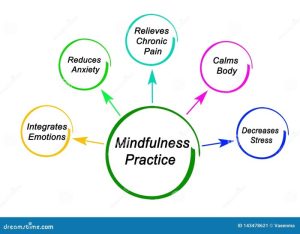
Mindful living involves being fully present and aware of your thoughts, feelings, and surroundings in the present moment without judgment. This practice can have numerous benefits for heart health by reducing stress, improving emotional well-being, and promoting a sense of calm and balance in daily life.
Incorporating Mindfulness Practices
One way to incorporate mindfulness into your daily life is by practicing mindfulness meditation for a few minutes each day. This can involve focusing on your breath, body sensations, or a specific mantra to help calm the mind and reduce stress.
- Avoid multitasking and focus on one task at a time to cultivate mindfulness in daily activities.
- Practice deep breathing exercises to help center yourself and reduce stress throughout the day.
- Engage in mindful eating by savoring each bite, paying attention to flavors and textures, and eating slowly without distractions.
Stress Reduction and Heart Health
Mindfulness can play a crucial role in reducing stress, which is a significant risk factor for heart disease. By practicing mindfulness regularly, individuals can lower their stress levels, improve heart function, and reduce the likelihood of developing cardiovascular issues.
- Use mindfulness techniques such as body scans or progressive muscle relaxation to release tension and promote relaxation.
- Practice gratitude and positive thinking to shift focus away from stressors and cultivate a more optimistic outlook on life.
- Engage in activities that promote relaxation, such as yoga, tai chi, or nature walks, to further support heart health through stress reduction.
Emotional Balance
Emotional balance plays a crucial role in maintaining heart health as our emotions can directly impact our cardiovascular system. When we experience stress, anxiety, or anger, our body releases cortisol and adrenaline, which can increase blood pressure, heart rate, and strain on the heart.
On the other hand, positive emotions like joy, gratitude, and love can have a calming effect on the heart and overall well-being.
Strategies for Managing Emotions
- Practice mindfulness and deep breathing exercises to reduce stress and promote relaxation.
- Engage in regular physical activity to release endorphins and improve mood.
- Seek social support from friends, family, or a therapist to express and process emotions effectively.
- Engage in activities you enjoy, such as hobbies, music, art, or spending time in nature, to boost mood and reduce stress.
- Avoid negative coping mechanisms like excessive alcohol consumption, smoking, or emotional eating, which can have detrimental effects on heart health.
Impact of Emotional Well-Being on Heart Function
“A positive emotional state can improve heart function, reduce inflammation, and lower the risk of cardiovascular diseases.”
Maintaining emotional balance can lead to better heart function, improved immune response, and overall cardiovascular wellness. By managing emotions effectively and cultivating a positive mindset, individuals can protect their heart health and reduce the risk of heart-related issues in the long run.
Health Education
Health education plays a crucial role in preventing cardiovascular disease by providing individuals with the knowledge and tools necessary to make informed decisions about their heart health.
Significance of Health Education in Preventing Cardiovascular Disease
Health education is essential in preventing cardiovascular disease as it helps individuals understand the risk factors, symptoms, and preventive measures associated with heart health. By raising awareness and promoting healthy lifestyle choices, health education empowers individuals to take control of their cardiovascular health.
- Access to accurate information: Health education provides individuals with accurate, evidence-based information about cardiovascular disease, helping them make informed decisions about their health.
- Promotion of healthy behaviors: Educational resources such as workshops, seminars, and online platforms promote heart-healthy habits like regular exercise, balanced diet, and stress management.
- Early detection and intervention: Health education increases awareness about the warning signs of cardiovascular disease, encouraging individuals to seek timely medical help and preventive care.
Educational Resources for Heart Health Awareness
There are various educational resources available to promote heart health awareness and educate individuals about cardiovascular disease prevention:
- Heart health websites: Websites like the American Heart Association and World Heart Federation offer valuable resources, articles, and tools for understanding and preventing cardiovascular disease.
- Community workshops: Local health organizations often conduct workshops and seminars on heart health, providing information on risk factors, symptoms, and preventive measures.
- Mobile apps: There are mobile applications designed to track heart health metrics, provide exercise routines, and offer nutrition tips for maintaining a healthy heart.
Informed Decision-Making for Healthy Heart
Informed decision-making is vital for maintaining a healthy heart as it allows individuals to assess risks, benefits, and consequences before making choices that impact their cardiovascular health:
- Understanding risk factors: Health education helps individuals understand the risk factors associated with cardiovascular disease, enabling them to make lifestyle changes to reduce these risks.
- Evaluating treatment options: Informed decision-making empowers individuals to evaluate different treatment options for heart conditions and choose the most suitable approach in consultation with healthcare providers.
- Adopting preventive measures: By being informed about preventive measures such as regular exercise, healthy diet, and stress management, individuals can proactively protect their heart health.
Self-Care
Self-care practices play a crucial role in supporting heart health by helping to manage stress, promote relaxation, and improve overall well-being. When it comes to cardiovascular wellness, incorporating self-care routines into your daily life can significantly benefit your heart function and reduce the risk of heart disease.
Self-Care Routines for Cardiovascular Wellness
- Practice mindfulness and meditation to reduce stress levels and lower blood pressure.
- Engage in regular physical activity such as yoga or tai chi to improve circulation and strengthen the heart.
- Ensure adequate sleep to allow your heart to rest and recharge, aiming for 7-9 hours per night.
- Eat a balanced diet rich in fruits, vegetables, whole grains, lean proteins, and healthy fats to support heart health.
- Stay hydrated by drinking plenty of water throughout the day to maintain proper blood volume and circulation.
Chronic Disease
Chronic diseases such as diabetes, hypertension, and obesity can have a significant impact on cardiovascular health. By preventing and managing these conditions effectively, individuals can reduce the risk of developing heart disease and other cardiovascular issues.
Managing Underlying Conditions
Chronic diseases often contribute to the development of heart problems. Proper management of conditions like diabetes through medication, diet, and regular check-ups can help control blood sugar levels and reduce the risk of heart complications.
- Regular monitoring of blood pressure and cholesterol levels is crucial in managing hypertension, which is a major risk factor for heart disease.
- Maintaining a healthy weight through a balanced diet and regular exercise can help prevent obesity-related heart issues.
- Controlling blood sugar levels in diabetes through medication, diet, and exercise can reduce the risk of heart disease in diabetic individuals.
Relationship between Chronic Disease and Heart Wellness
The management of chronic diseases is directly linked to heart wellness. By effectively controlling conditions like diabetes, hypertension, and obesity, individuals can improve their overall cardiovascular health and reduce the likelihood of heart-related complications.
- Improving lifestyle factors such as diet, exercise, and stress management can help in preventing and managing chronic diseases, leading to better heart health.
- Regular medical check-ups and screenings can aid in the early detection and management of underlying conditions that may impact cardiovascular wellness.
- By addressing chronic diseases proactively, individuals can enhance their quality of life and reduce the burden of heart disease on their overall health.
Closure
The content of the concluding paragraph that provides a summary and last thoughts in an engaging manner
Questions and Answers
What are the best cardio exercises for preventing cardiovascular disease?
Some effective cardio exercises include running, cycling, swimming, and aerobics.
Can cardio exercises alone prevent cardiovascular disease?
While cardio exercises play a significant role, it’s essential to combine them with a balanced diet and other healthy lifestyle choices for optimal prevention.
How often should one engage in cardio exercises to prevent cardiovascular disease?
It is recommended to do at least 150 minutes of moderate-intensity cardio exercises per week for heart health benefits.