Benefits of using a sleep tracker for monitoring sleep quality: Enhancing Wellness with Technology brings to light the significant advantages of leveraging sleep trackers to enhance overall health. Dive into a world where technology meets well-being, offering insights into sleep patterns and holistic health improvements.
Explore the intricate connection between sleep quality, physical fitness, mental wellness, and more, as we unravel the transformative impact of monitoring sleep with cutting-edge trackers.
Benefits of using a sleep tracker for monitoring sleep quality
Using a sleep tracker can provide valuable insights into your sleep patterns and overall health. These devices work by monitoring your movements and sometimes other physiological signals during sleep to analyze the quality of your rest.
Tracking Sleep Patterns
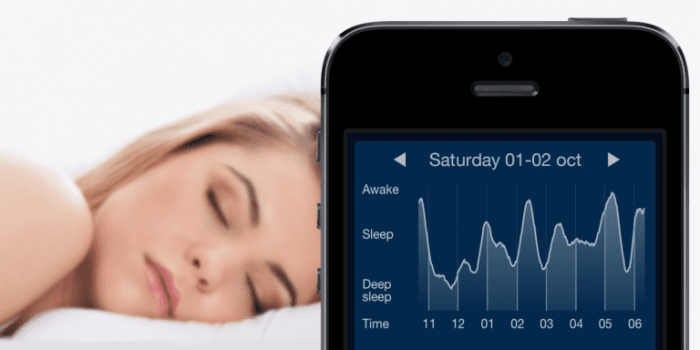
Sleep trackers typically use accelerometers and sometimes heart rate monitors to track your movements and heart rate throughout the night. By analyzing this data, the device can determine when you are in light sleep, deep sleep, or REM sleep. This information can help you understand your sleep patterns better and make adjustments to improve your rest.
Improving Overall Health
Monitoring your sleep quality can have a significant impact on your overall health. Poor sleep has been linked to various health issues, including obesity, diabetes, and heart disease. By using a sleep tracker to identify areas for improvement, you can take steps to enhance your sleep quality and, in turn, boost your overall well-being.
Identifying Sleep Disorders
Sleep trackers can also be helpful in identifying potential sleep disorders such as sleep apnea or insomnia. By analyzing your sleep data and recognizing irregularities in your sleep patterns, you can seek professional help and receive a proper diagnosis and treatment plan.
Improving Sleep Habits
One of the significant benefits of using a sleep tracker is that it can help you develop healthier sleep habits. By tracking your sleep quality consistently, you can establish a bedtime routine, optimize your sleep environment, and make lifestyle changes that promote better rest.
Balanced Diet
Maintaining a balanced diet is essential for overall health and well-being, including quality sleep. The food we eat directly impacts our sleep patterns and can either promote restful sleep or disrupt it.
Connection between Sleep Quality and Balanced Diet
A balanced diet rich in nutrients like magnesium, calcium, and vitamins B6 and B12 can help regulate sleep patterns. These nutrients play a crucial role in the production of neurotransmitters that promote relaxation and sleep.
Nutrition Impact on Sleep Patterns
Nutrition impacts sleep patterns by influencing the production of hormones like melatonin, which regulates sleep-wake cycles. Certain foods can either enhance or inhibit the production of these hormones, affecting the quality of sleep.
Foods that Promote Better Sleep
- Fatty fish like salmon and tuna, rich in omega-3 fatty acids
- Nuts and seeds such as almonds, walnuts, and flaxseeds
- Dairy products like yogurt, which contain tryptophan
- Fruits like bananas and kiwis, known for their sleep-inducing properties
- Whole grains like oats and barley, which help stabilize blood sugar levels
Importance of Meal Timing for Quality Sleep
Eating meals at consistent times each day and avoiding heavy meals close to bedtime can improve sleep quality. Consuming a balanced dinner a few hours before sleep can prevent discomfort and promote better rest.
Mental Wellness
Sleep quality plays a crucial role in our mental wellness. Adequate sleep is essential for maintaining good mental health, as it allows the brain to rest and recharge. When we experience restful sleep, our cognitive functions, mood, and overall mental well-being are positively influenced.
Relationship Between Sleep Quality and Mental Wellness
Adequate sleep is linked to improved mental wellness. During sleep, the brain processes emotions, consolidates memories, and regulates mood. Lack of quality sleep can lead to irritability, mood swings, and difficulty concentrating, impacting our mental health negatively.
Impact of Sleep Deprivation on Cognitive Function
Sleep deprivation can have a significant impact on cognitive function. When we don’t get enough sleep, our ability to focus, make decisions, and solve problems is impaired. Chronic sleep deprivation can also increase the risk of developing mental health disorders such as anxiety and depression.
Strategies for Improving Mental Wellness Through Better Sleep
To improve mental wellness through better sleep, it is important to prioritize sleep hygiene. This includes maintaining a consistent sleep schedule, creating a relaxing bedtime routine, and ensuring your sleep environment is conducive to rest. Using a sleep tracker to monitor your sleep patterns can also help identify areas for improvement and track progress towards better sleep quality.
Physical Fitness
Quality sleep plays a crucial role in achieving optimal physical fitness.
Correlation between Sleep Quality and Physical Fitness
Quality sleep is directly linked to physical fitness as it affects various aspects of our body’s performance.
How Sleep Affects Physical Performance and Muscle Recovery
- During sleep, our body repairs and rebuilds muscle tissues that have been stressed during exercise.
- Lack of sleep can lead to decreased muscle recovery and overall physical performance.
Benefits of Quality Sleep for Exercise Endurance
- Proper rest allows the body to replenish energy stores, improving endurance during workouts and reducing the risk of fatigue.
- Individuals who get adequate sleep tend to have better exercise performance and endurance levels compared to those who are sleep deprived.
Importance of Restorative Sleep for Overall Fitness Goals
- Restorative sleep is essential for muscle growth and repair, aiding in the achievement of fitness goals.
- Quality sleep contributes to overall well-being, allowing individuals to perform at their best during physical activities and workouts.
Adequate Hydration: Benefits Of Using A Sleep Tracker For Monitoring Sleep Quality
Maintaining proper hydration is crucial for promoting quality sleep. Water plays a key role in various bodily functions, including regulating body temperature and aiding in the transportation of nutrients and oxygen to cells.Dehydration can have a negative impact on sleep patterns.
When the body is dehydrated, it can lead to symptoms such as dry mouth, headaches, and muscle cramps, which can disrupt sleep and make it difficult to fall asleep or stay asleep throughout the night.
Tips for Maintaining Adequate Hydration
- Drink plenty of water throughout the day, aiming for at least 8-10 glasses.
- Avoid excessive consumption of caffeinated or alcoholic beverages, as they can contribute to dehydration.
- Eat water-rich foods such as fruits and vegetables to increase your overall fluid intake.
- Carry a water bottle with you to ensure you have access to water wherever you go.
Link Between Hydration and Overall Sleep Quality
Proper hydration is closely linked to overall sleep quality. Staying hydrated helps to regulate your body’s internal processes, including hormone production and temperature regulation, which are essential for a good night’s sleep. By maintaining adequate hydration levels, you can improve the quality of your sleep and wake up feeling more refreshed and rejuvenated.
Regular Exercise
Regular exercise plays a crucial role in improving sleep quality by promoting relaxation, reducing stress levels, and enhancing overall physical health. Let’s delve into how incorporating exercise into your daily routine can positively impact your sleep patterns.
Timing of Exercise for Optimal Sleep Benefits
Engaging in physical activity during the day can lead to better sleep quality at night. However, it is important to consider the timing of your workouts to maximize the benefits for your sleep. Exercising too close to bedtime may increase alertness and make it harder to fall asleep.
It is recommended to finish moderate to vigorous exercise at least 3 hours before bedtime to allow your body to wind down and prepare for sleep.
Impact of Physical Activity on Sleep Duration and Quality
Studies have shown that regular exercise not only helps individuals fall asleep faster but also improves the overall quality of sleep. Physical activity can increase the amount of deep sleep experienced during the night, which is essential for feeling refreshed and rejuvenated the next day.
Additionally, exercise can help regulate the sleep-wake cycle, leading to more consistent and restful sleep patterns.
Examples of Exercise Routines that Enhance Sleep Patterns
- Aerobic exercises such as jogging, cycling, or swimming can help improve sleep quality by reducing stress and anxiety levels.
- Yoga and stretching exercises promote relaxation and can aid in calming the mind before bedtime.
- Strength training exercises like weightlifting or bodyweight exercises can enhance overall physical health, leading to better sleep quality over time.
Regular exercise not only benefits your physical health but also plays a significant role in improving your sleep quality. By incorporating different types of exercises into your daily routine and being mindful of the timing, you can experience better sleep patterns and overall well-being.
Healthy Lifestyle
Incorporating a sleep tracker into your routine can significantly contribute to a healthy lifestyle by helping you monitor and optimize your sleep patterns. This, in turn, can have a positive impact on various aspects of your overall well-being.
Holistic Benefits of Healthy Habits and Sleep Tracking
- Improved Sleep Quality: By tracking your sleep patterns, you can identify factors that may be disrupting your sleep and make necessary adjustments to improve the quality of your rest.
- Enhanced Physical Health: Adequate and quality sleep is essential for overall physical health, including immune function, weight management, and cardiovascular health.
- Boosted Mental Wellness: Good sleep is closely linked to mental health, and monitoring your sleep can help you identify patterns that may be affecting your mood, concentration, and cognitive function.
- Promotes Healthy Habits: Monitoring your sleep can also encourage you to maintain a consistent sleep schedule, practice good sleep hygiene, and adopt other healthy habits that support overall well-being.
Influence of Lifestyle Choices on Sleep Quality
- Diet and Exercise: Eating a balanced diet, engaging in regular physical activity, and avoiding stimulants close to bedtime can positively impact your sleep quality.
- Stress Management: Practicing relaxation techniques, such as meditation or deep breathing, can help reduce stress levels and promote better sleep.
- Sleep Environment: Creating a comfortable and conducive sleep environment, free of distractions and noise, can also enhance the quality of your sleep.
Tips for Creating a Healthy Routine with Sleep Monitoring
- Establish a Consistent Sleep Schedule: Aim to go to bed and wake up at the same time every day, even on weekends.
- Limit Screen Time Before Bed: Avoid using electronic devices that emit blue light, which can disrupt your natural sleep-wake cycle.
- Practice Relaxation Techniques: Wind down before bed with calming activities like reading, taking a warm bath, or listening to soothing music.
- Stay Active: Regular exercise can promote better sleep, but avoid vigorous workouts close to bedtime.
Nutrient-Rich
Eating a diet rich in nutrients is crucial for promoting quality sleep. Nutrient-dense foods provide the body with essential vitamins and minerals that support overall health, including sleep patterns.
Specific Nutrients for Better Sleep
- 1. Magnesium: This mineral helps relax muscles and regulate neurotransmitters involved in sleep. Foods high in magnesium include leafy greens, nuts, seeds, and whole grains.
- 2. Tryptophan: An amino acid that gets converted into serotonin and then melatonin, promoting relaxation and sleep. Sources include turkey, chicken, dairy, nuts, and seeds.
- 3. Vitamin B6: Necessary for the production of neurotransmitters like serotonin, which aids in regulating sleep. Foods rich in vitamin B6 include fish, poultry, bananas, and chickpeas.
Recipes for Nutrient-Rich Diet
One simple meal idea for a nutrient-rich dinner that supports better sleep is a grilled salmon fillet with quinoa and steamed broccoli. Salmon provides omega-3 fatty acids, quinoa offers protein and magnesium, while broccoli adds fiber and vitamins.
Micronutrients and Sleep Patterns
Micronutrients like iron, zinc, and vitamin D also play a role in regulating sleep patterns. Iron helps transport oxygen throughout the body, zinc supports immune function and sleep regulation, and vitamin D influences the sleep-wake cycle. Including foods like lean meats, legumes, nuts, and fortified dairy products in your diet can help ensure you’re getting these essential micronutrients for better sleep.
Stress Management
Tracking sleep quality can be a valuable tool in managing stress effectively. Poor sleep quality is often linked to increased stress levels, creating a vicious cycle where stress can further disrupt sleep. By using a sleep tracker to monitor patterns and identify areas for improvement, individuals can take proactive steps to better manage their stress and enhance their overall well-being.
Impact of Stress on Sleep
Stress can significantly impact the quality of sleep, leading to difficulties falling asleep, staying asleep, or experiencing restful sleep. Elevated stress levels can trigger the release of cortisol, a stress hormone that can disrupt the body’s natural sleep-wake cycle. This disruption can result in fragmented sleep, frequent awakenings, and overall poor sleep quality, ultimately affecting one’s physical and mental health.
Stress-Relief Techniques for Enhanced Sleep Quality
- Practice relaxation techniques such as deep breathing, meditation, or progressive muscle relaxation before bedtime to calm the mind and body.
- Engage in regular physical activity during the day to reduce stress and promote better sleep at night.
- Establish a consistent bedtime routine to signal to your body that it is time to unwind and prepare for sleep.
- Limit exposure to screens and electronic devices close to bedtime to avoid stimulating the brain and disrupting sleep patterns.
Incorporating Stress Management into Sleep Routine
- Prioritize stress management techniques as part of your nightly wind-down routine to promote relaxation and prepare the body for restful sleep.
- Keep a journal to jot down thoughts, worries, or tasks that may be causing stress, allowing you to clear your mind before bedtime.
- Consider seeking professional help or counseling if stress levels are significantly impacting your sleep and overall well-being.
Preventive Care
Monitoring sleep quality plays a crucial role in preventive care by helping individuals identify potential health issues before they escalate. Adequate sleep is essential for overall well-being and can significantly impact one’s physical and mental health.
Role of Adequate Sleep in Preventing Health Issues
- Consistent lack of sleep has been linked to various health problems such as obesity, heart disease, and diabetes.
- Adequate sleep supports immune function, cognitive performance, and emotional well-being, reducing the risk of developing chronic conditions.
- Quality sleep allows the body to repair and regenerate cells, promoting overall health and longevity.
Preventive Measures Enhanced Through Sleep Tracking
- Identifying patterns of poor sleep can help individuals make necessary lifestyle changes to improve sleep quality.
- Tracking sleep can highlight the impact of stress, diet, and exercise on sleep patterns, allowing for targeted interventions.
- Monitoring sleep can aid in the early detection of sleep disorders such as sleep apnea, leading to timely treatment and prevention of associated health risks.
Importance of Early Intervention Through Sleep Monitoring for Preventive Health
- Early identification of sleep disturbances can prevent the progression of sleep-related conditions and their potential impact on overall health.
- Intervening at the early stages of sleep problems can help individuals establish healthy sleep habits and prevent future health complications.
- Regular monitoring of sleep quality can serve as a proactive approach to maintaining optimal health and well-being.
Proper Nutrition
Proper nutrition plays a crucial role in ensuring quality sleep. The foods we eat can impact our sleep patterns and overall sleep quality.
Foods that Support Healthy Sleep Patterns
Certain foods contain nutrients that can promote better sleep by regulating hormones and neurotransmitters involved in the sleep-wake cycle. Some examples include:
- Foods rich in tryptophan, such as turkey, chicken, nuts, and seeds, which can help produce serotonin and melatonin, promoting relaxation and sleep.
- Complex carbohydrates like whole grains, fruits, and vegetables, which can aid in the production of serotonin and help regulate sleep.
- Foods high in magnesium, such as leafy greens, nuts, and seeds, which can help relax muscles and promote a calm state for sleep.
Impact of Meal Composition on Sleep Quality
The composition of our meals can also affect our sleep quality. Consuming heavy, rich, or spicy foods close to bedtime can disrupt sleep due to indigestion and discomfort. It is important to maintain a well-balanced diet throughout the day to support healthy sleep patterns.
Ensuring a good balance of macronutrients and micronutrients can help regulate energy levels, mood, and sleep quality.
Quality Sleep
Quality sleep is characterized by the ability to fall asleep quickly, stay asleep throughout the night, and wake up feeling refreshed and well-rested. It involves cycling through all the stages of sleep, including deep, restorative sleep and REM sleep.
Consistently achieving quality sleep is crucial for overall health and well-being. It allows the body to repair and rejuvenate, supports cognitive function, helps regulate mood, and strengthens the immune system. Quality sleep also plays a vital role in maintaining a healthy weight, reducing the risk of chronic diseases, and improving overall quality of life.
Tips for Improving Sleep Quality
- Avoid caffeine, nicotine, and alcohol close to bedtime as they can disrupt sleep patterns.
- Establish a regular sleep schedule by going to bed and waking up at the same time every day, even on weekends.
- Create a relaxing bedtime routine to signal to your body that it’s time to wind down, such as reading a book or taking a warm bath.
- Ensure your sleep environment is conducive to quality sleep by keeping your bedroom dark, quiet, and at a comfortable temperature.
Sleep Hygiene Practices for Enhancing Sleep Quality
- Avoid screens (phones, TVs, computers) at least an hour before bed, as the blue light can interfere with melatonin production.
- Exercise regularly, but avoid vigorous physical activity close to bedtime.
- Avoid large meals, spicy foods, and excessive liquids before bed to prevent discomfort and disruptions during the night.
- Practice relaxation techniques such as deep breathing, meditation, or yoga to reduce stress and promote better sleep.
Cardio Health
Sleep tracking can have a significant impact on cardiovascular health as it helps individuals monitor their sleep patterns and ensure they are getting enough restorative sleep. The connection between sleep quality and heart health is well-established, with inadequate sleep being linked to an increased risk of heart disease, high blood pressure, and other cardiovascular issues.
Adequate sleep is essential for a healthy heart as it allows the body to repair and rejuvenate, reducing the strain on the cardiovascular system.
Benefits of Quality Sleep for Cardiovascular Health
- Improves overall heart function and reduces the risk of heart disease
- Helps lower blood pressure and maintain healthy cholesterol levels
- Reduces inflammation in the body, which can contribute to heart problems
- Promotes better weight management, reducing the risk of obesity-related heart issues
Immune Boost
Sleep quality plays a crucial role in supporting immune function. Adequate rest is essential for maintaining a strong immune system and overall health. Let’s explore how improving sleep quality can boost immunity.
Relationship between Sleep Quality and Immune Function
Quality sleep is necessary for the proper functioning of the immune system. During sleep, the body produces cytokines, a type of protein that helps the immune system respond to infections and inflammation. Lack of sleep can lead to a decrease in the production of these protective cytokines, making the body more susceptible to illnesses.
Impact of Sleep Deprivation on Immune Response
Chronic sleep deprivation can weaken the immune response, making it harder for the body to fight off infections. Studies have shown that individuals who do not get enough sleep are more likely to get sick after being exposed to viruses or bacteria.
This highlights the importance of prioritizing sleep for overall health and wellbeing.
Strategies for Boosting Immunity through Improved Sleep Quality
- Aim for 7-9 hours of quality sleep each night to support optimal immune function.
- Establish a relaxing bedtime routine to signal to your body that it’s time to wind down and prepare for sleep.
- Avoid stimulants like caffeine and electronics close to bedtime, as they can interfere with your ability to fall asleep and stay asleep.
- Create a comfortable sleep environment that is conducive to restful sleep, such as a cool, dark, and quiet room.
- Consider using a sleep tracker to monitor your sleep patterns and make adjustments to improve the quality of your sleep.
Positive Mindset
Quality sleep plays a crucial role in fostering a positive mindset and emotional well-being. When we prioritize our sleep and ensure we get enough restful hours each night, our mental attitude is significantly impacted for the better. Let’s explore how improving our sleep habits can lead to a more positive outlook on life.
Influence of Sleep on Positive Mindset
- Quality sleep enhances cognitive function, allowing for better decision-making and problem-solving skills, which contribute to a more optimistic mindset.
- Adequate rest during sleep helps regulate emotions, reducing the likelihood of mood swings and irritability, leading to a more positive emotional state.
- Deep, uninterrupted sleep fosters mental clarity and focus, enabling individuals to approach challenges with a solution-oriented mindset.
Achieving a Positive Mindset through Better Sleep Habits
- Establishing a consistent sleep schedule and creating a calming bedtime routine can signal to the brain that it’s time to unwind and prepare for restful sleep.
- Avoiding stimulants like caffeine and electronics before bedtime can promote relaxation and improve sleep quality, setting the stage for a more positive mindset the next day.
- Practicing mindfulness techniques such as meditation or deep breathing exercises before sleep can help clear the mind of negative thoughts and promote a sense of peace and well-being.
Clean Eating
Eating clean refers to consuming whole, unprocessed foods that are nutrient-dense and free from artificial additives or preservatives. This approach to nutrition can have a significant impact on various aspects of health, including sleep quality.Processed foods, on the other hand, are often high in sugar, unhealthy fats, and additives that can disrupt sleep patterns.
These foods can lead to spikes and crashes in blood sugar levels, making it harder to fall and stay asleep throughout the night.
Impact of Clean Eating on Sleep Quality
Eating a clean diet rich in fruits, vegetables, whole grains, and lean proteins can provide the necessary nutrients to support optimal sleep. These foods are typically easier to digest and can help regulate hormones involved in the sleep-wake cycle, such as melatonin.
- Include foods rich in magnesium, such as leafy greens, nuts, and seeds, to promote relaxation and improve sleep quality.
- Opt for complex carbohydrates like whole grains and legumes, which can help regulate blood sugar levels and prevent disruptions in sleep.
- Choose lean proteins like poultry, fish, and tofu to provide amino acids that support neurotransmitter production for better sleep.
- Avoid processed foods high in sugar, unhealthy fats, and artificial additives, as these can negatively impact sleep quality.
Benefits of Clean Eating on Overall Health and Sleep
A clean diet not only supports quality sleep but also contributes to overall health and well-being. By nourishing the body with wholesome foods, individuals may experience improvements in energy levels, mood, and cognitive function, all of which can positively influence sleep quality.
- Reduced inflammation and oxidative stress from a clean diet can support better sleep and overall health.
- Improved gut health from consuming whole foods can enhance nutrient absorption and promote better sleep quality.
- Weight management through clean eating can reduce the risk of sleep disorders like sleep apnea and insomnia.
- Enhanced immune function from a nutrient-rich diet can help protect against infections that may disrupt sleep patterns.
Daily Activity
Regular physical activity plays a crucial role in promoting better sleep quality. Engaging in daily activities can help regulate your sleep-wake cycle, leading to improved sleep patterns and overall well-being.
Importance of Physical Movement
Incorporating daily activity into your routine can have a positive impact on your sleep quality. Physical movement helps in reducing stress and anxiety, which are common factors that can disrupt sleep. It also tires your body out, making it easier to fall asleep and stay asleep throughout the night.
- Walking or jogging in the morning or early evening can help regulate your internal clock, making it easier to fall asleep at night.
- Yoga or stretching exercises can relax your body and mind, promoting a restful night’s sleep.
- Strength training or aerobic exercises can improve overall sleep quality and increase the amount of deep sleep you get each night.
Holistic Health
Sleep quality plays a crucial role in achieving holistic health, which focuses on the overall well-being of an individual. By monitoring sleep patterns, one can align with a holistic approach to health that considers the interconnectedness of various aspects of wellness.
Interconnectedness of Sleep and Well-being
Quality sleep is closely linked to mental, physical, and emotional well-being. When we prioritize good sleep habits, we are better equipped to handle daily stressors, maintain a positive mindset, and engage in healthy lifestyle practices.
- Proper sleep supports cognitive function and emotional regulation, leading to improved mental wellness.
- Quality rest promotes physical recovery and energy levels, contributing to overall physical fitness.
- Adequate sleep is essential for the body’s immune system, cardiovascular health, and hormone regulation.
Holistic Practices for Better Sleep
Incorporating holistic practices can significantly improve sleep quality and overall health. By adopting a well-rounded approach to well-being, individuals can enhance their sleep patterns and promote a balanced lifestyle.
- Practicing relaxation techniques such as meditation, deep breathing, or yoga before bedtime can help calm the mind and prepare the body for rest.
- Creating a sleep-conducive environment with a comfortable mattress, pillows, and optimal room temperature can enhance the quality of sleep.
- Establishing a consistent sleep schedule and bedtime routine can regulate the body’s internal clock and promote better sleep patterns.
Strategies for Achieving Holistic Health through Improved Sleep Quality
By focusing on improving sleep quality, individuals can take significant steps towards achieving holistic health. The following strategies can support better sleep habits and contribute to overall well-being.
- Engaging in regular physical activity during the day can promote better sleep quality and overall health.
- Maintaining a balanced diet rich in nutrients and avoiding stimulants close to bedtime can support restful sleep.
- Practicing stress management techniques such as mindfulness, journaling, or engaging in hobbies can reduce anxiety and improve sleep quality.
Mindful Living
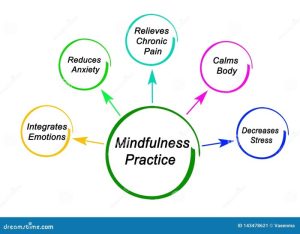
Living mindfully can greatly impact your sleep quality and overall health. By incorporating mindfulness practices into your daily routine, you can experience improved sleep patterns and promote a sense of well-being.
Impact of Mindfulness on Sleep Patterns and Overall Health
- Mindfulness can help reduce stress and anxiety, which are common contributors to sleep disturbances.
- Practicing mindfulness techniques can enhance relaxation and promote a sense of calmness before bedtime, making it easier to fall asleep.
- By being present in the moment and focusing on your breathing or body sensations, you can quiet the mind and prepare it for a restful night’s sleep.
- Improving sleep quality through mindfulness can have a positive ripple effect on overall health, including better mood, cognitive function, and physical well-being.
Mindfulness Techniques for Better Sleep
- Body scan meditation: Engage in a body scan meditation before bed to release tension and promote relaxation throughout the body.
- Deep breathing exercises: Practice deep breathing techniques to calm the mind and prepare for sleep.
- Mindful journaling: Write down your thoughts or feelings before bed to clear your mind and enter a state of relaxation.
- Guided imagery: Listen to guided imagery recordings that take you on a peaceful journey to help you unwind and fall asleep.
Incorporating Mindfulness into Your Sleep Routine
- Set aside time each day for mindfulness practices, whether it’s in the morning, during the day, or before bed.
- Create a calming bedtime routine that includes mindfulness activities to signal to your body that it’s time to wind down.
- Avoid screens and stimulating activities close to bedtime, opting instead for mindfulness exercises that promote relaxation.
- Practice gratitude and mindfulness throughout the day to cultivate a positive mindset that can carry over into your sleep.
Emotional Balance
Emotional balance plays a crucial role in achieving quality sleep. When our emotions are running high or we are experiencing stress, anxiety, or any other negative feelings, it can significantly impact our ability to fall asleep and stay asleep throughout the night.
This can lead to disrupted sleep patterns, insomnia, and overall poor sleep quality.
Link between Emotional Balance and Quality Sleep
Emotional well-being is closely linked to our sleep quality. When we are emotionally balanced, we are more likely to experience restful and rejuvenating sleep. On the other hand, negative emotions can trigger the release of stress hormones like cortisol, which can interfere with the natural sleep-wake cycle.
This can result in difficulty falling asleep, frequent awakenings during the night, and overall reduced sleep efficiency.
Strategies for Achieving Emotional Balance through Better Sleep Habits
- Establish a consistent sleep schedule to regulate your body’s internal clock.
- Practice relaxation techniques such as deep breathing, meditation, or progressive muscle relaxation before bedtime.
- Avoid stimulating activities or screen time close to bedtime to promote a sense of calmness.
- Engage in regular physical exercise to release endorphins and reduce stress levels.
- Seek professional help if persistent negative emotions are impacting your sleep quality.
Examples of Emotional Well-being Practices for Improved Sleep
Journaling about your feelings before bed to clear your mind and reduce emotional clutter.
Engaging in mindfulness practices to stay present and reduce anxiety about the past or future.
Connecting with loved ones or a support system to share your emotions and feel understood.
Engaging in hobbies or activities that bring you joy and fulfillment to boost your mood.
Health Education
Health education plays a crucial role in promoting overall well-being, including sleep quality. By understanding the importance of sleep patterns and hygiene, individuals can make informed decisions to improve their health outcomes.
Importance of Health Education in Sleep Quality
- Health education raises awareness about the impact of sleep on physical and mental health.
- It provides knowledge on the best practices for achieving quality sleep, such as maintaining a consistent sleep schedule and creating a relaxing bedtime routine.
- Understanding sleep patterns can help identify potential sleep disorders or issues that may be affecting sleep quality.
Resources for Educating on Sleep Hygiene
- Online articles and reputable websites dedicated to sleep health provide valuable information on the importance of sleep hygiene.
- Books and publications by sleep experts offer in-depth insights into improving sleep quality through education and awareness.
- Healthcare professionals, such as doctors and sleep specialists, can provide personalized guidance on sleep hygiene practices.
Role of Health Education in Well-being through Sleep Monitoring
- Health education empowers individuals to take control of their sleep habits and make positive changes for better overall health.
- By monitoring sleep quality and patterns, individuals can track progress, identify areas for improvement, and make informed choices to enhance their well-being.
- Education on sleep hygiene and quality sleep contributes to a holistic approach to health, encompassing physical, mental, and emotional well-being.
Self-Care
Self-care practices play a crucial role in improving sleep quality and overall well-being. By incorporating self-care routines into your daily life, you can create a more conducive environment for restful sleep and enhance your physical and mental health.
Impact of Self-Care on Sleep Quality
- Practicing self-care helps reduce stress and anxiety, which are common factors that can disrupt sleep patterns.
- Engaging in self-care activities promotes relaxation and a sense of calmness, preparing your body and mind for a restful night’s sleep.
- Establishing a self-care routine can improve your overall sleep hygiene, leading to better sleep quality and more restorative rest.
Self-Care Activities for Better Sleep
- Relaxing bedtime rituals such as reading a book, taking a warm bath, or practicing deep breathing exercises can help signal to your body that it’s time to wind down for sleep.
- Yoga or gentle stretching before bed can release tension in your muscles and promote relaxation, making it easier to fall asleep and stay asleep throughout the night.
- Practicing mindfulness or meditation can help quiet the mind and reduce racing thoughts that may interfere with your ability to fall asleep peacefully.
Tips for Incorporating Self-Care into Your Sleep Routine
- Set aside dedicated time each day for self-care activities, even if it’s just a few minutes. Consistency is key in reaping the benefits of self-care for improved sleep.
- Experiment with different self-care practices to find what works best for you and helps you relax and unwind before bedtime.
- Avoid engaging in stimulating activities or using electronic devices close to bedtime, as they can hinder your ability to wind down and prepare for sleep.
Chronic Disease
Sleep quality plays a crucial role in the prevention of chronic diseases. Adequate and restful sleep is essential for maintaining overall health and well-being. By monitoring sleep patterns, individuals can gain valuable insights into their sleeping habits, which can help in managing chronic conditions effectively.
Relationship between Sleep Quality and Chronic Disease Prevention
Poor sleep quality has been linked to an increased risk of developing chronic diseases such as diabetes, heart disease, obesity, and hypertension. Chronic sleep deprivation can negatively impact the immune system, hormone regulation, and metabolism, leading to a higher susceptibility to various health issues.
- Consistent and restful sleep is essential for the body to repair and rejuvenate itself, helping to reduce inflammation and support overall immune function.
- Monitoring sleep patterns can help individuals identify any underlying sleep disorders or disturbances that may contribute to the development of chronic diseases.
- Establishing a healthy sleep routine can lower stress levels, improve cognitive function, and enhance overall quality of life, reducing the risk of chronic conditions in the long run.
Impact of Sleep on the Development of Chronic Diseases
The impact of sleep on the development of chronic diseases cannot be overstated. Sleep deprivation and poor sleep quality can lead to hormonal imbalances, increased inflammation, and impaired glucose metabolism, all of which are risk factors for chronic conditions.
- Individuals with chronic sleep disturbances are more likely to experience weight gain, insulin resistance, and cardiovascular issues, increasing their susceptibility to conditions like diabetes and heart disease.
- Poor sleep can also affect mood regulation and mental health, contributing to conditions such as depression and anxiety, which are often linked to chronic diseases.
- By prioritizing sleep and implementing strategies to improve sleep quality, individuals can significantly reduce the risk of developing chronic diseases and promote overall well-being.
Strategies for Reducing the Risk of Chronic Diseases through Improved Sleep Quality, Benefits of using a sleep tracker for monitoring sleep quality
Improving sleep quality is essential for reducing the risk of chronic diseases and maintaining optimal health. By incorporating healthy sleep habits and monitoring sleep patterns, individuals can take proactive steps towards preventing the onset of chronic conditions.
- Establishing a consistent sleep schedule and creating a relaxing bedtime routine can help signal the body that it is time to rest and improve overall sleep quality.
- Avoiding stimulants like caffeine and electronic devices close to bedtime can promote better sleep hygiene and facilitate a more restful night’s sleep.
- Creating a comfortable sleep environment, including a supportive mattress, adequate room temperature, and minimal noise and light disruptions, can enhance the quality of sleep and support overall health.
Final Conclusion
In conclusion, Benefits of using a sleep tracker for monitoring sleep quality: Enhancing Wellness with Technology underscores a pivotal shift towards proactive health management through innovative tools. Embrace the power of data-driven insights for a more restful sleep and a healthier lifestyle.
FAQ Compilation
How do sleep trackers work to monitor sleep patterns?
Sleep trackers use sensors to detect movement and heart rate variations during sleep, providing data on different sleep stages.
What are the advantages of tracking sleep quality for overall health?
Tracking sleep quality can help in identifying patterns, improving sleep habits, and addressing potential sleep disorders, leading to better overall health.
How can sleep trackers help improve sleep habits?
Sleep trackers offer insights into sleep duration, quality, and disruptions, enabling individuals to make informed choices to enhance their sleep hygiene.
What is the role of sleep data in identifying sleep disorders?
Sleep data collected by trackers can reveal irregular patterns or disturbances that may indicate underlying sleep disorders, prompting timely intervention and treatment.
How do lifestyle choices influence sleep quality?
Lifestyle choices such as exercise routines, dietary habits, stress management, and sleep tracking can collectively impact sleep quality and overall well-being.