How to maintain energy levels with clean eating sets the stage for this enthralling narrative, offering readers a glimpse into a story that is rich in detail with casual formal language style and brimming with originality from the outset.
Maintaining optimal energy levels through clean eating involves a holistic approach that encompasses various aspects of health and wellness. From the importance of a balanced diet to the impact of quality sleep and positive mindset, this guide covers all the essentials for boosting energy naturally.
Balanced Diet
Maintaining energy levels throughout the day is crucial for overall productivity and well-being. One key factor in sustaining energy is having a balanced diet that provides the necessary nutrients for optimal functioning.A balanced diet consists of a variety of foods that offer a mix of macronutrients (carbohydrates, proteins, and fats) and micronutrients (vitamins and minerals).
By incorporating nutrient-rich foods into your meals, you can ensure that your body receives the fuel it needs to keep you energized and focused.
Nutrient-Rich Foods for Sustained Energy
Eating a balanced diet rich in nutrient-dense foods can help stabilize blood sugar levels and provide a steady source of energy throughout the day. Some examples of nutrient-rich foods that contribute to sustained energy include:
- Whole grains: such as quinoa, brown rice, and oats, which are high in fiber and provide a lasting source of energy.
- Lean proteins: like chicken, fish, tofu, and legumes, which help maintain muscle mass and prevent energy crashes.
- Fruits and vegetables: packed with vitamins, minerals, and antioxidants that support overall health and energy levels.
- Healthy fats: found in avocados, nuts, seeds, and olive oil, which provide long-lasting energy and support brain function.
Impact on Overall Health and Well-being
Incorporating a balanced diet into your lifestyle not only helps maintain energy levels but also positively impacts your overall health and well-being. A diet rich in nutrients can boost your immune system, reduce the risk of chronic diseases, improve digestion, and enhance mental clarity and focus.
By fueling your body with the right nutrients, you can feel more energized, alert, and vibrant throughout the day.
Mental Wellness
Maintaining mental wellness is crucial for sustaining optimal energy levels. The mind and body are intricately connected, and a healthy state of mind can positively impact one’s overall energy and vitality. Here are some strategies for enhancing mental wellness to boost energy levels:
Incorporating Mindfulness Practices
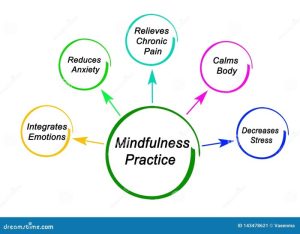
Mindfulness practices, such as meditation and deep breathing exercises, can help reduce stress and improve focus and mental clarity. By being present in the moment and practicing mindfulness regularly, individuals can enhance their energy levels and overall well-being.
- Engage in daily meditation sessions to calm the mind and reduce stress.
- Practice deep breathing exercises to increase oxygen flow to the brain and body.
- Take short breaks throughout the day to practice mindfulness and reset your mental state.
Role of Stress Management
Stress is a major energy drain and can significantly impact one’s mental well-being. Effective stress management techniques can help individuals maintain optimal energy levels and improve overall mental wellness.
- Engage in regular physical activity to release endorphins and reduce stress levels.
- Practice relaxation techniques, such as yoga or tai chi, to calm the mind and body.
- Set boundaries and prioritize tasks to reduce feelings of overwhelm and anxiety.
Physical Fitness
Regular exercise plays a crucial role in maintaining energy levels and overall well-being. By engaging in physical activities, you can boost your metabolism, improve circulation, and enhance your endurance, leading to sustained energy throughout the day.
Examples of Energizing Exercises
- Cardiovascular workouts like running, cycling, or dancing can increase your heart rate and oxygen flow, providing an instant energy boost.
- Strength training exercises such as weightlifting or bodyweight exercises help build muscle mass, which can improve your metabolism and energy levels in the long run.
- Yoga and Pilates focus on breathing techniques, flexibility, and mindfulness, promoting relaxation and reducing stress levels that can drain your energy.
Benefits of Combining Clean Eating with Physical Fitness
- Enhanced Energy Levels: Clean eating provides your body with essential nutrients, while regular exercise boosts circulation and oxygen flow, leading to sustained energy levels throughout the day.
- Improved Metabolism: A balanced diet combined with physical activity can help boost metabolism, allowing your body to efficiently convert food into energy.
- Better Mood and Mental Clarity: Exercise releases endorphins that can improve your mood, while clean eating supports brain health, enhancing mental clarity and focus.
Adequate Hydration: How To Maintain Energy Levels With Clean Eating
Staying hydrated is crucial for maintaining optimal energy levels throughout the day. Dehydration can lead to fatigue, lack of focus, and overall decreased performance.
Importance of Hydration
- Water is essential for various bodily functions, including metabolism and nutrient absorption.
- Proper hydration helps regulate body temperature and lubricate joints.
- Dehydration can lead to headaches, dizziness, and muscle cramps.
Impact on Energy and Health
- Drinking enough water can boost energy levels and improve overall cognitive function.
- Hydration plays a key role in maintaining healthy skin and aiding digestion.
- Proper water intake can help prevent kidney stones and urinary tract infections.
Tips for Adequate Hydration
- Carry a reusable water bottle with you throughout the day to ensure easy access to water.
- Set reminders to drink water at regular intervals, especially if you tend to forget.
- Include hydrating foods in your diet, such as fruits and vegetables with high water content.
- Aim to drink at least 8-10 glasses of water daily, and more if you are physically active.
Healthy Lifestyle
Maintaining a healthy lifestyle is crucial for supporting sustained energy levels throughout the day. By incorporating habits like regular sleep patterns and daily physical activity, you can optimize your overall well-being and productivity.
Regular Sleep Patterns
- Aim for 7-9 hours of quality sleep each night to allow your body to recharge and repair.
- Create a relaxing bedtime routine to signal to your body that it’s time to wind down.
- Avoid screens and stimulating activities before bed to promote better sleep quality.
Daily Activity
- Engage in at least 30 minutes of moderate exercise each day to boost energy levels and mood.
- Find activities you enjoy, whether it’s walking, yoga, dancing, or strength training.
- Incorporate movement throughout your day, such as taking short walks or stretching breaks.
Healthy Eating Habits
- Focus on a balanced diet rich in fruits, vegetables, whole grains, lean proteins, and healthy fats.
- Avoid processed foods, sugary snacks, and excessive caffeine consumption that can lead to energy crashes.
- Stay hydrated by drinking plenty of water throughout the day to maintain optimal energy levels.
Preventive Care
Maintaining energy levels and overall health goes beyond just eating right and exercising. Preventive care plays a crucial role in ensuring that you are at your best both physically and mentally. By taking proactive measures to prevent health issues, you can significantly impact your energy levels and quality of life.
The Role of Preventive Care
Preventive care involves regular health check-ups, screenings, and vaccinations to detect and prevent potential health issues before they become serious. These proactive measures can help identify risk factors early on and address them before they escalate, ultimately contributing to sustained energy levels and overall well-being.
- Regular Health Check-ups: Routine visits to healthcare providers can help monitor your health status, identify any underlying conditions, and address them promptly. By staying on top of your health through regular check-ups, you can maintain your energy levels and prevent any potential setbacks.
- Early Detection: Detecting health issues early on allows for timely interventions, which can prevent complications and the depletion of energy reserves. By addressing health concerns at their onset, you can ensure that your energy levels remain optimal.
- Prevention of Health Issues: Preventive care measures such as screenings and vaccinations can help prevent various health conditions, reducing the likelihood of experiencing fatigue or other energy-draining symptoms. By taking steps to prevent illnesses, you can preserve your energy levels and vitality.
Quality Sleep
Quality sleep plays a crucial role in maintaining optimal energy levels and overall well-being. It is during sleep that our bodies repair and rejuvenate, allowing us to wake up feeling refreshed and ready to tackle the day ahead.
Impact of Quality Sleep
Quality sleep is essential for various aspects of our health, including cognitive function, mood regulation, immune system support, and energy restoration. Lack of quality sleep can lead to fatigue, irritability, decreased concentration, and a weakened immune system.
- Aim for 7-9 hours of quality sleep each night to support your overall health and energy levels.
- Create a relaxing bedtime routine by avoiding screens, caffeine, and heavy meals before bed.
- Ensure your sleep environment is conducive to quality rest by keeping your bedroom cool, dark, and quiet.
- Practice stress-reducing techniques like meditation or deep breathing exercises to promote relaxation before bedtime.
Clean Eating and Quality Sleep
There is a strong connection between clean eating and quality sleep when it comes to restoring energy levels. Consuming a balanced diet rich in nutrients can positively impact your sleep quality, helping you fall asleep faster and stay asleep longer.
Avoiding heavy, greasy, or spicy foods close to bedtime can prevent disruptions in your sleep cycle, leading to a more restful night’s sleep.
Remember, prioritizing quality sleep is essential for maintaining high energy levels and overall well-being. By incorporating healthy sleep habits and clean eating into your lifestyle, you can optimize your energy restoration and feel your best every day.
Immune Boost
Ensuring a strong immune system is crucial for maintaining energy levels and overall well-being. A diet rich in nutrients plays a key role in boosting the immune system and providing the body with the energy it needs to function optimally.
Nutrient-Rich Foods for Immune Support and Energy Production
Consuming foods that are packed with essential vitamins, minerals, and antioxidants can help strengthen the immune system and enhance energy levels. Some examples of nutrient-rich foods that support immune function and energy production include:
- Dark leafy greens like spinach and kale, which are rich in vitamin C and antioxidants that help fight off infections and reduce inflammation.
- Citrus fruits such as oranges and lemons, which are high in vitamin C known for its immune-boosting properties.
- Lean proteins like chicken, turkey, and fish, which provide essential amino acids for muscle repair and energy production.
- Whole grains like quinoa and brown rice, which are a great source of complex carbohydrates for sustained energy levels.
- Healthy fats from sources like avocados, nuts, and seeds, which support cell function and provide long-lasting energy.
Cardio Health
Maintaining cardiovascular health is crucial for sustaining energy levels as the heart plays a vital role in pumping oxygen-rich blood throughout the body, providing essential nutrients and energy to cells.
Supporting Heart Health with Clean Eating
Eating a clean and balanced diet rich in fruits, vegetables, whole grains, lean proteins, and healthy fats can promote heart health. Foods high in antioxidants, omega-3 fatty acids, and fiber can help reduce inflammation, lower cholesterol levels, and support overall cardiovascular function.
Avoiding processed foods, excessive sugar, and unhealthy fats is key to maintaining a healthy heart and optimal energy production.
Incorporating Cardio Exercises
- Engage in aerobic activities such as running, cycling, swimming, or dancing to strengthen the heart muscle and improve circulation.
- Aim for at least 150 minutes of moderate-intensity cardio exercise per week to enhance cardiovascular health and boost energy levels.
- Incorporate interval training or high-intensity workouts to maximize cardiovascular benefits and increase stamina.
- Include activities like brisk walking, hiking, or stair climbing in your daily routine to stay active and support heart health.
Positive Mindset
Having a positive mindset can significantly impact our energy levels and overall health. When we approach life with optimism and a can-do attitude, we are more likely to tackle challenges with vigor and enthusiasm, leading to increased energy and vitality.
A positive mindset also helps reduce stress and anxiety, which are known energy drainers.
Strategies for Cultivating a Positive Outlook
- Acknowledge and challenge negative thoughts: Recognize negative thought patterns and replace them with positive affirmations.
- Practice gratitude: Regularly take time to appreciate the good things in your life and focus on what you are thankful for.
- Surround yourself with positive influences: Spend time with supportive and uplifting people who encourage you to stay positive.
- Engage in activities that bring you joy: Pursue hobbies and interests that make you happy and boost your mood.
Mindfulness Practices for a Positive Mindset
- Meditation: Dedicate time each day to quiet your mind, focus on the present moment, and cultivate a sense of calm.
- Deep breathing exercises: Practice deep breathing techniques to reduce stress, improve focus, and promote relaxation.
- Yoga: Incorporate yoga into your routine to enhance mindfulness, flexibility, and overall well-being.
- Gratitude journaling: Keep a journal where you write down things you are grateful for each day, fostering a positive outlook.
Daily Activity
Regular physical activity plays a crucial role in maintaining energy levels throughout the day. By incorporating movement into our daily routines, we can enhance our overall well-being and keep fatigue at bay.
Simple Activities to Boost Energy, How to maintain energy levels with clean eating
- Take a brisk walk: A quick walk around the block or even just around your workplace can help increase blood flow and oxygen to your brain, boosting alertness and energy levels.
- Stretch breaks: Incorporating stretching exercises throughout the day can relieve muscle tension, improve circulation, and help prevent feelings of sluggishness.
- Dance it out: Put on your favorite song and have a mini dance party to elevate your mood and energy levels instantly.
Benefits of Daily Movement
- Improved focus and productivity: Physical activity can sharpen cognitive function, making it easier to concentrate and stay on task.
- Enhanced mood: Exercise releases endorphins, the body’s natural mood boosters, helping to reduce stress and anxiety while promoting a positive mindset.
- Increased energy levels: Moving your body stimulates the production of energy-boosting hormones, keeping you feeling revitalized and alert throughout the day.
Holistic Health
Embracing a holistic approach to health is key to maintaining sustained energy levels. This method focuses on the interconnectedness of physical, mental, and emotional well-being to support overall vitality.
Benefits of Holistic Health
- Clean Eating: By nourishing your body with whole, nutrient-dense foods, you provide the necessary fuel for optimal energy levels.
- Exercise: Regular physical activity not only boosts physical health but also enhances mood and mental clarity, contributing to sustained energy.
- Self-Care Practices: Engaging in activities that promote relaxation and stress management, such as meditation or yoga, can help balance energy levels.
Health Education
Health education plays a crucial role in maintaining sustainable energy levels by providing individuals with the knowledge and understanding of how to make informed decisions about their nutrition and lifestyle habits.
Importance of Health Education
- Health education empowers individuals to make healthier choices that can positively impact their energy levels.
- It helps people understand the importance of a balanced diet, regular physical activity, and adequate hydration for sustaining energy throughout the day.
- By educating individuals about preventive care and the importance of quality sleep, health education can contribute to improved energy levels and overall well-being.
Impact of Nutrition Knowledge
- Understanding nutrition essentials such as macronutrients, micronutrients, and their roles in energy metabolism can help individuals make better food choices to support their energy levels.
- Knowledge about healthy eating habits, portion control, and meal timing can optimize energy levels and prevent energy crashes throughout the day.
- Health education on the importance of nutrient-dense foods and avoiding processed foods can boost energy levels and promote overall health.
Resources for Continuous Health Education
- Online platforms and websites offering reliable information on nutrition, fitness, and lifestyle habits can be valuable resources for continuous health education.
- Registered dietitians, health coaches, and wellness experts can provide personalized guidance and support for individuals looking to improve their energy levels through education.
- Books, podcasts, and reputable health organizations can also offer valuable insights and tips on maintaining energy levels through healthy habits and informed choices.
Self-Care
Self-care practices play a crucial role in maintaining energy levels and overall well-being. By taking time to prioritize self-care, individuals can replenish their energy reserves, prevent burnout, and promote a healthy balance in their lives.
Significance of Self-Care
Self-care routines are essential for recharging both the body and mind, allowing individuals to manage stress, improve focus, and boost productivity. Engaging in self-care activities helps reduce feelings of overwhelm and exhaustion, leading to increased energy levels and a positive outlook on life.
Examples of Self-Care Activities
- Practicing mindfulness and meditation to calm the mind and reduce stress.
- Engaging in regular exercise to boost endorphins and increase energy levels.
- Setting boundaries and saying no to activities that drain energy without providing fulfillment.
- Getting adequate rest and quality sleep to allow the body to recharge and recover.
- Indulging in hobbies and activities that bring joy and relaxation.
Chronic Disease
Chronic diseases are long-term conditions that often require ongoing management to control symptoms and prevent complications. These conditions can significantly impact energy levels, leading to fatigue and decreased quality of life.
Relationship Between Chronic Disease Management and Energy Levels
Proper management of chronic diseases is crucial for maintaining optimal energy levels. When these conditions are not well-controlled, they can cause inflammation, hormonal imbalances, and other disruptions in the body that contribute to fatigue and low energy levels.
- Clean Eating and Healthy Habits: Adopting a clean eating approach and incorporating healthy habits such as regular exercise and stress management can help in managing chronic diseases like diabetes, hypertension, and autoimmune disorders. By reducing inflammation and supporting overall health, clean eating can improve energy levels.
- Preventive Measures: Preventive care, including routine check-ups, screenings, and vaccinations, is essential in managing chronic diseases. Early detection and intervention can prevent complications that may drain energy resources.
- Proper Nutrition: Following a balanced diet rich in fruits, vegetables, whole grains, lean proteins, and healthy fats can provide the necessary nutrients to support the body in managing chronic conditions. Nutrient deficiencies can exacerbate symptoms and contribute to fatigue.
Conclusive Thoughts
In conclusion, adopting a clean eating lifestyle can be a game-changer in maintaining high energy levels and overall well-being. By incorporating the tips and strategies Artikeld in this guide, you can take significant steps towards a healthier and more energetic life.
FAQ Compilation
How can clean eating help in sustaining energy levels?
Clean eating provides the body with essential nutrients and avoids processed foods that can cause energy crashes, resulting in more stable energy levels throughout the day.
Is it necessary to combine clean eating with physical fitness for energy maintenance?
While clean eating plays a significant role in energy levels, combining it with regular exercise can further enhance vitality and overall well-being.
How does quality sleep contribute to energy restoration alongside clean eating?
Quality sleep allows the body to repair and rejuvenate, complementing the effects of clean eating in providing sustained energy levels.