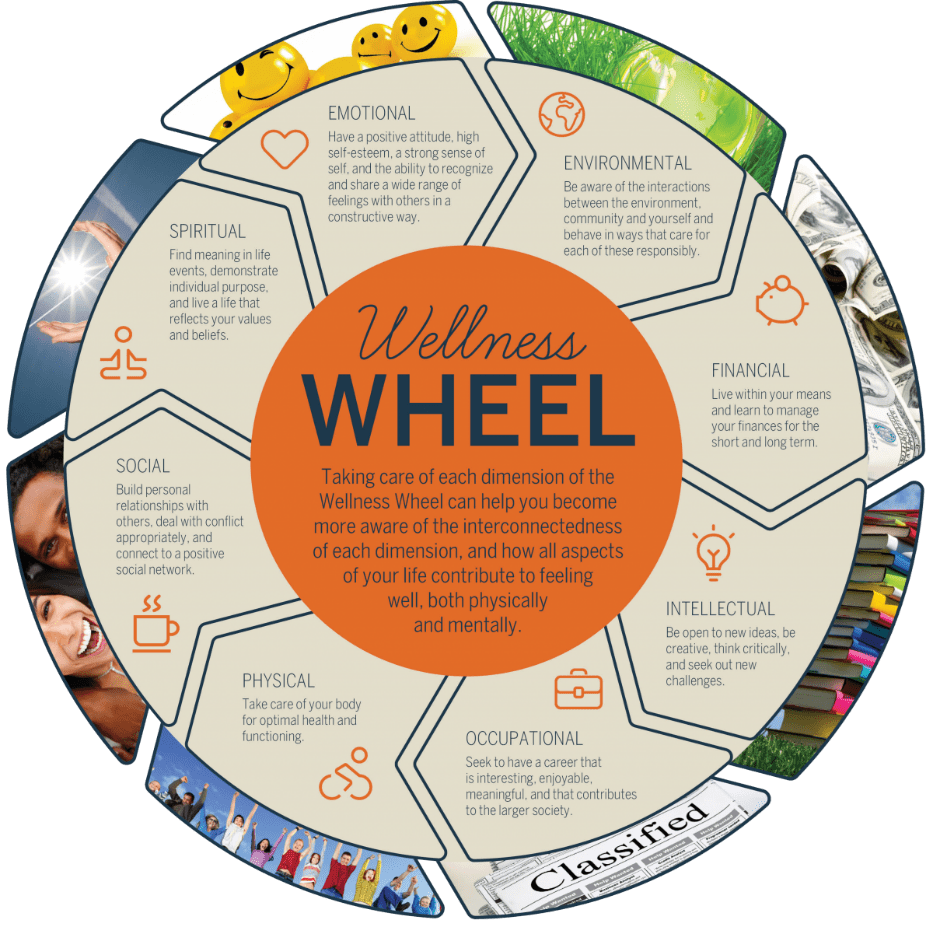
Delving into Strategies for enhancing mental wellness through social connections, this introduction immerses readers in a unique and compelling narrative. Social connections play a vital role in mental well-being, shaping our experiences and emotions in profound ways. As we explore the power of these connections, we uncover valuable insights into how our relationships impact our overall mental health.
As we navigate through the strategies Artikeld, we will gain a deeper understanding of how fostering meaningful connections can lead to a happier and more fulfilling life.
Strategies for enhancing mental wellness through social connections
Social connections play a crucial role in maintaining and enhancing mental wellness. Human beings are social creatures by nature, and interactions with others can have a profound impact on our overall well-being.
The Importance of Social Connections in Mental Wellness
Building and nurturing relationships with family, friends, colleagues, and community members can provide a sense of belonging and support. These connections can act as a buffer against stress, anxiety, and depression, ultimately improving mental health.
- Regular social interactions can boost self-esteem and confidence, helping individuals feel valued and appreciated.
- Sharing experiences, thoughts, and emotions with others can foster a sense of connection and reduce feelings of loneliness and isolation.
- Engaging in social activities can promote a sense of purpose and meaning in life, enhancing overall satisfaction and happiness.
Examples of How Social Interactions Positively Impact Mental Health
Research has shown that individuals with strong social support systems tend to have better mental health outcomes. For example, participating in group activities or support networks can provide a sense of camaraderie and understanding, leading to improved emotional well-being.
Studies have indicated that social connections can help lower the risk of developing mental health disorders such as depression and anxiety.
Building and Maintaining Relationships for Overall Well-being
Investing time and effort in cultivating relationships can have long-lasting benefits for mental wellness. Whether it’s reaching out to a friend for a chat, attending social gatherings, or volunteering in the community, every interaction can contribute to a healthier state of mind.
- Regular communication with loved ones can strengthen bonds and create a support system during challenging times.
- Joining clubs or groups based on common interests can provide opportunities to meet new people and expand social circles, fostering a sense of belonging.
- Seeking professional help or therapy can also be a valuable way to improve social skills and address any underlying issues that may be impacting social connections.
Balanced Diet
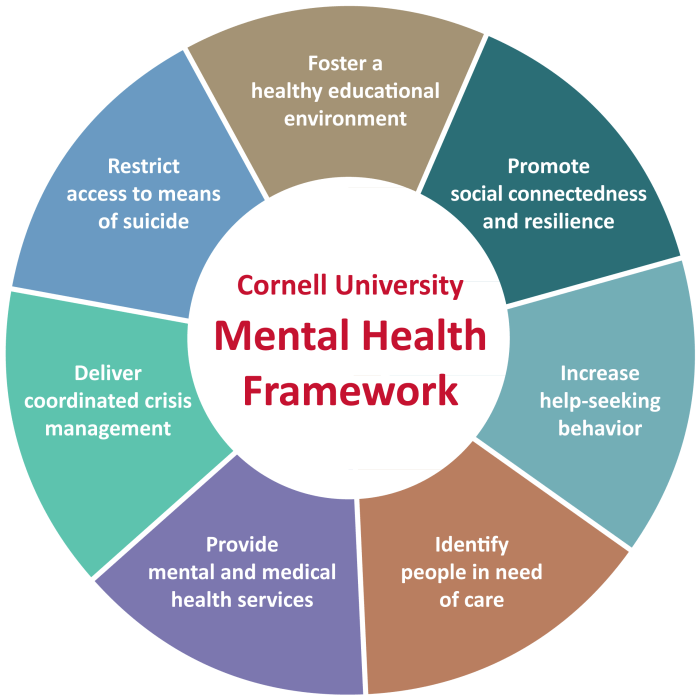
A balanced diet plays a crucial role in maintaining good mental health. The nutrients we consume affect our brain function, mood, and overall emotional well-being.
Nutrient-rich foods that support cognitive function
Eating nutrient-rich foods can help support cognitive function and overall brain health. Some examples of foods that are beneficial for cognitive function include:
- Fatty fish such as salmon, trout, and sardines, which are rich in omega-3 fatty acids essential for brain health.
- Blueberries, which are high in antioxidants that may help improve memory.
- Broccoli, a great source of vitamin K, which is known to enhance cognitive function.
- Pumpkin seeds, which are rich in zinc, iron, and magnesium, important minerals for brain health.
Impact of proper nutrition on mood and emotional well-being
Proper nutrition not only affects our physical health but also has a significant impact on our mood and emotional well-being. Consuming a diet rich in fruits, vegetables, whole grains, and lean proteins can help stabilize blood sugar levels and promote the production of neurotransmitters that regulate mood.
On the other hand, diets high in processed foods, sugar, and unhealthy fats have been linked to increased risk of depression and anxiety.
Physical Fitness
Regular physical activity is not only beneficial for our physical health but also plays a crucial role in improving our mental wellness. The link between physical fitness and mental well-being is well-documented, with exercise being known to reduce symptoms of anxiety and depression, boost mood, and improve overall cognitive function.
Examples of Exercises
- Cardiovascular exercises like running, swimming, or cycling can help release endorphins, also known as “feel-good” hormones, which can reduce stress and anxiety.
- Strength training exercises like weightlifting or bodyweight exercises can improve self-esteem and confidence, leading to a more positive outlook on life.
- Yoga and Pilates are great for reducing stress, increasing mindfulness, and promoting relaxation, which can all contribute to better mental health.
Benefits of Regular Physical Activity
Regular physical activity not only improves mental health but also has a range of benefits on overall well-being:
- Improved sleep quality, leading to better rest and rejuvenation for the mind and body.
- Increased energy levels and stamina, which can help combat feelings of fatigue and lethargy often associated with mental health issues.
- Enhanced focus and concentration, allowing for better productivity and cognitive function throughout the day.
- Reduced risk of chronic diseases like heart disease, diabetes, and obesity, which can have a significant impact on mental well-being.
Adequate Hydration: Strategies For Enhancing Mental Wellness Through Social Connections
Staying hydrated is crucial for maintaining good mental health. Dehydration can have a significant impact on cognitive function and mood, making it essential to prioritize adequate hydration levels throughout the day.
Importance of Hydration for Mental Health
Proper hydration is essential for optimal brain function. The brain is made up of about 75% water, and even mild dehydration can lead to decreased cognitive abilities, difficulty concentrating, and impaired memory.
Additionally, staying hydrated helps regulate mood and can reduce feelings of anxiety and stress. Dehydration can exacerbate feelings of irritability and fatigue, affecting overall mental well-being.
Tips for Maintaining Hydration Levels
- Carry a reusable water bottle with you throughout the day to remind yourself to drink water regularly.
- Set specific goals for water intake, such as drinking a glass of water before each meal or snack.
- Infuse your water with fruits or herbs to add flavor and make it more enjoyable to drink.
- Avoid excessive consumption of caffeinated or alcoholic beverages, as they can contribute to dehydration.
- Monitor the color of your urine as a simple indicator of hydration levels – clear or light-colored urine usually indicates proper hydration.
Stress Management
Stress is a common part of life that can have a significant impact on mental wellness and overall health. Therefore, it is essential to adopt effective strategies to manage stress and promote relaxation.
Strategies for Managing Stress Effectively
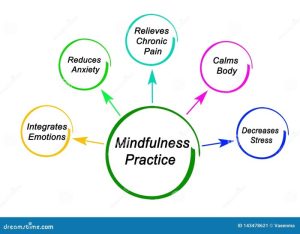
- Practice mindfulness and meditation to help calm the mind and reduce stress levels.
- Engage in regular physical exercise, such as yoga or walking, to release tension and boost endorphins.
- Establish healthy boundaries and learn to say no to excessive demands or commitments.
- Seek social support from friends, family, or a therapist to talk about your feelings and concerns.
Techniques for Reducing Stress and Promoting Relaxation
- Deep breathing exercises can help regulate breathing patterns and induce a sense of calmness.
- Progressive muscle relaxation involves tensing and releasing muscle groups to promote physical and mental relaxation.
- Engage in hobbies or activities that bring joy and allow for creative expression.
- Set aside time for self-care activities like taking a warm bath, reading a book, or listening to music.
Impact of Stress on Mental Wellness and Overall Health, Strategies for enhancing mental wellness through social connections
Stress can negatively impact mental wellness by contributing to anxiety, depression, and other mental health conditions. Additionally, chronic stress can weaken the immune system, increase the risk of heart disease, and lead to other serious health issues. Therefore, managing stress effectively is crucial for maintaining overall well-being.
Quality Sleep
Quality sleep plays a crucial role in maintaining good mental well-being. When we get enough restful sleep, our brain can properly process emotions, consolidate memories, and regulate mood. On the other hand, sleep deprivation can have detrimental effects on our mental health, leading to increased irritability, difficulty concentrating, and heightened stress levels.
Tips for Improving Sleep Hygiene and Getting Better Rest
- Establish a consistent sleep schedule by going to bed and waking up at the same time every day, even on weekends.
- Create a relaxing bedtime routine to signal to your body that it’s time to wind down, such as reading a book or taking a warm bath.
- Avoid electronic devices before bed as the blue light can interfere with the production of melatonin, the hormone that regulates sleep.
- Ensure your sleep environment is conducive to rest by keeping your bedroom dark, quiet, and cool.
- Avoid consuming caffeine, nicotine, or heavy meals close to bedtime, as they can disrupt your sleep.
Effects of Sleep Deprivation on Mental Health
Sleep deprivation can have a significant impact on mental health, leading to:
- Increased risk of developing anxiety and depression
- Impaired cognitive function, such as memory and decision-making
- Exacerbated stress levels and emotional reactivity
- Decreased ability to cope with daily challenges
Daily Activity
Regular physical activity plays a crucial role in promoting mental wellness. Engaging in daily activities can help reduce stress, improve mood, and boost overall well-being.
Importance of Daily Activity for Mental Wellness
Daily activity, such as walking, jogging, or yoga, helps release endorphins, also known as “feel-good” hormones, which can elevate mood and reduce symptoms of anxiety and depression. Physical exercise can also improve cognitive function, increase self-esteem, and provide a sense of accomplishment, all of which contribute to better mental health.
Examples of Simple Activities for Positive Impact
- Going for a brisk walk in nature
- Taking a dance or fitness class
- Practicing mindfulness through yoga or meditation
- Gardening or doing household chores
How Daily Movement Contributes to Overall Well-being
Regular physical activity not only benefits mental health but also improves physical health by reducing the risk of chronic conditions such as heart disease, diabetes, and obesity. Movement helps increase energy levels, improve sleep quality, and enhance overall quality of life.
By incorporating daily activity into your routine, you can experience a holistic approach to well-being that encompasses both mind and body.
Self-Care
Self-care practices play a crucial role in enhancing mental wellness by focusing on taking care of oneself physically, emotionally, and mentally. Prioritizing self-care allows individuals to recharge, manage stress, and maintain overall well-being.
Self-Care Tips
- Set boundaries: Learn to say no when necessary to avoid overextending yourself and causing burnout.
- Practice mindfulness: Engage in activities such as meditation or deep breathing exercises to stay present and reduce anxiety.
- Stay active: Regular physical activity not only benefits your physical health but also boosts your mood and reduces stress.
- Get enough sleep: Prioritize quality sleep to rejuvenate your body and mind, promoting better focus and emotional balance.
- Connect with loved ones: Social connections are essential for mental wellness, so make time for meaningful relationships.
Importance of Prioritizing Self-Care
By prioritizing self-care, individuals can prevent burnout, reduce the risk of mental health issues, and improve their overall quality of life. Taking time to care for oneself allows for better emotional balance, increased resilience, and a stronger sense of well-being.
Ending Remarks
In conclusion, the key to enhancing mental wellness through social connections lies in nurturing and cherishing the relationships that uplift and support us. By prioritizing our social well-being, we pave the way for a healthier mind and a more vibrant life.
FAQ
How do social connections impact mental wellness?
Social connections provide emotional support, reduce feelings of isolation, and boost overall mental well-being.
What are some simple ways to enhance social connections?
Engage in social activities, reach out to friends and family, join clubs or groups with similar interests.
Can online social connections have the same impact as in-person interactions?
While online connections can provide support, in-person interactions often have a stronger positive impact on mental wellness.