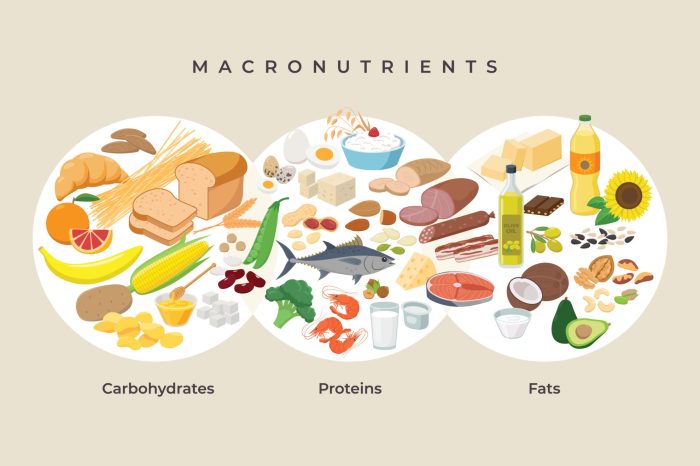
How to balance carbs, fats, and proteins in a diet for athletes sets the stage for optimal performance and endurance. Dive into the world of macronutrients with this guide, offering a blend of expertise and practical tips to fuel your athletic journey.
Explore the intricate dance of carbs, fats, and proteins in an athlete’s diet, understanding their significance and impact on overall performance.
Importance of Balancing Carbs, Fats, and Proteins in Athletes’ Diet
Balancing carbs, fats, and proteins is essential for athletes to optimize their performance and recovery. Each macronutrient plays a crucial role in supporting the energy needs and muscle repair of individuals who engage in intense physical activities.Carbohydrates are the primary source of energy for athletes, especially during high-intensity workouts or competitions.
They fuel muscles and provide the necessary glycogen stores for sustained performance. Without an adequate intake of carbs, athletes may experience fatigue, decreased endurance, and compromised speed and strength.Fats are another important component of an athlete’s diet, serving as a concentrated source of energy and aiding in the absorption of fat-soluble vitamins.
Healthy fats, such as those found in avocados, nuts, and olive oil, can support overall health and provide a steady source of energy during prolonged exercise sessions.Proteins are crucial for muscle repair, growth, and maintenance. Athletes need higher protein intake to support muscle recovery after intense training sessions.
Consuming enough protein can help prevent muscle breakdown, promote muscle synthesis, and enhance overall athletic performance.Incorporating a balanced mix of carbs, fats, and proteins in their diet allows athletes to meet their energy requirements, support muscle function, and optimize their physical performance.
Guidelines for Balancing Carbs, Fats, and Proteins: How To Balance Carbs, Fats, And Proteins In A Diet For Athletes
To optimize athletic performance, it is essential to follow specific guidelines when balancing carbs, fats, and proteins in your diet. These macronutrients play a crucial role in providing energy, supporting muscle growth and repair, and overall recovery.
Recommended Ratios of Macronutrients
- Carbohydrates: Approximately 45-65% of total caloric intake should come from carbohydrates. This provides the necessary fuel for energy during exercise.
- Fats: Around 20-35% of total caloric intake should be from healthy fats. Fats are essential for hormone production and absorption of fat-soluble vitamins.
- Proteins: Athletes should aim for 10-35% of total caloric intake from proteins. Protein is crucial for muscle repair, growth, and recovery.
Calculating Macronutrient Intake, How to balance carbs, fats, and proteins in a diet for athletes
Carbohydrates provide 4 calories per gram, fats provide 9 calories per gram, and proteins provide 4 calories per gram.
To calculate the appropriate intake of each macronutrient, determine your total caloric needs based on your activity level and goals. Then, apply the recommended percentage ranges to calculate the grams of each macronutrient needed.
Timing of Macronutrient Consumption
- Carbs: Consume a meal with carbohydrates 2-3 hours before a workout to fuel your muscles. Also, include carbs in your post-workout meal to replenish glycogen stores.
- Fats: Incorporate healthy fats throughout the day, but avoid consuming high-fat meals right before exercise as they can slow digestion.
- Proteins: Include protein in every meal and snack to support muscle repair and growth. Consume a protein-rich snack or meal within 30 minutes after a workout to optimize recovery.
Sources of Carbs, Fats, and Proteins for Athletes
Carbohydrates, fats, and proteins are essential macronutrients that play a crucial role in fueling and supporting athletic performance. Here are some nutrient-rich sources of each that are suitable for athletes:
Carbohydrates
Carbohydrates are the body’s primary source of energy, especially during exercise. Athletes should focus on consuming complex carbohydrates that provide sustained energy. Some examples of nutrient-rich carbohydrate sources suitable for athletes include:
- Whole grains such as brown rice, quinoa, and oats
- Fruits like bananas, berries, and oranges
- Vegetables such as sweet potatoes, spinach, and bell peppers
- Legumes like lentils, chickpeas, and black beans
Fats
Healthy fats are important for athletes as they provide a concentrated source of energy and support overall health. Athletes should include sources of unsaturated fats in their diet for sustained energy. Some examples of healthy fats suitable for athletes include:
- Avocados
- Nuts and seeds like almonds, walnuts, and chia seeds
- Fatty fish such as salmon, mackerel, and sardines
- Olive oil and coconut oil
Proteins
Protein is crucial for muscle recovery and repair in athletes, especially after intense training sessions. Athletes should consume high-quality protein sources to support muscle growth and repair. Some examples of protein-rich foods suitable for athletes include:
- Lean meats like chicken, turkey, and lean cuts of beef
- Eggs and dairy products like Greek yogurt and cottage cheese
- Plant-based sources such as tofu, tempeh, and edamame
- Protein supplements like whey protein powder or plant-based protein powder
Meal Planning Tips for Athletes
Athletes require a well-balanced diet to fuel their performance and aid in recovery. Meal planning plays a crucial role in ensuring they get the right combination of carbs, fats, and proteins to meet their nutritional needs.
Creating Balanced Meals
- Include a lean protein source like chicken, fish, tofu, or legumes in every meal to support muscle repair and growth.
- Incorporate complex carbohydrates such as whole grains, fruits, and vegetables to provide sustained energy throughout the day.
- Add healthy fats like avocados, nuts, seeds, and olive oil to support hormone production and nutrient absorption.
Importance of Meal Timing and Frequency
- Eat a balanced meal or snack containing carbs and protein within 30 minutes to 2 hours after a workout to replenish glycogen stores and promote muscle recovery.
- Opt for smaller, more frequent meals throughout the day to maintain energy levels and prevent dips in performance.
Meal Prep Ideas
- Batch cook lean proteins, whole grains, and roasted vegetables at the beginning of the week for quick and easy meal assembly.
- Prepare portable snacks like Greek yogurt with berries, trail mix, or protein bars to have on hand during training sessions or competitions.
The Impact of a Balanced Diet on Athletic Performance
A well-balanced diet plays a crucial role in enhancing athletic performance in various ways. Proper nutrition can significantly improve endurance, strength, and overall athletic abilities. Let’s explore how a balanced diet can positively impact athletes.
Enhanced Endurance and Strength
Proper macronutrient balance, including carbs, fats, and proteins, provides athletes with the energy they need to sustain long periods of physical activity. Carbohydrates are the primary source of energy for muscles during exercise, while proteins support muscle repair and growth.
Fats are essential for long-lasting energy and overall health. When these nutrients are balanced correctly in a diet, athletes experience improved endurance and strength during training and competitions.
Recovery Post-Exercise
After intense exercise, the body requires proper nutrition to recover effectively. Consuming the right balance of carbs, fats, and proteins post-workout helps replenish glycogen stores, repair muscle tissues, and reduce inflammation. This leads to faster recovery times, allowing athletes to bounce back quickly and perform at their best in subsequent workouts or events.
Injury Prevention and Longevity
A balanced diet rich in essential nutrients can also help reduce the risk of injuries and promote overall athletic longevity. Adequate protein intake supports muscle strength and resilience, while healthy fats aid in joint health and inflammation reduction. Proper nutrition strengthens the immune system, making athletes less susceptible to illnesses that could hinder their training progress.
By maintaining a balanced diet, athletes can enhance their physical resilience, reduce the likelihood of injuries, and prolong their athletic careers.
Additional Factors for Optimal Athletic Performance
Proper nutrition is key to achieving peak athletic performance, but there are additional factors that play a crucial role in ensuring athletes reach their full potential.
The Role of Hydration
Maintaining adequate hydration is essential for athletes as it impacts overall performance and recovery. Dehydration can lead to fatigue, decreased focus, and impaired physical function. Athletes should aim to drink water regularly throughout the day and replenish fluids lost during training sessions or competitions.
The Importance of Regular Exercise
Regular exercise is vital for optimizing the utilization of carbs, fats, and proteins in the body. Physical activity helps improve metabolism, build muscle mass, and enhance endurance. Athletes should incorporate a well-rounded training program that includes cardiovascular, strength, and flexibility exercises to support their nutritional goals.
Quality Sleep and Stress Management
Quality sleep and stress management are often overlooked but are crucial for overall performance and recovery. Adequate rest allows the body to repair and rebuild muscle tissue, while managing stress levels can help prevent burnout and improve mental focus. Athletes should prioritize getting 7-9 hours of quality sleep each night and incorporate relaxation techniques such as meditation or deep breathing to manage stress effectively.
Ultimate Conclusion
In conclusion, mastering the art of balancing carbs, fats, and proteins is key to unlocking your athletic potential. With the right knowledge and choices, you can fuel your body effectively and elevate your performance to new heights.
General Inquiries
How can I determine the right balance of carbs, fats, and proteins for my athletic goals?
To find the ideal balance, consider consulting a nutritionist who can tailor a plan based on your specific needs and training regimen.
Are there any particular foods that are best for pre-workout fuel?
Opt for easily digestible carbs like bananas or toast with a source of lean protein to provide sustained energy without causing digestive discomfort.
What role does hydration play in maintaining macronutrient balance?
Hydration is crucial for nutrient absorption and overall performance. Ensure you’re drinking enough water throughout the day to support your diet.