How to design a fitness plan for muscle building sets the stage for achieving your muscle-building goals with a strategic roadmap tailored to your needs.
From understanding the importance of a balanced diet to incorporating mental wellness strategies, this guide covers all aspects essential for maximizing muscle growth.
Balanced Diet
Eating a balanced diet is crucial when designing a fitness plan for muscle building. It provides the necessary nutrients to support muscle growth and repair, as well as overall health and well-being.
Key Nutrients for Muscle Growth
- Protein: Protein is essential for muscle repair and growth. It provides the building blocks (amino acids) needed for muscle synthesis.
- Carbohydrates: Carbs are the body’s primary source of energy, especially during workouts. They replenish glycogen stores and support muscle function.
- Fats: Healthy fats are important for hormone production and overall health. They also provide a concentrated source of energy.
Mental Wellness
Maintaining mental wellness is crucial when it comes to building muscle and achieving fitness goals. Our mindset plays a significant role in how we approach workouts, nutrition, and overall wellness. A positive mindset can lead to better focus, determination, and consistency in our fitness journey.
Strategies for Maintaining a Positive Mindset
- Acknowledge progress: Celebrate small victories along the way to stay motivated and positive.
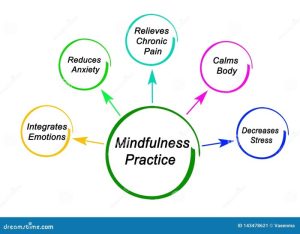
- Practice mindfulness: Engage in activities like meditation or deep breathing to reduce stress and stay present.
- Set realistic goals: Establish achievable milestones to avoid feeling overwhelmed or discouraged.
- Surround yourself with support: Seek encouragement from friends, family, or a fitness community to stay motivated.
- Stay adaptable: Embrace challenges and setbacks as opportunities for growth and learning.
Connection Between Mental Health and Physical Performance
Mental health and physical performance are closely intertwined. When we are stressed, anxious, or fatigued, it can impact our physical capabilities and hinder muscle building progress. High levels of cortisol, the stress hormone, can lead to muscle breakdown and decreased recovery.
On the other hand, a positive mindset can enhance focus, energy levels, and overall performance during workouts. By prioritizing mental wellness, individuals can optimize their physical gains and reach their fitness goals more effectively.
Physical Fitness
Physical fitness plays a crucial role in any muscle-building plan as it helps you improve strength, endurance, and overall performance. By incorporating specific exercises tailored to muscle growth, you can maximize your results and achieve your goals effectively.
Effective Muscle-Building Exercises
When designing a fitness plan for muscle building, it is essential to include exercises that target major muscle groups and promote hypertrophy. Some effective muscle-building exercises include:
- Squats: A compound exercise that targets the lower body, especially the quadriceps, hamstrings, and glutes.
- Deadlifts: Another compound exercise that engages multiple muscle groups, including the back, legs, and core.
- Bench Press: Ideal for building upper body strength and targeting the chest, shoulders, and triceps.
- Pull-Ups: Great for developing back and arm muscles while also engaging the core.
- Overhead Press: Focuses on the shoulders and arms, helping to build overall upper body strength.
Progressive overload is a fundamental principle in muscle building, which involves gradually increasing the weight, reps, or intensity of your workouts to continually challenge your muscles and stimulate growth.
Adequate Hydration
Staying hydrated is crucial for muscle growth as water plays a vital role in various bodily functions, including nutrient transportation, temperature regulation, and muscle contractions. Dehydration can hinder muscle recovery, decrease strength, and impair overall performance.
Importance of Hydration for Muscle Growth
Proper hydration is essential for muscle growth as it helps to maintain muscle function and performance during workouts. Water facilitates the delivery of nutrients to muscle cells and aids in the removal of waste products, allowing muscles to recover and grow effectively.
- Drink water before, during, and after workouts to maintain hydration levels.
- Monitor urine color – pale yellow indicates proper hydration while dark yellow may signal dehydration.
- Calculate your daily water intake by dividing your body weight in pounds by 2 to get the number of ounces of water to consume.
- Include hydrating foods in your diet, such as fruits and vegetables, to supplement water intake.
Impact of Dehydration on Muscle Performance
Dehydration can significantly impact muscle performance by reducing strength, endurance, and overall workout capacity. When dehydrated, the body struggles to regulate temperature, leading to fatigue, muscle cramps, and decreased exercise efficiency.
Remember to drink water consistently throughout the day, not just during workouts, to maintain optimal hydration levels for muscle growth and performance.
Regular Exercise
Regular exercise plays a crucial role in muscle building as it helps stimulate muscle growth, increase strength, and improve overall fitness levels. Consistent workouts create micro-tears in the muscle fibers, which then repair and grow stronger during recovery. It is essential to have a well-rounded workout schedule to target different muscle groups and prevent plateauing.
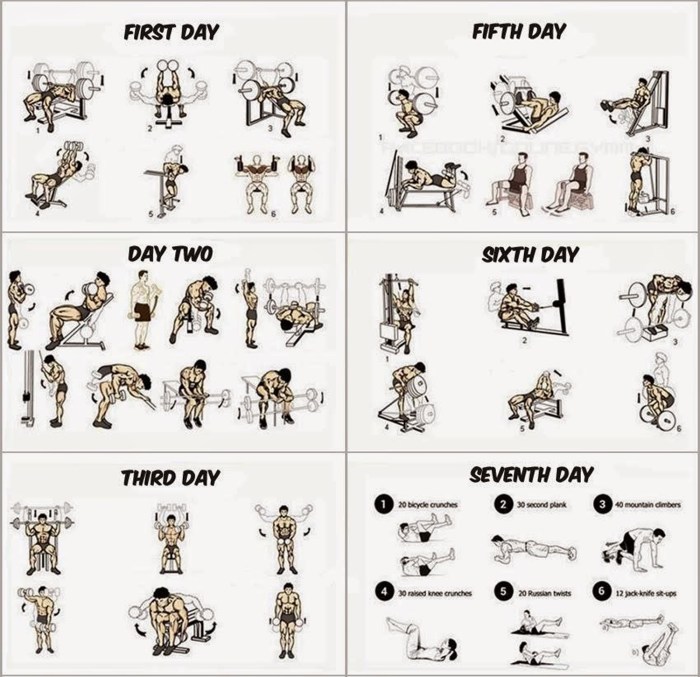
Sample Workout Schedule for Muscle Growth
- Day 1: Chest and Triceps (e.g., bench press, tricep dips)
- Day 2: Back and Biceps (e.g., pull-ups, bicep curls)
- Day 3: Rest or light cardio
- Day 4: Legs (e.g., squats, lunges)
- Day 5: Shoulders and Abs (e.g., shoulder press, planks)
- Day 6: Rest or light cardio
- Day 7: Full Body (e.g., deadlifts, push-ups)
It is important to adjust the weight and intensity of the exercises as you progress to continue challenging your muscles and promoting growth.
Importance of Rest Days in a Fitness Plan
Rest days are crucial in a fitness plan as they allow the muscles to repair and recover from the stress of exercise. Overtraining without adequate rest can lead to fatigue, increased risk of injury, and hindered muscle growth. It is recommended to have at least 1-2 rest days per week to ensure proper recovery and optimize the results of your workouts.
Healthy Lifestyle
Maintaining a healthy lifestyle is crucial for supporting muscle building and overall well-being. By incorporating healthy habits into your daily routine, you can optimize your fitness journey and reap long-term benefits beyond just muscle growth.
Components of a Healthy Lifestyle for Muscle Building
- Proper Sleep: Quality sleep is essential for muscle recovery and growth. Aim for 7-9 hours of restful sleep each night.
- Stress Management: Chronic stress can hinder muscle gains. Incorporate relaxation techniques such as deep breathing, meditation, or yoga into your routine.
- Social Connections: Building strong relationships and a supportive social network can positively impact your mental well-being, which in turn can enhance your physical performance.
- Sunlight Exposure: Vitamin D from sunlight plays a role in muscle strength. Spend time outdoors regularly to ensure adequate sunlight exposure.
Tips for Incorporating Healthy Habits
- Meal Prep: Plan and prepare nutritious meals in advance to avoid unhealthy food choices when pressed for time.
- Stay Hydrated: Drink plenty of water throughout the day to support muscle function and overall health.
- Move Regularly: Incorporate movement into your daily routine, whether it’s taking a walk, stretching, or engaging in light physical activity.
Benefits of Maintaining a Healthy Lifestyle
- Improved Energy Levels: A healthy lifestyle can boost your energy levels, allowing you to perform better during workouts and daily activities.
- Enhanced Mental Clarity: Mental well-being is closely linked to physical health. By maintaining a healthy lifestyle, you can experience improved focus and cognitive function.
- Reduced Risk of Chronic Diseases: Adopting healthy habits can lower your risk of developing chronic conditions such as heart disease, diabetes, and obesity.
Nutrient-Rich
In order to design an effective fitness plan for muscle building, it is crucial to focus on consuming nutrient-rich foods that support muscle growth and recovery.Nutrient-rich foods are those that provide a high concentration of essential nutrients relative to the number of calories they contain.
These foods are essential for muscle building as they fuel the body with the necessary nutrients needed for muscle repair, growth, and recovery.
Examples of Nutrient-Dense Foods for Muscle Recovery
Some examples of nutrient-dense foods that support muscle recovery include:
- Lean sources of protein such as chicken, turkey, fish, tofu, and legumes
- Complex carbohydrates like sweet potatoes, quinoa, brown rice, and whole grains
- Healthy fats from sources like avocados, nuts, seeds, and olive oil
- Colorful fruits and vegetables rich in antioxidants and vitamins
- Dairy or dairy alternatives for calcium and vitamin D
These foods provide the necessary macronutrients and micronutrients to aid in muscle repair and growth, making them essential components of a muscle-building diet.
Importance of Micronutrients in a Muscle-Building Diet
Micronutrients, such as vitamins and minerals, play a vital role in supporting muscle health and function. They help with energy production, muscle contraction, and overall recovery. Some important micronutrients for muscle building include:
- Vitamin D for bone health and muscle function
- Magnesium for muscle relaxation and energy production
- Zinc for immune function and protein synthesis
- Iron for oxygen transport and muscle endurance
- Vitamin C for collagen production and tissue repair
Including a variety of nutrient-dense foods rich in these micronutrients is essential for optimizing muscle-building efforts and overall health.
Stress Management
Stress management is a crucial aspect of overall health and well-being, especially when it comes to muscle-building progress. High levels of stress can have a negative impact on your body’s ability to build and maintain muscle mass.
Impact of Stress on Muscle-building Progress
- Increased levels of the stress hormone cortisol can lead to muscle breakdown and hinder muscle growth.
- Chronic stress can disrupt sleep patterns, which are essential for muscle recovery and growth.
- Stress can also affect appetite and food choices, potentially leading to poor nutrition and hindered muscle development.
Strategies for Managing Stress Effectively
- Regular exercise, such as yoga or meditation, can help reduce stress levels and promote relaxation.
- Practice deep breathing techniques or mindfulness to calm the mind and lower stress hormones.
- Prioritize sleep and establish a consistent bedtime routine to improve sleep quality and aid in stress management.
- Engage in activities you enjoy, such as hobbies or spending time with loved ones, to reduce stress and improve overall well-being.
Connection Between Stress Management and Physical Performance
- Effective stress management can enhance physical performance by improving recovery time and overall energy levels.
- Reducing stress can lead to better focus and concentration during workouts, resulting in more productive training sessions.
- Improved stress management can also prevent burnout and overtraining, allowing for consistent progress in muscle-building goals.
Preventive Care
Proper preventive care is crucial when it comes to designing a muscle-building plan. It helps in avoiding injuries, maintaining muscle health, and ensuring long-term success in achieving fitness goals.
Importance of Preventive Care
- Preventive care plays a vital role in reducing the risk of injuries that can derail your muscle-building progress.
- By incorporating preventive measures, you can enhance muscle recovery, promote better muscle growth, and prevent setbacks.
- Regular preventive care can also improve overall performance, reduce muscle fatigue, and enhance workout efficiency.
Role of Injury Prevention
- Proper warm-up and cool-down routines can help in preventing muscle strains and injuries during workouts.
- Using correct form and technique while lifting weights is essential to avoid muscle imbalances and injuries.
- Listening to your body, avoiding overtraining, and incorporating rest days are crucial in preventing muscle overuse injuries.
Tips for Preventive Care Measures
- Include mobility exercises and stretching in your workout routine to improve flexibility and reduce the risk of injuries.
- Stay hydrated before, during, and after workouts to support muscle function and prevent cramps.
- Ensure adequate sleep and recovery to allow your muscles to repair and grow effectively.
- Regularly assess your workout progress, adjust intensity levels, and seek guidance from a fitness professional to prevent overtraining.
Proper Nutrition
Proper nutrition plays a crucial role in muscle recovery and growth. It provides the essential nutrients needed to repair and build muscle tissue, ensuring optimal results from your workouts.
Significance of Proper Nutrition for Muscle Recovery
- Eating a balanced diet with adequate protein, carbohydrates, and healthy fats is key to supporting muscle recovery.
- Protein is especially important as it provides the building blocks (amino acids) necessary for muscle repair and growth.
- Consuming enough calories to meet your energy needs is essential for fueling your workouts and supporting recovery.
- Adequate intake of vitamins and minerals helps optimize muscle function and overall health.
Guidelines for Meal Planning to Support Muscle Growth
- Include a source of lean protein in every meal, such as chicken, fish, tofu, or legumes.
- Incorporate complex carbohydrates like whole grains, fruits, and vegetables to provide sustained energy for workouts.
- Add healthy fats from sources like avocados, nuts, and olive oil to support hormone production and overall health.
- Stay hydrated by drinking plenty of water throughout the day to support digestion and nutrient absorption.
Importance of Timing Meals Around Workouts for Optimal Results
- Consuming a balanced meal or snack containing protein and carbohydrates within 1-2 hours before a workout can provide the necessary energy for exercise.
- Eating a combination of protein and carbohydrates within 30 minutes to an hour after a workout helps replenish glycogen stores and support muscle repair.
- Hydrating before, during, and after exercise is crucial for maintaining performance and aiding in recovery.
- Listen to your body’s hunger and fullness cues to ensure you’re meeting your nutritional needs throughout the day.
Quality Sleep
Quality sleep plays a crucial role in muscle-building efforts as it directly impacts muscle recovery, growth, and overall performance. Lack of adequate sleep can hinder muscle repair and growth, leading to decreased strength and endurance.
Impact of Quality Sleep on Muscle-Building Efforts
During sleep, the body releases growth hormone, which is essential for muscle repair and growth. Quality sleep allows the muscles to recover from intense workouts, reducing the risk of injury and fatigue. Without sufficient rest, the body may not be able to build and repair muscle effectively.
Tips for Improving Sleep Quality and Duration
- Establish a regular sleep schedule by going to bed and waking up at the same time every day.
- Create a relaxing bedtime routine to signal to your body that it’s time to sleep.
- Avoid caffeine, heavy meals, and electronic devices before bedtime.
- Keep your bedroom dark, quiet, and at a comfortable temperature to promote better sleep.
- Invest in a comfortable mattress and pillows to ensure proper support for quality sleep.
Relationship Between Sleep and Muscle Recovery
During deep sleep stages, the body repairs and regenerates tissues, including muscle tissues. Adequate sleep helps in reducing inflammation, improving muscle glycogen restoration, and enhancing overall recovery after intense workouts. Sleep deprivation can lead to increased cortisol levels, which can break down muscle tissue and hinder recovery.
Cardio Health
Regular cardiovascular exercise plays a crucial role in a muscle-building plan as it helps improve heart health, increase endurance, and burn calories. Incorporating cardio into your routine can enhance overall fitness and support muscle growth by promoting circulation and oxygen delivery to muscles.
Examples of Cardio Activities
- Running or jogging
- Cycling
- Swimming
- Jump rope
- Aerobics classes
Benefits of Cardio for Overall Health
- Improves heart health and circulation
- Boosts endurance and stamina
- Burns calories and aids in weight management
- Reduces the risk of chronic diseases like heart disease and diabetes
- Enhances mood and reduces stress levels
Immune Boost
Having a strong immune system is crucial when it comes to achieving muscle-building goals. A healthy immune system not only helps the body recover faster from intense workouts but also reduces the risk of illness or infection that could hinder progress.
Nutrition for Immune Support
One of the key ways to boost immunity is through proper nutrition. Include a variety of nutrient-rich foods in your diet such as fruits, vegetables, lean proteins, whole grains, and healthy fats. These foods provide essential vitamins, minerals, and antioxidants that support immune function.
- Include foods high in Vitamin C, like oranges, bell peppers, and strawberries, known for their immune-boosting properties.
- Don’t forget about Vitamin D, which plays a crucial role in immune health. Incorporate sources like fatty fish, egg yolks, and fortified dairy products into your meals.
- Probiotics found in yogurt, kefir, and fermented foods can also help support a healthy gut microbiome, which is linked to a strong immune system.
Lifestyle Choices for Immune Health
In addition to nutrition, lifestyle choices can significantly impact immunity. Getting regular exercise, managing stress effectively, and ensuring adequate sleep are all essential for maintaining a robust immune system.
- Engage in regular physical activity to boost circulation and promote immune cell function.
- Practice stress-reducing activities like yoga, meditation, or deep breathing exercises to lower cortisol levels and support immune function.
- Prioritize quality sleep to allow the body to repair and regenerate, crucial for optimal immune response.
Impact on Fitness Performance
Immune health directly affects fitness performance. When your immune system is compromised, your body may struggle to recover from workouts, leading to decreased strength, endurance, and overall performance. By prioritizing immune support through nutrition and lifestyle choices, you can enhance your fitness journey and reach your muscle-building goals more effectively.
Positive Mindset
Having a positive mindset plays a crucial role in muscle-building progress. Your mental outlook can greatly influence your physical results, as a positive attitude can boost motivation, focus, and overall performance during workouts.
Techniques for Cultivating a Positive Attitude
- Affirmations: Start your day with positive affirmations to set the tone for a productive workout.
- Visualization: Visualize yourself achieving your fitness goals and overcoming challenges during your workout sessions.
- Gratitude Practice: Reflect on what you are grateful for, including your body’s strength and capabilities.
- Mindfulness: Stay present in the moment during workouts, focusing on each movement and breath.
Connection Between Mental Outlook and Physical Results
A positive mindset can lead to increased perseverance, higher energy levels, and better recovery, ultimately enhancing your muscle-building progress. By maintaining a positive attitude, you can push past mental barriers, stay consistent with your fitness routine, and achieve optimal results in your muscle-building journey.
Clean Eating
Clean eating is a nutritional approach that focuses on consuming whole, unprocessed foods in their natural state. This concept emphasizes the importance of choosing nutrient-dense foods that provide essential vitamins, minerals, and macronutrients to support overall health and well-being. When it comes to muscle building, clean eating plays a vital role in providing the necessary fuel for muscle recovery and growth.
Examples of Clean Foods for Muscle Building
- Fresh fruits and vegetables: Rich in vitamins, minerals, and antioxidants to support muscle repair and growth.
- Lean proteins such as chicken, turkey, fish, and tofu: Essential for muscle building and repair.
- Whole grains like quinoa, brown rice, and oats: Provide sustained energy for workouts and muscle recovery.
- Healthy fats from sources like avocados, nuts, and seeds: Support hormone production and overall health.
- Dairy or dairy alternatives: Good sources of protein and calcium for muscle health.
Benefits of Avoiding Processed Foods
- Reduced inflammation: Processed foods often contain additives and preservatives that can lead to inflammation, hindering muscle recovery.
- Improved nutrient absorption: Whole foods are rich in nutrients that are more readily absorbed by the body, supporting muscle growth and overall health.
- Steady energy levels: Clean foods provide sustained energy, helping you power through workouts and recover effectively.
- Enhanced digestion: Whole foods are easier for the body to digest, promoting better nutrient uptake and utilization for muscle building.
- Overall health benefits: A diet focused on clean eating not only supports muscle building but also contributes to better overall health and well-being.
Daily Activity
Engaging in daily activity is crucial for a muscle-building plan as it helps increase blood flow, enhance nutrient delivery to muscles, and promote overall muscle growth and development.
Staying active throughout the day is essential to support fitness goals. Here are some tips to incorporate daily activity into your routine:
Tips for Staying Active
- Take short breaks every hour to stretch and move around, even if you have a desk job.
- Incorporate walking or cycling into your daily commute whenever possible.
- Choose stairs over elevators to add some extra physical activity to your day.
- Set reminders to stand up and move around every hour to avoid prolonged sitting.
- Join group fitness classes or sports activities to make exercise more enjoyable and social.
Impact of Sedentary Lifestyle
A sedentary lifestyle, characterized by long periods of sitting or inactivity, can have a negative impact on muscle development. Lack of movement can lead to muscle stiffness, decreased muscle mass, and reduced overall fitness levels.
It is important to break up sedentary periods with regular physical activity to maintain muscle strength, flexibility, and overall health.
Holistic Health
Holistic health focuses on the interconnectedness of physical, mental, and emotional well-being to optimize overall health and muscle building.
Integrative Training
Integrative training combines strength training, cardio, flexibility exercises, and mindfulness practices for a well-rounded approach to muscle building and overall health.
Emotional Balance
Emotional balance through stress management techniques, such as meditation and deep breathing exercises, can enhance muscle recovery and growth by reducing cortisol levels in the body.
Nutrient-Dense Diet
Consuming a variety of whole foods rich in essential nutrients like protein, healthy fats, vitamins, and minerals supports muscle development and overall health.
Rest and Recovery
Ensuring adequate rest and recovery time between workouts is crucial for muscle repair and growth, as well as for maintaining overall physical and mental well-being.
Mindful Living
Living mindfully can greatly benefit your muscle-building journey by helping you stay focused, reduce stress, and improve your mind-muscle connection during workouts. By incorporating mindfulness into your daily life and fitness routine, you can enhance your overall well-being and achieve better results in your muscle-building efforts.
Practices for Mindful Living
- Practice deep breathing exercises to stay present and calm during workouts.
- Avoid distractions such as your phone or other thoughts while exercising to fully concentrate on your movements.
- Engage in meditation or yoga to improve mental clarity and reduce stress levels.
- Focus on the sensations in your body during each exercise to enhance the mind-muscle connection.
- Take time to appreciate the progress you’ve made and celebrate your achievements along the way.
Enhancing Mind-Muscle Connection, How to design a fitness plan for muscle building
- By practicing mindfulness, you can improve your focus and concentration during workouts, allowing you to engage specific muscle groups more effectively.
- Being present in the moment helps you better control your movements, leading to improved form and technique in your exercises.
- Increased awareness of your body can prevent injuries and ensure that you are targeting the right muscles during your workouts.
- Overall, mindfulness can enhance the mind-muscle connection, leading to better muscle engagement and growth over time.
Emotional Balance
Emotional balance plays a crucial role in the journey of muscle building. It impacts not only your mental well-being but also your physical performance during workouts. Managing emotions effectively can help you stay focused, motivated, and consistent in your fitness routine.
Strategies for Managing Emotions During Workouts
- Practice deep breathing techniques to calm your mind and reduce stress levels.
- Listen to motivating music or podcasts to keep yourself energized and engaged.
- Acknowledge your feelings and emotions without judgment, and then refocus on your workout goals.
- Visualize success and positive outcomes to boost confidence and morale.
- Take short breaks if needed to regroup and recharge before continuing your workout.
Impact of Emotional Well-being on Physical Performance
Emotional well-being directly influences your physical performance in the gym. When you are in a positive state of mind, you are more likely to push yourself harder, endure longer, and achieve better results. On the other hand, negative emotions like stress, anxiety, or self-doubt can hinder your progress and limit your potential.
By prioritizing emotional balance, you can unlock your full physical capabilities and maximize your muscle-building efforts.
Health Education: How To Design A Fitness Plan For Muscle Building
Health education plays a crucial role in designing a muscle-building plan by providing individuals with the knowledge and skills necessary to make informed decisions about their fitness, nutrition, and overall wellness. It empowers people to understand the importance of exercise, proper nutrition, and lifestyle choices in achieving their muscle-building goals.
Importance of Health Education
Health education helps individuals develop a deeper understanding of how their choices impact their overall health and well-being. By learning about fitness, nutrition, and wellness, individuals can tailor their muscle-building plan to meet their specific needs and goals. It also helps in preventing injuries, optimizing performance, and ensuring long-term success.
- Access to Reliable Information: Health education provides access to reliable resources and information on topics such as muscle-building exercises, nutrient-rich foods, and lifestyle habits that promote overall health.
- Empowerment and Accountability: By educating themselves about health-related topics, individuals feel empowered to take charge of their well-being and hold themselves accountable for their choices.
- Improved Decision-Making: Educated individuals are better equipped to make informed decisions about their muscle-building plan, leading to more effective and sustainable results.
- Long-Term Health Benefits: Staying informed and educated about health allows individuals to make positive changes that can benefit them not only in the short term but also in the long run.
Self-Care
Self-care is a crucial aspect of supporting muscle-building goals as it plays a significant role in aiding recovery, promoting overall well-being, and enhancing motivation and consistency in a fitness routine.
Self-Care Practices for Muscle Building
- Rest and Recovery: Adequate rest is essential for muscle recovery and growth. Incorporating rest days into your workout routine allows your muscles to repair and strengthen.
- Massage Therapy: Regular massages can help relieve muscle tension, improve circulation, and promote relaxation, enhancing overall recovery.
- Stretching and Mobility Work: Including stretching and mobility exercises in your routine can improve flexibility, reduce muscle soreness, and prevent injuries.
- Mindfulness and Meditation: Practicing mindfulness and meditation can reduce stress levels, improve focus, and enhance mental well-being, supporting your muscle-building journey.
- Healthy Nutrition: Consuming nutrient-rich foods and staying hydrated are essential components of self-care for muscle building, providing your body with the necessary fuel for growth and recovery.
Impact of Self-Care on Fitness Routine
Self-care practices not only aid in physical recovery but also have a profound impact on motivation and consistency in a fitness routine. By prioritizing self-care, individuals can better manage stress, stay focused on their goals, and maintain a positive mindset, leading to improved adherence to their workout program and overall well-being.
Chronic Disease
When it comes to muscle building, there is a significant relationship with chronic disease prevention. Building muscle not only improves physical strength and appearance but also plays a crucial role in reducing the risk of various chronic conditions.
Incorporating Exercise and Healthy Habits
To reduce the risk of chronic conditions, it is essential to incorporate regular exercise and healthy habits into your lifestyle. This can be achieved through a combination of strength training, cardiovascular exercise, proper nutrition, and adequate rest.
- Engage in strength training exercises at least 2-3 times per week to build muscle mass and improve overall strength.
- Incorporate cardiovascular activities such as running, cycling, or swimming to enhance heart health and boost circulation.
- Follow a balanced diet rich in fruits, vegetables, lean proteins, and whole grains to provide essential nutrients for muscle growth and overall well-being.
- Ensure you get enough rest and quality sleep to allow your muscles to recover and repair effectively.
Impact of Muscle Strength on Chronic Disease Management
Having strong muscles and overall fitness can significantly impact the management of chronic diseases. Muscle strength is linked to improved insulin sensitivity, better blood sugar control, and reduced inflammation in the body, all of which are crucial factors in managing conditions like diabetes, heart disease, and arthritis.
- Regular exercise and strength training can help control blood sugar levels and reduce the risk of developing type 2 diabetes.
- Building muscle mass can improve bone density and reduce the risk of osteoporosis, a common chronic condition in older adults.
- Enhanced muscle strength can support joint health and reduce pain and stiffness associated with conditions like arthritis.
- Overall fitness levels can boost immune function and reduce the risk of chronic inflammation, which is linked to various diseases.
Closing Summary
By following the principles Artikeld in this comprehensive plan, you can embark on a transformative journey towards a stronger, fitter, and healthier version of yourself.
Quick FAQs
How do I calculate my daily protein intake for muscle building?
To calculate your protein needs, aim for around 1.2-2.2 grams of protein per kilogram of body weight, depending on your activity level and fitness goals.
Is it necessary to take supplements for muscle building?
While supplements can be beneficial, they are not essential. Focus on getting nutrients from whole foods first before considering supplements.
Can I build muscle without lifting weights?
While weightlifting is a highly effective way to build muscle, bodyweight exercises and resistance bands can also help you achieve muscle growth.
How important is rest in a muscle-building plan?
Rest is crucial for muscle recovery and growth. Aim for 1-2 rest days per week to allow your muscles to repair and strengthen.