How to maintain hydration during pregnancy is a crucial topic that every expecting mother should pay attention to. From the importance of a balanced diet to the impact of stress management on hydration levels, this guide covers all aspects of staying hydrated during pregnancy.
Balanced Diet
Maintaining a balanced diet is crucial during pregnancy to ensure both the health of the mother and the baby. A balanced diet provides essential nutrients that support overall health and hydration.
Nutrient-Rich Foods for Hydration, How to maintain hydration during pregnancy
Eating nutrient-rich foods can help pregnant women stay hydrated. Some examples of foods that are essential for hydration include:
- Fruits like watermelon, oranges, and berries, which have high water content
- Vegetables such as cucumbers, lettuce, and tomatoes, which also contain a lot of water
- Dairy products like yogurt and milk, which provide hydration along with important nutrients like calcium
- Soups and broths, which can contribute to fluid intake while also providing nourishment
A diet rich in these foods can help pregnant women maintain hydration levels, which is crucial for the health and development of the baby. Additionally, staying hydrated can help prevent common pregnancy-related issues like constipation and urinary tract infections.
Mental Wellness
During pregnancy, mental wellness plays a crucial role in maintaining hydration levels. The connection between mental health and hydration is intertwined, as stress, anxiety, and other emotional factors can impact water intake and overall hydration status.
Practices to Maintain Hydration
- Avoid stress eating: Stress can lead to emotional eating, which may result in consuming high-calorie, low-nutrient foods instead of hydrating options like fruits and vegetables.
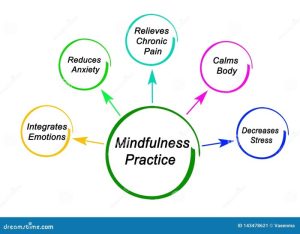
- Practice mindfulness: Mindful eating and drinking can help you stay present and aware of your hydration needs, preventing mindless snacking or neglecting water intake.
- Stay active: Regular physical activity can improve mood and reduce stress, making it easier to focus on maintaining hydration throughout the day.
Impact of Stress Management
Effective stress management techniques can significantly impact your ability to stay hydrated during pregnancy. When stress levels are high, the body may release cortisol, a stress hormone that can affect fluid balance and lead to dehydration. By managing stress through techniques like deep breathing, meditation, or yoga, you can support your overall hydration levels and well-being.
Physical Fitness
Regular physical fitness plays a vital role in maintaining hydration levels for pregnant women. Staying active can help improve circulation, which in turn aids in the distribution of fluids throughout the body. Additionally, exercise can help regulate body temperature and prevent excessive sweating, which can lead to dehydration.
Safe and Effective Exercises
- Walking: A low-impact exercise that can be easily incorporated into daily routine.
- Swimming: Great for overall body conditioning and is gentle on joints.
- Prenatal yoga: Helps improve flexibility, strength, and relaxation.
- Pilates: Focuses on core strength and stability.
Benefits of Regular Exercise
Regular exercise not only promotes hydration but also offers other benefits such as:
- Improved cardiovascular health
- Reduced risk of gestational diabetes
- Enhanced mood and reduced stress levels
- Increased energy levels and better sleep quality
Adequate Hydration
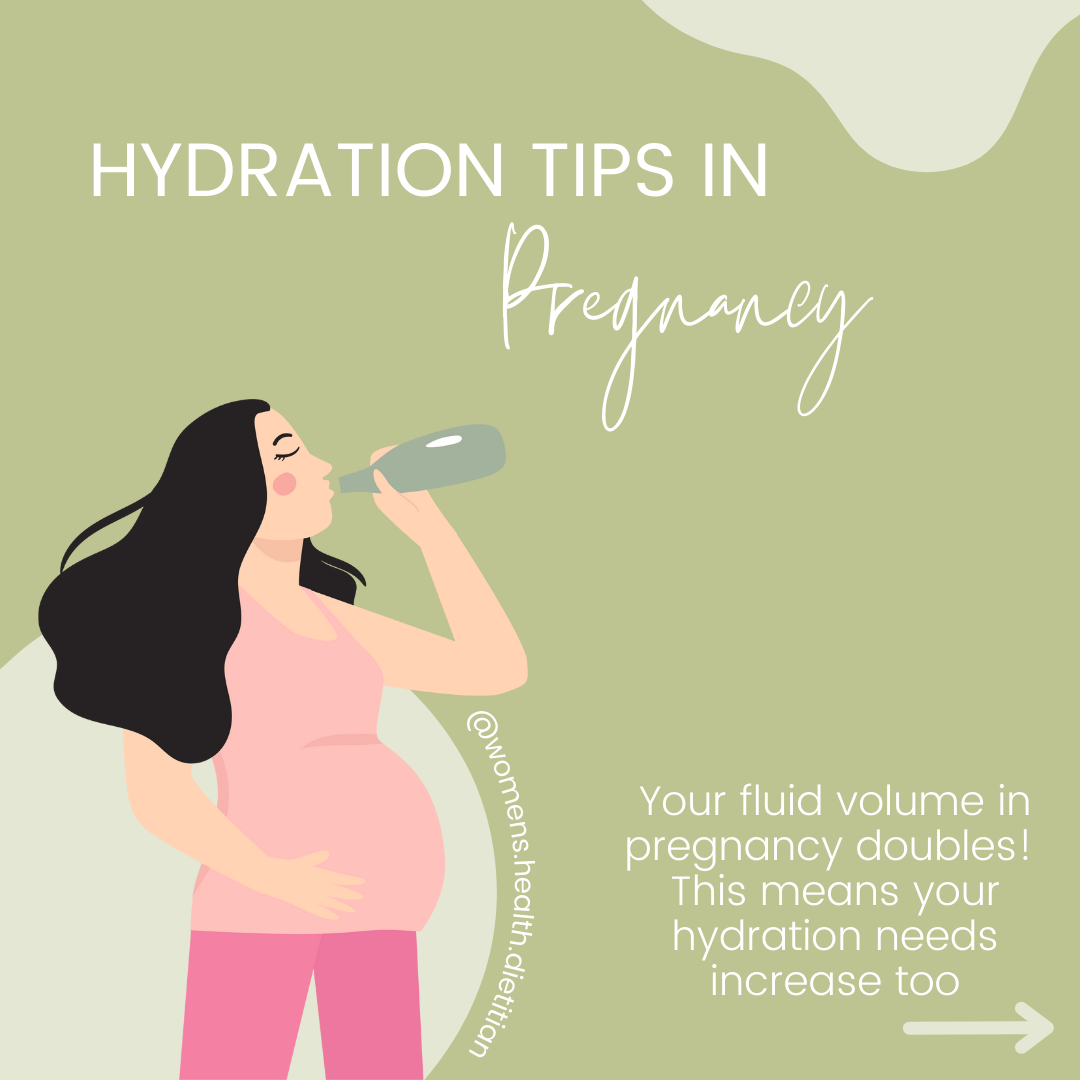
Maintaining proper hydration is crucial during pregnancy to support the health of both the mother and the baby. Dehydration can lead to various complications, so it’s important for pregnant women to ensure they are drinking enough water throughout the day.
Daily Water Intake Requirements
Pregnant women should aim to drink about 8-10 cups (64-80 ounces) of water per day to stay adequately hydrated. This amount may vary depending on individual factors such as activity level, climate, and overall health.
Creative Ways to Ensure Hydration
- Carry a reusable water bottle with you wherever you go to remind yourself to drink water regularly.
- Infuse water with fruits like lemon, berries, or cucumber to add flavor and encourage consumption.
- Eat water-rich foods such as watermelon, cucumbers, and oranges to increase your overall fluid intake.
- Set reminders on your phone or use hydration tracking apps to monitor your water intake throughout the day.
Consequences of Dehydration during Pregnancy
Dehydration during pregnancy can lead to serious complications such as urinary tract infections, preterm labor, and low amniotic fluid levels. It can also increase the risk of dizziness, headaches, and fatigue, impacting both the mother and the baby’s health.
Healthy Lifestyle
Maintaining a healthy lifestyle during pregnancy is crucial for overall well-being, including proper hydration. By adopting healthy habits, you can support your body’s hydration needs and ensure a smooth pregnancy journey.
Tips for Incorporating Hydration into Daily Routines
- Carry a reusable water bottle with you wherever you go to remind yourself to drink water regularly.
- Set reminders on your phone or use hydration tracking apps to monitor your daily water intake.
- Incorporate hydrating foods such as fruits and vegetables into your meals and snacks.
- Avoid sugary drinks and opt for water, herbal teas, or infused water for hydration.
Long-term Benefits of Maintaining a Healthy Lifestyle during Pregnancy
- Improved overall health and well-being for both you and your baby.
- Reduced risk of complications during pregnancy and childbirth.
- Increased energy levels and better mood throughout the pregnancy journey.
- Enhanced recovery post-delivery and better chances of returning to pre-pregnancy fitness levels.
Nutrient-Rich
Maintaining adequate hydration during pregnancy is crucial for the health of both the mother and the baby. In addition to drinking enough water, consuming foods rich in essential nutrients can further support hydration levels. These nutrients play a vital role in various bodily functions and can help pregnant women stay hydrated throughout their pregnancy.
Essential Nutrients for Hydration
- Electrolytes: Electrolytes such as sodium, potassium, and magnesium help regulate fluid balance in the body and are essential for hydration.
- Vitamin C: Vitamin C is important for collagen formation, which helps maintain skin elasticity and hydration.
- Omega-3 Fatty Acids: Omega-3 fatty acids help in maintaining healthy cell membranes and can support hydration levels.
- Zinc: Zinc plays a role in wound healing and maintaining skin integrity, which is important for hydration.
Role of Hydration in Nutrient Absorption
Proper hydration is essential for nutrient absorption as it helps transport nutrients throughout the body and aids in digestion.
Hydration ensures that essential nutrients are properly absorbed and utilized by the body, which is crucial during pregnancy to support the health and development of the baby.
Nutrient-Rich Foods for Hydration, How to maintain hydration during pregnancy
| Food | Nutrient Content |
|---|---|
| Watermelon | High water content, vitamins A and C |
| Cucumbers | High water content, potassium, magnesium |
| Yogurt | High water content, calcium, probiotics |
| Spinach | Water, iron, folate, vitamin C |
Eating a variety of nutrient-rich foods like these can help pregnant women stay hydrated while also ensuring they are getting essential nutrients to support a healthy pregnancy.
Stress Management
Stress can significantly impact hydration levels during pregnancy. When a person is stressed, the body releases cortisol, a hormone that can lead to increased fluid loss through urine. This can result in dehydration if not properly managed.
Techniques for Stress Management
- Adequate rest and sleep: Getting enough rest is crucial for managing stress levels and promoting hydration. Lack of sleep can contribute to increased stress, so ensuring proper rest can help maintain emotional balance.
- Regular exercise: Physical activity can help reduce stress and improve overall well-being. Engaging in regular exercise can also support hydration by promoting circulation and proper bodily functions.
- Deep breathing exercises: Practicing deep breathing techniques can help calm the mind and reduce stress. This relaxation method can also aid in maintaining emotional balance, which is essential for staying hydrated.
- Stress-reducing activities: Engaging in activities such as yoga, meditation, or mindfulness can help alleviate stress and promote emotional well-being. These practices can contribute to better hydration levels during pregnancy.
Importance of Emotional Balance
Emotional balance plays a crucial role in staying hydrated during pregnancy. When a person is emotionally balanced, they are better equipped to handle stress and maintain overall well-being. This can lead to healthier hydration levels as emotional stability supports proper bodily functions and fluid balance.
Preventive Care
Maintaining hydration during pregnancy is crucial for the health of both the mother and the baby. Preventive care plays a significant role in ensuring adequate hydration levels throughout pregnancy to prevent dehydration complications.
Recommendations for Prenatal Check-ups Related to Hydration
- Regular prenatal visits with your healthcare provider are essential to monitor your hydration levels.
- Discuss any concerns or symptoms of dehydration, such as dark urine, dizziness, or fatigue, during your check-ups.
- Your healthcare provider may recommend specific tests to assess your hydration status and provide guidance on staying hydrated.
Role of Preventive Care in Preventing Dehydration Complications
- Preventive care helps in early detection of dehydration and allows for timely interventions to prevent complications.
- By monitoring hydration levels regularly, healthcare providers can provide personalized recommendations to ensure adequate fluid intake.
- Preventive care also involves educating pregnant women on the importance of hydration and how to recognize signs of dehydration.
Proper Nutrition
Proper nutrition plays a crucial role in maintaining hydration during pregnancy. The foods you eat can significantly impact your hydration levels and overall well-being. It is essential to focus on a well-balanced diet to ensure you are getting the necessary nutrients to support both you and your baby.
Link between Proper Nutrition and Hydration
A diet rich in fruits, vegetables, whole grains, lean proteins, and healthy fats can provide the essential vitamins and minerals needed for hydration. Foods with high water content, such as cucumbers, watermelon, and oranges, can also contribute to your daily fluid intake.
Dietary Guidelines for Pregnant Women
- Aim to drink at least 8-10 cups of water per day, in addition to other fluids like herbal tea or milk.
- Incorporate hydrating foods like soups, smoothies, and fresh fruits into your daily meals.
- Avoid excessive caffeine and sugary beverages, as they can contribute to dehydration.
- Consult with a healthcare provider to determine the appropriate intake of electrolytes and supplements.
Importance of a Well-Balanced Diet for Hydration
A well-balanced diet not only provides the necessary nutrients for you and your baby’s health but also helps maintain proper hydration levels. Nutrient-rich foods can support your body’s hydration needs and prevent dehydration, which is essential during pregnancy to avoid complications.
Quality Sleep
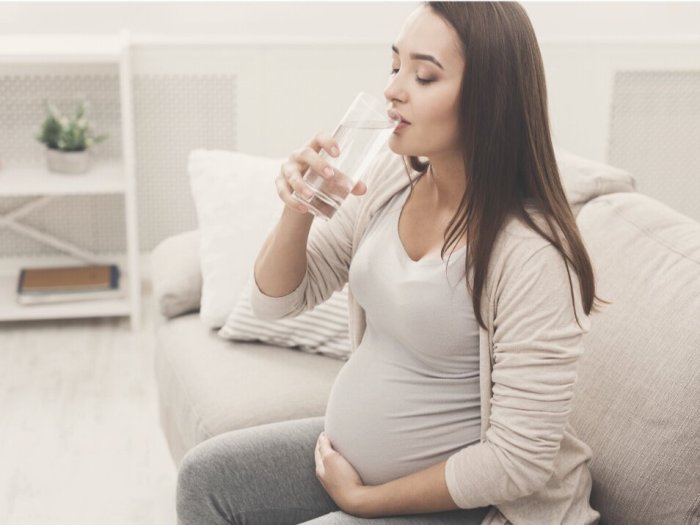
Quality sleep plays a crucial role in maintaining hydration levels during pregnancy. The body’s hydration status can be affected by the quantity and quality of sleep a pregnant woman gets.
Benefits of Quality Sleep on Hydration
- Improved Hormone Regulation: Quality sleep helps regulate hormones involved in fluid balance, ensuring proper hydration levels in the body.
- Enhanced Kidney Function: Adequate rest supports optimal kidney function, aiding in the elimination of waste and regulation of fluid levels.
- Reduced Risk of Dehydration: By getting enough quality sleep, the body is better equipped to retain and distribute fluids effectively, reducing the risk of dehydration.
Tips for Improving Sleep Quality
- Establish a Bedtime Routine: Create a relaxing bedtime routine to signal to your body that it’s time to wind down and prepare for sleep.
- Optimize Sleep Environment: Ensure your bedroom is conducive to sleep by keeping it dark, quiet, and at a comfortable temperature.
- Avoid Stimulants: Limit caffeine and other stimulants, especially in the afternoon and evening, to promote better sleep quality.
- Stay Active: Regular exercise during the day can improve sleep quality, but avoid vigorous workouts close to bedtime.
Connection between Quality Sleep and Hydration
- Dehydration Risk: Poor sleep quality can lead to dehydration as the body may not be able to regulate fluid balance effectively.
- Water Regulation: Quality sleep supports the body’s ability to regulate water levels, preventing imbalances that can impact hydration.
- Fluid Retention: Adequate rest helps the body retain fluids properly, ensuring hydration levels are maintained throughout the day.
Cardio Health
Maintaining cardiovascular health is crucial during pregnancy as it directly impacts hydration needs. The heart works harder during pregnancy to pump more blood and oxygen to both the mother and the growing baby, leading to increased fluid requirements.
Impact of Cardio Health on Hydration
Regular cardiovascular exercise can help improve circulation, strengthen the heart, and promote overall cardiovascular health. This, in turn, can optimize fluid distribution in the body and support better hydration levels during pregnancy.
- Examples of Cardio Exercises:
Some safe cardio exercises during pregnancy include walking, swimming, stationary cycling, and low-impact aerobics. These activities can help maintain cardiovascular fitness while supporting hydration by increasing blood flow and circulation.
Relationship between Hydration and Heart Health in Pregnancy
Proper hydration is essential for heart health during pregnancy as it helps maintain blood volume, regulate body temperature, and support the cardiovascular system’s functions. Dehydration can strain the heart and lead to complications, making it vital to stay adequately hydrated throughout pregnancy.
Immune Boost
Maintaining a strong immune system is crucial for overall health, especially during pregnancy. A robust immune system can help support hydration and ensure the body functions optimally. Let’s explore the importance of immune support for maintaining hydration and ways to boost the immune system during pregnancy.
Importance of Immune Support for Hydration
Proper immune function is essential for maintaining hydration levels in the body. When the immune system is compromised, the body may be more susceptible to infections or illnesses that can affect hydration. By supporting the immune system, pregnant individuals can help ensure that their bodies are better equipped to stay hydrated.
Ways to Boost the Immune System
- Consume a nutrient-rich diet filled with fruits, vegetables, whole grains, and lean proteins to provide essential vitamins and minerals that support immune function.
- Stay hydrated by drinking an adequate amount of water throughout the day to help flush out toxins and support overall immune health.
- Get regular exercise to improve circulation and promote the production of immune-boosting cells.
- Reduce stress through relaxation techniques such as deep breathing, meditation, or yoga, as chronic stress can weaken the immune system.
- Ensure adequate sleep to allow the body to repair and regenerate, supporting a healthy immune response.
Impact of Hydration on Immune Function During Pregnancy
During pregnancy, proper hydration is essential for supporting immune function. Dehydration can lead to a weakened immune system, making pregnant individuals more vulnerable to infections. By maintaining adequate hydration levels, expecting mothers can help ensure their immune system is functioning optimally to protect both themselves and their developing baby.
Positive Mindset
Maintaining a positive mindset plays a crucial role in staying hydrated during pregnancy. It can help you stay motivated, focused, and committed to taking care of your body’s hydration needs. A positive attitude can also contribute to overall well-being and reduce stress, which in turn can impact your hydration levels positively.
Techniques for Cultivating a Positive Mindset
- Acknowledge and challenge negative thoughts: Identify negative thoughts related to hydration or pregnancy and challenge them with positive affirmations.
- Practice gratitude: Take time each day to reflect on things you are grateful for, including the ability to nourish your body with hydration.
- Mindfulness and meditation: Engage in mindfulness practices or meditation to stay present and focused on your hydration goals.
- Surround yourself with positivity: Spend time with supportive and uplifting individuals who encourage your healthy habits.
Benefits of a Positive Attitude on Hydration Levels
- Increased motivation: A positive mindset can boost your motivation to drink an adequate amount of water throughout the day.
- Reduced stress: Lower stress levels can prevent dehydration caused by stress-induced water loss.
- Enhanced well-being: Feeling positive and optimistic can lead to better overall health, including proper hydration.
- Improved self-care: A positive attitude can promote self-care practices, including staying hydrated during pregnancy.
Clean Eating
Clean eating refers to consuming whole, nutrient-dense foods while avoiding processed and refined foods. This approach focuses on eating foods in their most natural state to maximize their nutritional benefits. Clean eating not only promotes overall health but also plays a significant role in maintaining hydration levels during pregnancy.
Impact on Hydration
Eating clean, whole foods can help ensure proper hydration by providing the body with essential vitamins, minerals, and water content. Fruits and vegetables, for example, have high water content and can contribute to your daily fluid intake. By prioritizing clean eating, you are more likely to consume foods that support hydration, leading to better overall health and well-being.
Examples of Clean Eating Habits for Hydration
- Include plenty of fresh fruits and vegetables in your diet, such as cucumbers, watermelon, oranges, and berries, to increase water intake.
- Opt for whole grains like quinoa and brown rice over refined grains to boost nutrient intake and support hydration.
- Choose lean sources of protein like chicken, fish, and legumes to maintain muscle health and hydration levels.
- Avoid sugary drinks and opt for water, herbal teas, or infused water for a refreshing and hydrating beverage choice.
Promotion of Overall Health and Hydration
Eating clean not only helps maintain hydration levels but also supports overall health by providing essential nutrients and hydration. By focusing on whole, nutrient-rich foods, you can ensure that your body receives the necessary hydration and nourishment it needs during pregnancy.
Clean eating promotes a healthy lifestyle, reduces the risk of dehydration, and contributes to a positive pregnancy experience.
Daily Activity: How To Maintain Hydration During Pregnancy
Regular physical activity plays a crucial role in maintaining hydration levels during pregnancy. Staying active helps improve blood circulation, which in turn aids in the distribution of nutrients and fluids throughout the body, including to the baby.
Importance of Daily Activity for Hydration
- Engaging in daily physical activity helps regulate body temperature and promotes sweating, which is a natural way for the body to release excess heat and maintain hydration.
- Exercise stimulates the thirst response, prompting individuals to drink more water and stay adequately hydrated.
- Physical activity supports kidney function, assisting in the elimination of waste and toxins from the body, ensuring proper hydration.
Tips for Incorporating Physical Activity
- Choose activities that you enjoy, such as walking, swimming, prenatal yoga, or low-impact aerobics, to make exercise a fun part of your daily routine.
- Break up your workout sessions into shorter intervals throughout the day to make it more manageable and avoid overexertion.
- Stay hydrated by carrying a water bottle with you during exercise and sipping water regularly to replenish fluids lost through sweat.
Benefits of Staying Active for Hydration During Pregnancy
- Improved circulation helps transport essential nutrients and oxygen to the placenta, supporting the baby’s growth and development.
- Regular exercise can reduce swelling and bloating, common discomforts during pregnancy, by promoting better fluid balance in the body.
- Physical activity can help prevent constipation and promote digestive health, contributing to overall well-being and hydration.
Holistic Health
Maintaining hydration during pregnancy is essential for the overall well-being of both the mother and the baby. Taking a holistic approach to hydration involves looking at the body as a whole and considering various factors that can impact hydration levels.
Hydration Support through Holistic Practices
- Balanced Diet: Eating a nutrient-rich diet filled with fruits, vegetables, and whole grains can contribute to hydration levels. Foods with high water content such as watermelon, cucumbers, and oranges can also help in staying hydrated.
- Herbal Teas: Incorporating herbal teas like chamomile, ginger, or peppermint can not only provide hydration but also offer additional health benefits.
- Hydrating Smoothies: Making smoothies with hydrating ingredients like coconut water, berries, and leafy greens can be a delicious way to boost hydration.
- Mindful Drinking: Practicing mindfulness while drinking water can enhance the body’s ability to absorb and utilize the water effectively.
Mindful Living
Mindful living involves being fully present and aware of your thoughts, feelings, and surroundings in the present moment. It can have a positive impact on hydration during pregnancy by helping women tune into their body’s signals for thirst and recognize when they need to drink more water.
Mindfulness Practices for Hydration
- Practice mindful drinking: Take slow sips of water and focus on the sensation of hydration entering your body.
- Set reminders: Use mindfulness techniques to remind yourself to drink water regularly throughout the day.
- Listen to your body: Pay attention to your body’s cues for thirst and respond by drinking water mindfully.
Benefits of Mindful Living for Health and Hydration
- Improved hydration: Mindful living helps pregnant women stay hydrated by increasing awareness of their water intake needs.
- Stress reduction: Mindfulness practices can reduce stress, which can have a positive impact on hydration levels.
- Enhanced overall health: Mindful living promotes overall well-being, which can support optimal hydration and health during pregnancy.
Emotional Balance
Maintaining emotional balance is crucial for hydration during pregnancy as stress and anxiety can impact hydration levels. Emotional well-being can affect a pregnant woman’s overall health and may lead to dehydration if not managed effectively.
Strategies for Achieving Emotional Balance
- Practice mindfulness and meditation to reduce stress and promote relaxation.
- Engage in activities that bring joy and positivity, such as hobbies or spending time with loved ones.
- Seek support from a therapist or counselor to address any emotional challenges during pregnancy.
- Stay physically active through prenatal exercises to boost mood and reduce anxiety.
- Maintain open communication with your partner or healthcare provider about your emotions and concerns.
Impact of Emotions on Hydration Levels
Emotions play a significant role in hydration levels for pregnant women. Stress and anxiety can lead to increased fluid loss through sweating and faster breathing, resulting in dehydration. By managing emotions and achieving emotional balance, pregnant women can ensure proper hydration for both themselves and their developing baby.
Health Education
Health education plays a crucial role in promoting hydration during pregnancy by providing expectant mothers with the necessary information and tools to maintain adequate fluid intake for both their own health and the well-being of their baby.
Importance of Health Education in Hydration
- Health education helps pregnant women understand the importance of staying hydrated during pregnancy to prevent complications such as dehydration, urinary tract infections, and preterm labor.
- It empowers women with the knowledge of how much water they should be consuming daily, as well as the signs of dehydration to watch out for.
- By educating women on the benefits of proper hydration, such as aiding in digestion, nutrient absorption, and circulation, health education encourages them to prioritize their fluid intake.
Resources for Pregnant Women
- Online platforms and apps that offer hydration tracking tools and reminders to drink water regularly.
- Prenatal classes and workshops that cover the importance of hydration and provide tips on staying hydrated throughout pregnancy.
- Consultation with healthcare providers who can offer personalized recommendations based on individual needs and circumstances.
Empowerment through Health Education
- By equipping women with knowledge about hydration, health education empowers them to take charge of their own well-being and make informed choices for a healthy pregnancy.
- Understanding the impact of hydration on pregnancy outcomes enables women to proactively manage their fluid intake and prioritize their health and that of their baby.
- Through continuous learning and access to reliable information, pregnant women can cultivate healthy habits that support proper hydration and overall wellness during this crucial time.
Self-Care
Self-care practices play a crucial role in maintaining proper hydration levels during pregnancy. By prioritizing self-care routines that focus on hydration, expecting mothers can support their overall well-being and the health of their developing baby.
Benefits of Self-Care for Hydration
- Self-care practices help expecting mothers stay mindful of their water intake throughout the day, ensuring they meet their hydration needs.
- Prioritizing self-care allows pregnant women to listen to their bodies and recognize signs of dehydration, prompting them to hydrate promptly.
- By incorporating self-care routines that emphasize hydration, mothers-to-be can reduce the risk of common pregnancy-related issues like constipation and urinary tract infections.
Self-Care Routines for Hydration
- Carry a reusable water bottle everywhere you go to make it easier to stay hydrated throughout the day.
- Set reminders on your phone or create a hydration schedule to ensure you are drinking enough water regularly.
- Incorporate hydrating foods like water-rich fruits and vegetables into your meals and snacks to boost your fluid intake.
- Practice relaxation techniques such as deep breathing or mindfulness to reduce stress, which can impact hydration levels.
Impact of Self-Care on Hydration and Well-Being
- Engaging in self-care practices that prioritize hydration can lead to increased energy levels and improved overall health during pregnancy.
- By taking time for self-care, expecting mothers can better manage the physical and emotional changes that come with pregnancy, promoting a sense of well-being.
- Consistent self-care routines can help pregnant women establish healthy habits that support hydration, leading to better outcomes for both themselves and their baby.
Chronic Disease
Chronic diseases can have a significant impact on hydration levels during pregnancy. Conditions such as diabetes, hypertension, and kidney disease can affect the body’s ability to regulate fluids properly, leading to dehydration if not managed effectively.
Strategies for Managing Chronic Conditions
- Avoiding salty and processed foods that can exacerbate conditions like hypertension and kidney disease.
- Monitoring blood sugar levels regularly and following a balanced diet to control diabetes.
- Consulting with healthcare providers to adjust medication dosages if necessary to prevent dehydration.
- Engaging in regular physical activity to help regulate blood pressure and improve overall health.
Importance of Monitoring Chronic Diseases for Proper Hydration
It is crucial to closely monitor chronic diseases during pregnancy to ensure adequate hydration levels. Failure to do so can lead to complications such as preterm labor, low birth weight, and preeclampsia. By managing these conditions effectively, pregnant individuals can maintain proper hydration and support the health of both themselves and their babies.
Final Wrap-Up
In conclusion, keeping hydrated during pregnancy is not just essential for the mother’s health but also for the well-being of the baby. By following the tips and tricks Artikeld in this guide, expecting mothers can ensure they stay properly hydrated throughout this crucial period.
FAQs
What are some nutrient-rich foods essential for hydration during pregnancy?
Some examples of nutrient-rich foods for hydration during pregnancy include water-rich fruits like watermelon, cucumbers, and oranges, as well as hydrating vegetables like spinach and lettuce.
How much water should pregnant women drink daily to stay hydrated?
Pregnant women should aim to drink at least 8-10 cups (64-80 ounces) of water per day to maintain proper hydration levels.
What are some safe cardio exercises pregnant women can do to promote hydration?
Low-impact cardio exercises like walking, swimming, and stationary cycling are safe options for pregnant women to promote hydration and overall health.