How to prevent injuries with regular exercise sets the stage for this enthralling narrative, offering readers a glimpse into a story that is rich in detail with casual formal language style and brimming with originality from the outset.
The importance of a balanced diet, mental wellness, physical fitness, adequate hydration, and quality sleep are all crucial factors in preventing injuries during exercise.
Balanced Diet
Maintaining a balanced diet is crucial in preventing injuries during exercise. A well-rounded diet provides the necessary nutrients and energy to support overall physical health and fitness, reducing the risk of strains, sprains, and other exercise-related injuries.
Nutrient-Rich Foods for Injury Prevention
Eating a variety of foods rich in essential nutrients can help prevent injuries during exercise. Some examples include:
- Lean proteins such as chicken, fish, tofu, and beans help in muscle repair and growth, reducing the risk of muscle strains.
- Whole grains like quinoa, brown rice, and oats provide sustained energy for workouts and aid in muscle recovery.
- Fruits and vegetables packed with vitamins, minerals, and antioxidants help boost the immune system and reduce inflammation, protecting against injuries.
- Healthy fats from sources like nuts, seeds, and avocado support joint health and reduce the risk of overuse injuries.
Contribution to Physical Health and Fitness
A balanced diet not only prevents injuries during exercise but also plays a significant role in overall physical health and fitness. Proper nutrition supports optimal body function, enhances muscle strength and endurance, and promotes faster recovery after workouts. By fueling the body with the right nutrients, individuals can improve their performance, prevent injuries, and maintain long-term fitness goals.
Mental Wellness
Regular exercise not only benefits physical health but also plays a crucial role in maintaining mental wellness. The connection between mental health and injury prevention is significant, as a positive mindset can reduce the risk of injuries and enhance overall well-being.
Strategies for Maintaining a Positive Mindset
- Practice mindfulness and stay present during workouts to avoid distractions that could lead to accidents.
- Set realistic goals and celebrate small victories to boost motivation and confidence.
- Engage in activities you enjoy to make exercise a positive and fulfilling experience.
- Surround yourself with a supportive community or workout buddy for encouragement and accountability.
- Listen to your body and prioritize rest and recovery to prevent burnout and mental fatigue.
Role of Stress Management in Preventing Exercise-Related Injuries
Stress can impact physical performance and increase the likelihood of injuries during exercise. Implementing effective stress management techniques is essential for injury prevention:
- Practice relaxation techniques such as deep breathing, meditation, or yoga to reduce stress levels and promote mental clarity.
- Ensure adequate sleep to support recovery and reduce the risk of injuries caused by fatigue or impaired cognitive function.
- Seek professional help if stress becomes overwhelming and affects your ability to exercise safely and effectively.
- Incorporate stress-reducing activities like spending time in nature, engaging in hobbies, or connecting with loved ones to maintain a balanced and healthy mindset.
Physical Fitness
Regular exercise plays a crucial role in preventing injuries by improving overall physical fitness. By enhancing strength and flexibility, individuals can better protect themselves from potential harm during physical activities.
Significance of Physical Fitness in Injury Prevention
Maintaining physical fitness through regular exercise helps build a strong foundation for the body, reducing the risk of injuries. Strong muscles and flexible joints provide better support and stability, decreasing the likelihood of strains, sprains, and other common injuries.
Improvement in Strength and Flexibility
Regular exercise routines that focus on strength training and flexibility can significantly enhance the body’s ability to withstand physical stress and strain. Strength exercises such as squats, lunges, and push-ups help build muscle mass, while flexibility exercises like yoga or stretching routines improve joint mobility.
Examples of Exercises for Injury Prevention
- Planks: Strengthen the core muscles for better stability and balance.
- Deadlifts: Build strength in the lower back and legs to prevent back injuries.
- Leg Raises: Target the abdominal muscles for improved posture and lower body stability.
- Shoulder Rotations: Enhance shoulder flexibility to reduce the risk of shoulder injuries.
- Hip Flexor Stretches: Improve hip mobility to prevent strains and discomfort.
Adequate Hydration
Staying hydrated is crucial during exercise to prevent injuries and ensure optimal performance. Dehydration can lead to fatigue, muscle cramps, and heat-related illnesses, increasing the risk of accidents and injuries.
Guidelines for Hydration
- Before Exercise: Drink about 17-20 ounces of water 2-3 hours before the workout to ensure proper hydration.
- During Exercise: Consume 7-10 ounces of water every 10-20 minutes during the workout to replace fluids lost through sweat.
- After Exercise: Drink 8 ounces of water within 30 minutes after finishing the workout and continue to hydrate throughout the day.
Impact of Dehydration
Dehydration can significantly impact physical performance and increase the risk of injuries. When the body lacks adequate fluids, it can lead to decreased blood flow to muscles, reduced energy levels, and impaired cognitive function. All these factors can contribute to accidents and injuries during exercise.
Regular Exercise
Regular exercise plays a crucial role in preventing injuries by strengthening muscles, improving flexibility, and enhancing overall physical fitness. Consistency in workout routines can also help enhance injury resilience, allowing the body to better withstand physical stress and strain.
Benefits of Regular Exercise
Regular exercise offers a myriad of benefits in injury prevention. It helps to improve muscle strength, flexibility, and endurance, which are essential for supporting the body during physical activities. Additionally, exercise promotes better coordination and balance, reducing the risk of falls and related injuries.
By engaging in regular physical activity, individuals can also maintain a healthy weight, which further decreases the likelihood of certain injuries.
Workout Ideas for Injury Prevention
- Incorporate strength training exercises to build muscle mass and support the joints.
- Include flexibility exercises, such as yoga or stretching, to improve range of motion and prevent muscle strains.
- Cardiovascular activities like running, cycling, or swimming can enhance cardiovascular health and overall endurance.
- Balance exercises, like standing on one leg or using a stability ball, can help improve coordination and stability.
Consistency in Exercise Routines
Consistency is key when it comes to reaping the benefits of regular exercise for injury prevention. By maintaining a consistent workout schedule, individuals can gradually build strength, flexibility, and endurance, which are all essential components of injury resilience. Regular physical activity also helps to condition the body and prepare it for the demands of everyday movements, reducing the risk of sudden injuries.
Whether it’s a daily walk, a weekly fitness class, or a monthly hike, staying consistent with exercise routines can significantly enhance overall fitness and reduce the likelihood of injuries.
Healthy Lifestyle
Adopting a healthy lifestyle plays a crucial role in preventing injuries by enhancing overall physical well-being and resilience. It involves a combination of balanced diet, regular exercise, mental wellness, and adequate hydration to support the body’s natural functions and reduce the risk of injuries.
Benefits of Maintaining a Healthy Lifestyle
- Promotes optimal physical fitness, strength, and flexibility, reducing the likelihood of accidents or injuries during physical activities.
- Boosts the immune system, making the body more resilient to illnesses and infections that could hinder physical performance.
- Improves mental clarity and focus, reducing the risk of errors or distractions that may lead to accidents or injuries.
- Enhances overall well-being and quality of life, leading to a more positive outlook and motivation to engage in safe and healthy behaviors.
Tips for Maintaining a Healthy Lifestyle
- Ensure a well-rounded diet rich in nutrients, including fruits, vegetables, whole grains, lean proteins, and healthy fats.
- Engage in regular physical activity that includes a combination of cardiovascular exercise, strength training, and flexibility exercises.
- Prioritize mental wellness through stress management techniques, mindfulness practices, and adequate rest and relaxation.
- Stay hydrated by drinking water throughout the day and limiting the consumption of sugary beverages or excessive caffeine.
The Holistic Approach of a Healthy Lifestyle
A holistic approach to a healthy lifestyle involves addressing the interconnected aspects of physical, mental, and emotional well-being to create a comprehensive foundation for injury prevention. By nurturing the body and mind through healthy habits and practices, individuals can reduce their susceptibility to injuries and maintain a high level of overall wellness.
Preventive Care
Preventive care plays a crucial role in avoiding exercise-related injuries by taking proactive measures to maintain physical health and well-being.
Importance of Preventive Measures
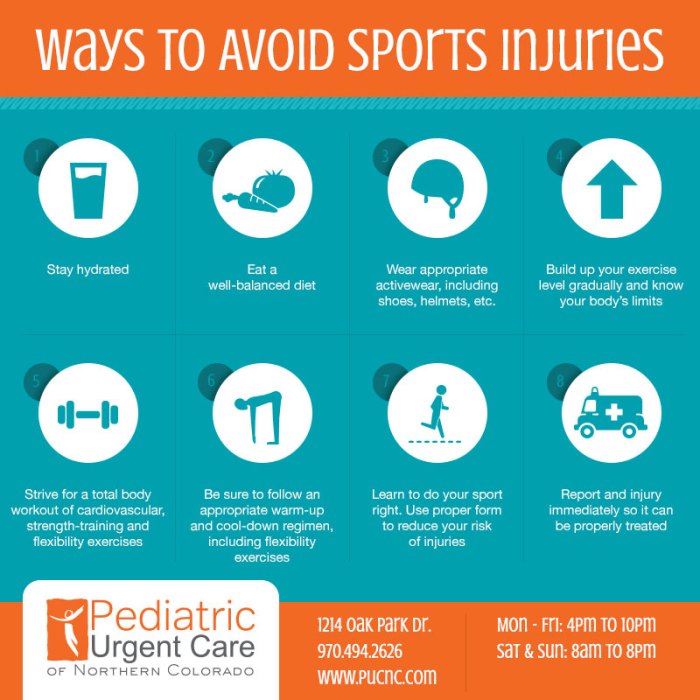
- Warm-up and cool-down routines before and after exercise sessions help prepare the muscles and prevent strains and sprains.
- Using proper form and technique during workouts reduces the risk of overuse injuries and muscle imbalances.
- Listening to your body’s signals and avoiding pushing yourself beyond your limits can prevent injuries caused by overexertion.
Regular Check-ups and Screenings
Regular check-ups and screenings are essential components of preventive care to monitor physical health and detect any underlying issues that may increase the risk of injuries.
- Annual physical exams can help identify any musculoskeletal problems or deficiencies that need to be addressed through specific exercises or treatments.
- Sports-specific screenings can assess an individual’s fitness level and identify areas of improvement to prevent injuries during athletic activities.
- Consulting with a healthcare provider or a physical therapist for personalized recommendations and injury prevention strategies based on individual needs and goals.
Proper Nutrition
Proper nutrition plays a crucial role in injury prevention as it provides the necessary nutrients to support overall health and muscle recovery. Inadequate nutrition can lead to decreased physical performance and increased susceptibility to injuries.
Nutrients Supporting Muscle Recovery
- Protein: Essential for muscle repair and growth, aiding in the recovery process after exercise-induced damage.
- Omega-3 Fatty Acids: Reduce inflammation, helping muscles recover faster and reducing the risk of overuse injuries.
- Vitamin C: Supports collagen production, important for maintaining the integrity of connective tissues and reducing the risk of strains and sprains.
- Magnesium: Helps relax muscles, preventing cramps and spasms that can lead to injuries during physical activity.
Impact of Poor Nutrition on Physical Performance
- Energy Deficiency: Inadequate calorie intake can result in fatigue, decreased endurance, and poor concentration, increasing the likelihood of accidents and injuries.
- Dehydration: Lack of proper hydration can impair muscle function, coordination, and overall performance, raising the risk of strains and muscle cramps.
- Deficiency in Essential Nutrients: Lack of vitamins and minerals can weaken bones, muscles, and connective tissues, making individuals more prone to fractures, sprains, and other injuries.
Quality Sleep
Quality sleep plays a crucial role in preventing injuries during exercise. It is during sleep that our body repairs and rebuilds muscle tissue, replenishes energy stores, and regulates hormones essential for recovery and overall well-being.
Importance of Quality Sleep
Here are some key points highlighting the importance of quality sleep in preventing injuries:
- Improved muscle recovery and growth
- Enhanced cognitive function and focus
- Regulation of hormones related to appetite and metabolism
Tips for Improving Sleep Quality
Here are some tips to enhance sleep quality and reduce the risk of injuries:
- Establish a consistent sleep schedule
- Create a relaxing bedtime routine
- Avoid stimulants like caffeine close to bedtime
- Ensure your sleep environment is conducive to rest
- Avoid screens and electronic devices before bed
Connection between Sleep Deprivation and Injuries
Sleep deprivation can increase the likelihood of injuries during exercise due to various factors such as:
- Impaired coordination and reaction time
- Reduced muscle recovery and repair
- Increased inflammation and pain sensitivity
Cardio Health
Regular cardio exercise plays a crucial role in preventing injuries by improving cardiovascular health, enhancing overall physical resilience, and reducing the risk of exercise-related injuries.
Examples of Cardio Exercises
- Running or jogging
- Cycling
- Swimming
- Aerobics
Cardiovascular exercises like these strengthen the heart, improve circulation, and increase endurance, reducing the likelihood of injuries during physical activity.
Benefits of Improving Cardiovascular Fitness
Enhancing cardiovascular fitness not only improves the efficiency of the heart and lungs but also boosts overall physical resilience and endurance. This, in turn, reduces the risk of injuries during exercise and daily activities.
Immune Boost: How To Prevent Injuries With Regular Exercise
Boosting the immune system plays a crucial role in preventing injuries by enhancing the body’s ability to fight off infections and illnesses. A strong immune system can help reduce inflammation, promote faster healing, and overall improve the body’s resilience to potential injuries.
Immune-Boosting Foods and Practices
- Include foods rich in antioxidants such as berries, leafy greens, and nuts to support immune function.
- Consume probiotic-rich foods like yogurt and kefir to maintain a healthy gut microbiome, which is closely linked to immune health.
- Stay hydrated by drinking plenty of water throughout the day to help flush out toxins and support immune function.
- Get regular exercise to boost circulation and immune cell activity, which can help prevent infections that may lead to injuries.
Connection Between a Strong Immune System and Reduced Susceptibility to Injuries
A strong immune system acts as the body’s defense mechanism against harmful pathogens and can help reduce the risk of infections that could potentially lead to injuries. By maintaining a healthy immune system through proper nutrition, regular exercise, and adequate hydration, individuals can lower their susceptibility to illnesses that may compromise their physical well-being and increase the chances of getting injured.
Clean Eating
Clean eating involves consuming whole, unprocessed foods in their most natural state to promote overall health and well-being. This approach focuses on nourishing the body with nutrient-dense options while avoiding artificial ingredients, additives, and preservatives that can be harmful in the long run.
Examples of Clean Eating Habits
- Avoiding processed foods high in refined sugars, unhealthy fats, and artificial additives.
- Incorporating plenty of fresh fruits and vegetables into your daily meals.
- Opting for whole grains like quinoa, brown rice, and oats instead of refined grains.
- Choosing lean protein sources such as fish, poultry, tofu, and legumes.
- Staying hydrated with water and herbal teas instead of sugary beverages.
Benefits of Clean Eating
- Supports overall physical well-being by providing essential nutrients for optimal body function.
- Reduces inflammation in the body, which can help prevent injuries and promote faster recovery.
- Boosts energy levels and enhances athletic performance for better exercise outcomes.
- Improves digestion and gut health, leading to better nutrient absorption and immune function.
- Promotes weight management and reduces the risk of chronic diseases associated with poor diet choices.
Daily Activity
Regular daily physical activity plays a crucial role in preventing injuries by improving strength, flexibility, and overall fitness. It also helps in maintaining a healthy weight, reducing stress, and enhancing mental well-being.
Importance of Daily Physical Activity
Incorporating daily physical activity into your routine is essential for injury prevention. It helps in strengthening muscles, bones, and joints, reducing the risk of falls, and improving balance and coordination. By staying active throughout the day, you can enhance your overall health and well-being.
- Take short walks during breaks at work or school to keep your body moving and prevent stiffness.
- Use the stairs instead of the elevator whenever possible to engage your leg muscles and increase cardiovascular endurance.
- Perform simple stretching exercises or yoga poses to improve flexibility and reduce muscle tension.
- Engage in recreational activities like swimming, cycling, or dancing to make physical activity more enjoyable and sustainable.
Consistent daily activity not only reduces the likelihood of injuries but also boosts energy levels, enhances mood, and promotes better sleep.
Holistic Health
Holistic health focuses on the interconnectedness of physical, mental, and emotional well-being to achieve overall health and prevent injuries. By addressing all aspects of health, individuals can build resilience and reduce the risk of injury.
Role of Holistic Approaches
Holistic approaches emphasize the importance of a balanced lifestyle, including regular exercise, proper nutrition, quality sleep, and stress management. By prioritizing self-care and overall wellness, individuals can strengthen their immune system, improve cardiovascular health, and enhance their body’s ability to recover from physical stressors.
- Practicing mindfulness and meditation to reduce stress levels and improve mental clarity.
- Incorporating yoga or tai chi into your exercise routine to promote flexibility, balance, and relaxation.
- Eating a diverse and nutrient-rich diet to support overall health and provide essential nutrients for optimal physical function.
- Engaging in regular social activities to foster emotional well-being and create a support network for mental health.
Mindful Living
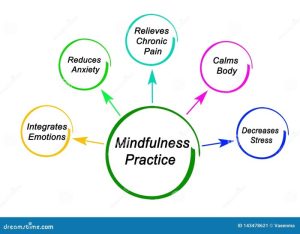
Living mindfully involves being fully present and aware of your thoughts, feelings, bodily sensations, and surroundings in the present moment. This practice can have a significant impact on preventing injuries during exercise by enhancing your overall physical awareness and focus.
Strategies for Cultivating Mindfulness
- Start your day with a few minutes of meditation or deep breathing exercises to center yourself and set a positive tone for the day.
- Practice mindful eating by paying attention to the flavors, textures, and sensations of each bite, which can help you listen to your body’s hunger and fullness cues.
- Engage in activities that promote mindfulness, such as yoga, tai chi, or walking in nature, to connect with your body and surroundings.
- Avoid multitasking and focus on one task at a time to improve your concentration and reduce the risk of distraction-related accidents.
Connection Between Mindfulness and Physical Awareness
Mindfulness practices can help you tune into your body’s signals, such as pain, discomfort, or fatigue, allowing you to adjust your exercise intensity or form to prevent injuries. By staying present and attentive during physical activity, you can maintain proper alignment, balance, and coordination, reducing the likelihood of accidents or overuse injuries.
Emotional Balance
Emotional balance plays a crucial role in injury prevention as it helps to reduce stress levels, which can make the body more susceptible to injuries. When we are emotionally balanced, we are better equipped to handle the physical demands of exercise, decreasing the likelihood of accidents or strains.
Tips for Managing Emotions Effectively
- Practice mindfulness techniques such as deep breathing or meditation to help regulate emotions and reduce stress.
- Engage in activities that bring you joy and relaxation, such as hobbies or spending time in nature.
- Seek support from friends, family, or a therapist to talk about your feelings and emotions in a healthy way.
- Avoid bottling up emotions and instead express them constructively through journaling or creative outlets.
Emotional Well-being and Physical Resilience, How to prevent injuries with regular exercise
Emotional well-being is closely tied to physical resilience during exercise. When we are emotionally balanced, we are more likely to listen to our bodies, recognize pain or discomfort, and take the necessary precautions to prevent injuries. Additionally, positive emotions can boost our motivation and endurance, helping us push through challenging workouts without compromising our safety.
Health Education
Health education plays a crucial role in promoting injury prevention awareness by providing individuals with the knowledge and skills necessary to maintain their health and well-being. By educating people on the importance of exercise safety and injury avoidance, health education initiatives empower individuals to make informed decisions about their physical activity routines and reduce the risk of injuries.
Role of Health Education in Injury Prevention
- Health education teaches individuals about proper exercise techniques to prevent injuries.
- It raises awareness about the importance of warming up and cooling down before and after physical activity.
- Health education promotes the use of appropriate safety gear and equipment during exercise.
Importance of Educating on Exercise Safety
- Proper education can help individuals identify potential risks and hazards in their exercise routines.
- Understanding exercise safety guidelines can prevent accidents and injuries during physical activity.
- Education on exercise safety encourages individuals to listen to their bodies and avoid overexertion.
Examples of Health Education Initiatives
- Workshops and seminars on injury prevention in sports and fitness settings.
- Online resources providing tips and guidelines for safe exercise practices.
- School programs that educate students on the importance of proper form and technique in physical education classes.
Self-Care
Self-care practices play a crucial role in preventing injuries and maintaining overall well-being. By prioritizing self-care, individuals can support physical recovery, reduce the risk of injuries, and ensure exercise safety.
Importance of Self-Care in Preventing Injuries
Self-care strategies are essential for preventing injuries as they help in maintaining physical health, reducing stress, and promoting relaxation. By taking care of oneself, individuals can strengthen their bodies, improve flexibility, and enhance muscle recovery after exercise. This, in turn, reduces the likelihood of injuries during physical activities.
Self-Care Strategies for Physical Recovery and Injury Prevention
- Engage in regular stretching exercises to improve flexibility and prevent muscle strain.
- Practice mindfulness techniques such as meditation or deep breathing to reduce stress and enhance relaxation.
- Get sufficient rest and sleep to allow the body to recover and repair after physical exertion.
- Stay hydrated by drinking an adequate amount of water to support muscle function and prevent dehydration-related injuries.
- Listen to your body and avoid overtraining to prevent burnout and reduce the risk of overuse injuries.
Benefits of Prioritizing Self-Care for Overall Well-Being and Exercise Safety
Prioritizing self-care not only contributes to physical health but also enhances mental well-being and emotional balance. By practicing self-care techniques, individuals can reduce stress levels, improve sleep quality, and boost their immune system, leading to a healthier and happier lifestyle.
Moreover, focusing on self-care ensures that individuals are in optimal condition to engage in physical activities safely and effectively, minimizing the chances of injuries and maximizing the benefits of exercise.
Chronic Disease
Chronic diseases are long-lasting conditions that can often lead to complications if not managed properly. It is essential to understand the relationship between chronic disease management and injury prevention to ensure the overall well-being of individuals with these conditions.Exercise plays a crucial role in both managing chronic diseases and preventing injuries.
By engaging in regular physical activity, individuals can improve their overall health and reduce the risk of developing complications associated with chronic conditions. However, it is important for individuals with chronic diseases to exercise safely to prevent injuries.
Safe Exercise Practices for Individuals with Chronic Diseases
- Consult with a healthcare provider: Before starting any exercise regimen, individuals with chronic diseases should consult with their healthcare provider to determine the most suitable and safe exercises for their condition.
- Focus on low-impact activities: Low-impact exercises such as swimming, walking, or cycling can help individuals with chronic diseases improve their cardiovascular health and strength without putting undue stress on their bodies.
- Monitor intensity levels: It is important for individuals with chronic diseases to monitor their exercise intensity levels and make adjustments as needed to prevent overexertion or injury.
- Incorporate flexibility and strength training: Including flexibility and strength training exercises in the workout routine can help individuals with chronic diseases improve their overall fitness levels and reduce the risk of musculoskeletal injuries.
Ultimate Conclusion
In conclusion, by incorporating regular exercise, maintaining a healthy lifestyle, and practicing preventive care measures, individuals can significantly reduce the risk of exercise-related injuries. Embracing a holistic approach to health and wellness is key to injury prevention and overall well-being.
Questions Often Asked
How does mental wellness contribute to injury prevention?
Maintaining a positive mindset and effective stress management can reduce the risk of injuries by enhancing focus and resilience during physical activities.
Why is adequate hydration important in preventing injuries during exercise?
Staying hydrated supports optimal physical performance, reduces muscle fatigue, and lowers the risk of cramps or injuries during exercise.
What role does preventive care play in injury prevention?
Preventive measures, such as regular check-ups and screenings, help individuals identify potential health issues early on and take proactive steps to prevent injuries.