Tips for achieving proper nutrition on a budget: How to Eat Healthy Without Breaking the Bank sets the stage for a practical and insightful journey into maintaining a nutritious diet while being mindful of your finances. Exploring the delicate balance between health and budget constraints, this guide offers valuable insights and strategies for optimizing your nutrition without overspending.
As we delve deeper into the nuances of affordable yet nourishing food choices, you’ll discover practical tips and tricks to elevate your well-being without compromising on quality or taste. From the importance of a balanced diet to the impact of dietary choices on mental wellness and physical fitness, this comprehensive resource equips you with the knowledge and tools needed to make informed decisions about your health and budget.
Balanced Diet
Having a balanced diet is crucial for achieving proper nutrition on a budget. It ensures that you are getting all the essential nutrients your body needs to function optimally, without overspending on expensive food items.
Affordable Foods for a Balanced Diet
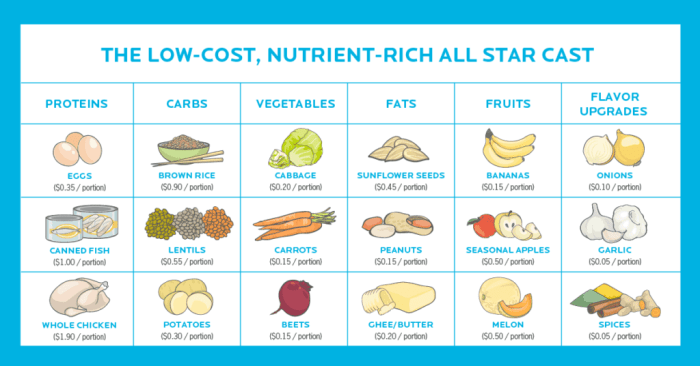
Here are some examples of affordable foods that you can incorporate into your diet to maintain a balanced intake of nutrients:
- Beans and legumes: These are excellent sources of protein, fiber, and essential vitamins and minerals.
- Oats: A budget-friendly option for whole grains, providing fiber and energy-boosting nutrients.
- Eggs: A versatile and cost-effective source of high-quality protein and various vitamins.
- Frozen fruits and vegetables: These can be more affordable than fresh produce and still offer essential nutrients.
- Canned tuna or salmon: Rich in omega-3 fatty acids and protein, these are economical sources of healthy fats.
Meal Planning for Essential Nutrients
When planning your meals on a budget, consider the following tips to ensure you are covering all essential nutrients without overspending:
- Focus on whole foods like grains, lean proteins, fruits, and vegetables to maximize nutrient intake.
- Buy in bulk or on sale to save money on staple items that can be used in multiple meals.
- Plan your meals in advance to avoid impulse purchases and ensure you have a balanced variety throughout the week.
- Use leftovers creatively to minimize food waste and stretch your budget further.
Mental Wellness
Proper nutrition plays a crucial role not only in our physical well-being but also in our mental health. The food we consume can have a direct impact on our mood, energy levels, and overall mental wellness. Making budget-friendly food choices that are rich in essential nutrients can help support a healthy mind without breaking the bank.
Incorporating Mood-Boosting Foods into a Budget-Friendly Diet
When it comes to incorporating mood-boosting foods into a cost-effective diet, focus on nutrient-dense options that are also affordable. Foods rich in omega-3 fatty acids, such as flaxseeds, walnuts, and fatty fish like salmon, can help support brain health and improve mood.
Additionally, whole grains, legumes, fruits, and vegetables are excellent choices that provide essential vitamins and minerals to promote mental wellness.
- Include leafy greens like spinach and kale, which are packed with folate and magnesium, known to help regulate mood.
- Opt for complex carbohydrates like brown rice and quinoa, which can boost serotonin levels and promote feelings of calmness.
- Snack on nuts and seeds like almonds and pumpkin seeds, which are rich in antioxidants and healthy fats that support brain function.
Remember, a balanced diet that includes a variety of nutrient-rich foods is key to supporting mental wellness on a budget.
Addressing Nutritional Deficiencies Economically
Nutritional deficiencies, such as low levels of vitamin D, B vitamins, and omega-3 fatty acids, can impact mental health and contribute to conditions like depression and anxiety. Fortunately, there are cost-effective ways to address these deficiencies without overspending.
- Consider incorporating fortified foods like fortified cereals, plant-based milks, and nutritional yeast to boost your intake of essential vitamins and minerals.
- Explore budget-friendly sources of omega-3 fatty acids, such as chia seeds, flaxseeds, and canned sardines, to support brain health and mood regulation.
- Consult with a healthcare provider or dietitian to determine if supplementation is necessary and identify affordable options that meet your nutritional needs.
Physical Fitness
Proper nutrition plays a crucial role in supporting physical fitness goals, even when on a budget. By fueling your body with the right nutrients, you can enhance your performance and recovery without breaking the bank.
Role of Proper Nutrition in Physical Fitness
Maintaining a balanced diet ensures that your body gets the necessary nutrients to support muscle growth, repair, and overall performance during workouts. A budget-friendly approach to nutrition can still provide you with the essential elements needed to achieve your fitness goals.
- Pre-Workout Meals: Opt for budget-friendly options such as oatmeal with banana and nuts, whole grain toast with peanut butter, or yogurt with fruit. These choices provide a good balance of carbohydrates, protein, and fats to fuel your workout.
- Post-Workout Meals: Consider options like a turkey and veggie wrap, a quinoa salad with beans, or a protein smoothie with spinach and berries. These meals help replenish glycogen stores and promote muscle recovery without breaking the bank.
Role of Macronutrients in Fitness Performance
Macronutrients, including carbohydrates, proteins, and fats, are essential for enhancing fitness performance. Carbohydrates provide energy for workouts, proteins support muscle repair and growth, and fats help with hormone regulation and overall health. By balancing these macronutrients in your diet, you can optimize your fitness performance without overspending.
Remember, proper nutrition doesn’t have to be expensive. With smart choices and planning, you can support your physical fitness goals on a budget.
Adequate Hydration
Staying hydrated is crucial for overall health as it helps maintain bodily functions, regulate temperature, and support digestion. When it comes to achieving proper nutrition on a budget, opting for cost-effective hydration options is key.
Creative Flavor Infusions
Infusing flavor into water can make staying hydrated more enjoyable without relying on expensive beverages. Consider adding slices of citrus fruits like lemon, lime, or orange, along with fresh herbs like mint or basil. You can also try adding cucumber slices or berries for a refreshing twist.
Relationship Between Hydration and Nutrition
Hydration plays a vital role in nutrient absorption and overall well-being. By staying hydrated, you support your body in effectively utilizing the nutrients from the food you consume. To maintain proper hydration levels without breaking the bank, opt for simple and affordable hydration strategies like drinking plain water throughout the day, using reusable water bottles, and incorporating hydrating foods like watermelon, cucumbers, and tomatoes into your diet.
Regular Exercise
Regular exercise is a crucial component of a healthy lifestyle, helping to improve cardiovascular health, boost mood, and increase overall well-being. When it comes to achieving proper nutrition on a budget, fueling your body for exercise doesn’t have to break the bank.
By making smart choices and planning ahead, you can support your workouts without overspending.
Proper Nutrition for Exercise
Eating a balanced diet that includes a mix of carbohydrates, protein, and healthy fats is essential for fueling your body before, during, and after exercise. Carbohydrates provide energy for your workouts, while protein helps repair and build muscle. Healthy fats support overall health and can help with recovery.
- Whole grain toast with peanut butter and banana slices: This budget-friendly snack provides a good mix of carbohydrates, protein, and healthy fats to fuel your workout.
- Greek yogurt with berries and a sprinkle of nuts: A nutritious and affordable option that offers protein, carbohydrates, and antioxidants for post-workout recovery.
- Vegetable omelet with whole grain toast: Packed with protein, vitamins, and minerals, this meal is a great option for a pre-workout boost.
Timing Meals for Optimal Performance
It’s important to consider the timing of your meals and snacks around your workouts to maximize performance and affordability. Eating a balanced meal or snack containing carbohydrates and protein about 1-2 hours before exercise can help fuel your workout. After exercise, refuel with a combination of protein and carbohydrates to aid in recovery.
Remember to stay hydrated before, during, and after your workouts to support optimal performance and recovery.
Healthy Lifestyle
Eating healthy doesn’t have to break the bank. With some strategic planning and smart choices, you can maintain a nutritious diet without overspending. Making sustainable changes to your lifestyle can have a positive impact on both your health and your finances in the long run.
Incorporating Healthy Eating Habits
When it comes to incorporating healthy eating habits into a budget-conscious lifestyle, there are a few key strategies to keep in mind:
- Plan your meals in advance to avoid impulse buys and minimize food waste.
- Buy fresh produce in season when it’s most affordable and nutritious.
- Opt for whole foods like grains, legumes, and lean proteins, which are often more cost-effective than processed items.
- Cook at home instead of dining out to save money and have more control over ingredients.
Impact of Long-Term Dietary Choices
Your dietary choices not only affect your health but also your finances in the long run. By prioritizing nutrient-dense foods and limiting processed items, you can reduce your risk of chronic diseases and save money on healthcare costs down the line.
Strategies for Sustainable Changes
Making sustainable changes to your lifestyle doesn’t have to be expensive. Here are some budget-friendly strategies to help you transition to a healthier way of living:
- Focus on nutrient-dense foods that offer the most bang for your buck in terms of vitamins and minerals.
- Meal prep in batches to save time and money throughout the week.
- Explore affordable sources of protein like beans, eggs, and canned fish to meet your nutritional needs without overspending.
- Stay hydrated with water instead of sugary beverages to improve your overall health and save on unnecessary expenses.
Nutrient-Rich
When it comes to achieving proper nutrition on a budget, focusing on nutrient-rich foods is key. Not only do these options provide essential vitamins and minerals for overall health, but they also offer great value for your money.
Affordable Nutrient-Rich Foods
There are several nutrient-rich foods that are both affordable and accessible, making it easier to maintain a balanced diet without breaking the bank. Some budget-friendly options include:
- Beans and legumes: Packed with protein, fiber, and various vitamins and minerals, beans and legumes are a nutritious and cost-effective choice.
- Oats: A versatile and budget-friendly whole grain, oats are rich in fiber, antioxidants, and essential nutrients like manganese and phosphorus.
- Eggs: An excellent source of high-quality protein, eggs are also affordable and provide essential nutrients such as vitamin D, choline, and selenium.
- Frozen fruits and vegetables: Frozen produce is often more affordable than fresh options and can be just as nutritious, offering a convenient way to incorporate more fruits and vegetables into your meals.
Benefits of Nutrient-Dense Options
Prioritizing nutrient-dense foods not only supports optimal health but also helps in managing your budget effectively. By choosing foods that are rich in essential nutrients, you can nourish your body, boost your immune system, and improve your overall well-being without overspending.
Budget-Friendly Meal Ideas
Creating meals that are both nutrient-rich and budget-friendly is possible with a little creativity. Consider the following meal ideas that are packed with essential nutrients:
- Vegetable stir-fry with tofu: A colorful and nutritious dish that combines a variety of vegetables, tofu for protein, and a flavorful sauce for a satisfying meal.
- Quinoa salad with black beans and avocado: A protein-packed salad featuring quinoa, black beans, avocado, and a zesty dressing for a refreshing and filling option.
- Oatmeal topped with berries and nuts: A hearty breakfast choice that includes oats for fiber, berries for antioxidants, and nuts for healthy fats and protein.
Stress Management
Proper nutrition plays a crucial role in managing stress levels, even on a budget. By fueling your body with nutrient-rich foods, you can support your mental well-being and build resilience against stressors.
Affordable Stress-Reducing Foods
- Leafy greens like spinach and kale are packed with magnesium, which can help regulate cortisol levels, the stress hormone.
- Whole grains such as brown rice and quinoa provide complex carbohydrates that can boost serotonin production, promoting a sense of calm.
- Fatty fish like salmon and tuna are rich in omega-3 fatty acids, which have been linked to reducing anxiety and stress.
- Yogurt and other probiotic-rich foods can support gut health, which is closely connected to mood and stress regulation.
Connection between Stress, Diet, and Resilience
Proper nutrition not only helps manage stress but also builds resilience against its negative effects. By incorporating affordable stress-reducing foods into your diet, you can improve your overall well-being and cope better with daily challenges. Remember, a balanced diet doesn’t have to break the bank
simple, nutrient-dense foods can make a significant difference in how you feel and handle stress.
Preventive Care
Proper nutrition on a budget doesn’t just benefit your wallet; it can also contribute significantly to preventive healthcare. By focusing on nutrient-rich foods, you can support your immune system, heart health, and overall well-being, reducing the risk of chronic diseases in the long run.
Immune Function
- Include foods rich in vitamin C, such as citrus fruits, bell peppers, and strawberries, to boost your immune system.
- Probiotic-rich foods like yogurt and kefir can help maintain a healthy gut microbiome, which plays a crucial role in immune function.
Heart Health
- Incorporate heart-healthy fats like avocados, nuts, seeds, and olive oil into your diet to support cardiovascular health.
- Eat fiber-rich foods such as oats, legumes, and vegetables to help lower cholesterol levels and reduce the risk of heart disease.
Overall Well-being
- Opt for whole grains like brown rice, quinoa, and whole wheat bread to provide essential nutrients and promote overall health.
- Include a variety of colorful fruits and vegetables to ensure you’re getting a wide range of vitamins, minerals, and antioxidants for optimal well-being.
Long-Term Cost Savings
Investing in preventive nutrition may require a bit more upfront planning and effort, but the long-term cost savings can be significant. By reducing the risk of chronic diseases through a nutritious diet, you can potentially save on medical expenses, medications, and treatments down the road.
Remember, prevention is always better than cure.
Quality Sleep
Proper nutrition plays a significant role in promoting quality sleep, and this connection is crucial when considering budget constraints. By making cost-effective dietary choices, you can improve your sleep patterns without breaking the bank.
Affordable Bedtime Snacks for Better Sleep
Having a light snack before bedtime can promote better sleep quality. Opt for affordable options such as:
- Whole-grain toast with nut butter
- Low-fat yogurt with a sprinkle of nuts
- A small bowl of whole-grain cereal with milk
- A banana or apple slices with a handful of almonds
Impact of Dietary Choices on Sleep Quality
Your diet can significantly impact your sleep patterns. Consuming heavy or spicy meals close to bedtime can disrupt your sleep, while foods rich in tryptophan, magnesium, and calcium can promote relaxation and better sleep. Opting for cost-effective nutrient-rich foods like whole grains, fruits, and nuts can improve sleep quality without straining your budget.
Cardio Health
Proper nutrition plays a crucial role in maintaining cardiovascular health, even on a budget. By choosing affordable heart-healthy foods and creating cost-effective meal plans, you can support your heart health without breaking the bank.
Affordable Heart-Healthy Food Options
When focusing on cardiovascular health, consider incorporating the following affordable heart-healthy food options into your diet:
- Fatty fish like salmon, mackerel, or sardines – rich in omega-3 fatty acids that support heart health.
- Oats and whole grains – contain soluble fiber that helps lower cholesterol levels.
- Legumes such as beans, lentils, and chickpeas – high in protein, fiber, and antioxidants.
- Fruits and vegetables – packed with vitamins, minerals, and antioxidants that benefit heart health.
- Nuts and seeds – provide healthy fats, fiber, and plant-based protein.
These affordable heart-healthy foods can help reduce the risk of cardiovascular diseases and promote overall heart wellness.
Cost-Effective Meal Plans for Cardiovascular Well-Being
Creating a budget-friendly meal plan that supports cardiovascular health can be simple and effective. Here’s an example of a cost-effective meal plan:
| Meal | Food Choices |
|---|---|
| Breakfast | Oatmeal with fresh berries and a sprinkle of nuts |
| Lunch | Vegetable and bean soup with whole grain bread |
| Snack | Carrot sticks with hummus |
| Dinner | Baked salmon with quinoa and roasted vegetables |
By incorporating these affordable heart-healthy food options into your meal plan, you can take proactive steps towards maintaining cardiovascular health without straining your budget. Remember, small changes in your diet can make a big impact on your heart health in the long run.
Immune Boost
Proper nutrition plays a crucial role in boosting the immune system, protecting the body from illnesses, and promoting overall well-being. It is possible to strengthen your immune system without breaking the bank by making smart food choices that are budget-friendly and easily accessible.
Budget-Friendly Immune-Boosting Foods
- Fruits and vegetables: Packed with vitamins, minerals, and antioxidants, fruits and vegetables like oranges, bell peppers, spinach, and broccoli are essential for a strong immune system.
- Legumes: Beans, lentils, and chickpeas are affordable sources of protein, fiber, and nutrients that support immune function.
- Whole grains: Brown rice, oats, and whole wheat bread provide energy and essential nutrients to keep the immune system functioning optimally.
- Yogurt: Rich in probiotics, yogurt helps maintain a healthy gut microbiome, which is crucial for immune health.
- Nuts and seeds: Almonds, sunflower seeds, and pumpkin seeds are nutrient-dense snacks that offer a variety of vitamins and minerals to support immunity.
Nutrition, Immunity, and Cost-Effective Strategies
Research has shown that poor nutrition can weaken the immune system, making the body more susceptible to infections and diseases. By incorporating immune-boosting foods into your diet, you can enhance your body’s natural defenses without spending a fortune.
Remember, a balanced diet rich in nutrients is key to supporting a strong immune system.
Positive Mindset
Maintaining a positive mindset is crucial for overall well-being, and nutrition plays a significant role in influencing mental outlook and positivity, even on a budget. By consuming foods that support brain health and mood regulation, you can enhance your mindset without breaking the bank.
Mood-Enhancing Foods
- Dark leafy greens like spinach and kale are rich in magnesium, which can help alleviate symptoms of anxiety and depression.
- Fatty fish such as salmon and sardines contain omega-3 fatty acids that support brain function and improve mood.
- Whole grains like quinoa and brown rice provide a steady source of energy and promote the release of serotonin, the “feel-good” neurotransmitter.
- Nuts and seeds are packed with nutrients like zinc, selenium, and vitamin E, which are essential for brain health and mood regulation.
Importance of Diet for Positive Mindset
Maintaining a balanced diet that includes mood-enhancing foods is essential for promoting a positive mindset. Nutrient-rich foods not only nourish your body but also support cognitive function and emotional well-being. By prioritizing affordable yet nutritious options, you can boost your mood and outlook on life without compromising your budget.
Clean Eating
When it comes to proper nutrition on a budget, clean eating plays a crucial role in promoting overall health and well-being. Clean eating involves consuming whole, unprocessed foods that are rich in nutrients and free from artificial additives.
Affordable Ways to Incorporate Whole, Unprocessed Foods
- Buy fruits and vegetables that are in season as they tend to be more affordable and fresher.
- Purchase grains, such as rice, oats, and quinoa, in bulk to save money in the long run.
- Opt for dried beans, lentils, and legumes as they are cost-effective sources of protein and fiber.
- Choose frozen fruits and vegetables when fresh options are expensive or not in season.
Benefits of Clean Eating
-
Improved digestion, increased energy levels, and enhanced weight management are some of the benefits of clean eating.
- Reduced risk of chronic diseases such as heart disease, diabetes, and certain types of cancer.
- Enhanced immune function and better overall mental clarity and focus.
Cost-Effective Shopping Tips
- Plan your meals ahead of time to avoid impulsive purchases and reduce food waste.
- Compare prices at different stores and consider purchasing generic brands or store specials.
- Utilize coupons, cashback apps, and loyalty programs to save money on groceries.
- Buy whole foods and ingredients instead of pre-packaged or processed items to get more value for your money.
Daily Activity
Proper nutrition plays a crucial role in supporting daily activity levels, especially when on a budget. By fueling your body with the right nutrients, you can ensure that you have the energy and stamina to carry out your daily tasks without feeling fatigued or sluggish.
Energy-boosting Foods
Including energy-boosting foods in your diet can help you maintain high activity levels without breaking the bank. Some examples of economical and easy-to-find foods that can provide a quick energy boost include:
- Oats: A budget-friendly option packed with complex carbohydrates for sustained energy.
- Bananas: Rich in natural sugars and potassium, great for a quick energy boost.
- Beans: High in protein and fiber, beans can provide lasting energy throughout the day.
- Nuts and seeds: Loaded with healthy fats and protein, nuts and seeds are a convenient snack for energy on the go.
- Whole grains: Brown rice, quinoa, and whole wheat pasta are affordable options that provide long-lasting energy.
Nutrition, Physical Activity, and Cost-effective Maintenance
The relationship between nutrition, physical activity, and cost-effective ways to maintain energy levels is closely intertwined. By eating a balanced diet rich in nutrients, you can ensure that your body has the fuel it needs to engage in physical activities without feeling drained.
Pairing nutritious foods with regular exercise can help you maintain a healthy weight and overall well-being, all while sticking to a budget-friendly meal plan. Consider meal prepping, buying in bulk, and opting for seasonal produce to make the most of your grocery budget while supporting your daily activity levels.
Holistic Health
Holistic health is a comprehensive approach that considers the whole person, focusing on physical, mental, and emotional well-being. When it comes to nutrition and budget considerations, it’s essential to find a balance that promotes overall health without breaking the bank.
By making affordable dietary choices and integrating holistic health practices into daily life, you can achieve a healthier lifestyle without overspending.
Balancing Physical, Mental, and Emotional Well-being
- Include a variety of nutrient-rich foods in your diet to support your physical health.
- Practice mindfulness and stress management techniques to nurture your mental well-being.
- Engage in activities that bring you joy and promote emotional wellness.
Integrating Holistic Health Practices
- Opt for whole foods like fruits, vegetables, whole grains, and lean proteins to nourish your body without breaking the bank.
- Explore affordable ways to stay active, such as walking, biking, or home workouts.
- Prioritize quality sleep and establish a bedtime routine to support overall well-being.
Mindful Living
Living mindfully involves being fully present and aware of your thoughts, feelings, and actions in the present moment. When it comes to nutrition and making budget-friendly choices, practicing mindful living can help you make healthier decisions and manage your resources more effectively.
Practicing Mindful Eating on a Budget
- Create a meal plan: Planning your meals ahead of time can help you make more conscious choices, avoid impulse buys, and stick to your budget.
- Shop with a list: Make a list of the items you need and stick to it when shopping to prevent overspending on unnecessary items.
- Avoid eating out frequently: Cooking at home allows you to control the ingredients you use, save money, and make healthier meals.
- Listen to your body: Pay attention to your hunger cues and eat only when you’re truly hungry to avoid overeating and wasting food.
- Savor your meals: Take the time to enjoy and appreciate your food by eating slowly, chewing thoroughly, and being mindful of the flavors and textures.
Benefits of Mindful Living for Overall Health
- Improved digestion: Mindful eating can help you better digest and absorb nutrients from your food, leading to better overall health.
- Reduced stress: Being mindful can help you manage stress more effectively, which is beneficial for both your mental and physical health.
- Enhanced satisfaction: By being present and fully engaged in your daily activities, you can experience greater satisfaction and fulfillment in life.
- Increased awareness: Mindful living can enhance your awareness of your body’s needs, allowing you to make better choices for your health and well-being.
Emotional Balance: Tips For Achieving Proper Nutrition On A Budget
Proper nutrition plays a crucial role in maintaining emotional balance. The foods we consume can have a direct impact on our mood and overall well-being. It is important to choose budget-friendly options that can help regulate emotions without breaking the bank.
Influence of Proper Nutrition on Emotional Balance
Eating a balanced diet rich in nutrients can positively affect our emotional health. Foods high in vitamins, minerals, and antioxidants can help stabilize mood and reduce feelings of anxiety or depression. By incorporating cost-effective options into our meals, we can support emotional well-being without overspending.
- Leafy greens like spinach and kale are affordable sources of folate, which has been linked to improved mood.
- Beans and legumes are budget-friendly sources of protein and fiber that can help regulate blood sugar levels and promote stable energy throughout the day.
- Oats and whole grains are inexpensive options that provide sustained energy and can contribute to a more balanced mood.
- Fatty fish like salmon or sardines are affordable sources of omega-3 fatty acids, which are essential for brain health and emotional well-being.
It is possible to prioritize emotional balance through affordable food choices that support overall well-being.
Connection between Diet, Emotions, and Cost-Effective Well-Being, Tips for achieving proper nutrition on a budget
Our diet can directly impact our emotions, as certain nutrients play a key role in neurotransmitter function and mood regulation. By focusing on nutrient-dense foods that are gentle on the wallet, we can create a foundation for emotional balance without compromising our budget.
- Consuming a variety of fruits and vegetables provides essential vitamins and minerals that support brain health and emotional stability.
- Including whole grains and lean proteins in meals can help maintain steady blood sugar levels, preventing mood swings and irritability.
- Avoiding excessive processed foods and sugary beverages can help stabilize mood and reduce the risk of emotional fluctuations.
- Staying hydrated by drinking water throughout the day is a simple and cost-effective way to support overall well-being and emotional balance.
Health Education
Proper health education plays a crucial role in helping individuals make informed decisions about nutrition and budget. By understanding the impact of food choices on health and learning how to prioritize nutrients within a limited budget, individuals can optimize their well-being without overspending.
Importance of Health Education
Health education empowers individuals to make conscious choices regarding their nutrition and budget. By providing knowledge about the benefits of different food choices and how they can affect overall health, individuals can make informed decisions that align with their goals.
Resources for Learning
- Utilize online resources like reputable health websites, blogs, and social media accounts dedicated to affordable and nutritious food options.
- Visit local community centers, libraries, or health clinics for workshops or seminars on budget-friendly meal planning and nutrition.
- Consult with registered dietitians or nutritionists who can provide personalized guidance on making healthy choices within a budget.
Tips for Staying Updated
- Subscribe to newsletters or follow social media accounts of health organizations for the latest information on nutrition and wellness.
- Attend free webinars or virtual events focused on topics like budget-friendly meal prep, healthy eating on a budget, and nutritional value of different foods.
- Join online forums or support groups to exchange ideas and tips with like-minded individuals who are also prioritizing health while managing expenses.
- Engage in mindfulness practices such as meditation or deep breathing exercises to reduce stress and promote mental clarity.
- Take time for self-reflection and journaling to enhance self-awareness and emotional balance.
- Prepare homemade meals using affordable, nutrient-rich ingredients to ensure a balanced diet while saving money.
- Practice yoga or stretching exercises at home to improve flexibility, relieve tension, and boost physical well-being without the need for expensive gym memberships.
- Enjoy nature walks or outdoor activities to connect with the environment and improve mood and overall health.
- Whole grains: Brown rice, quinoa, and oats are affordable options that provide fiber and essential nutrients for heart health and diabetes management.
- Legumes: Beans, lentils, and chickpeas are cost-effective sources of plant-based protein, fiber, and antioxidants that support overall health and reduce the risk of chronic diseases.
- Leafy greens: Spinach, kale, and collard greens are nutrient-dense and can help lower inflammation, improve digestion, and boost immunity without breaking the bank.
- Healthy fats: Incorporating olive oil, nuts, and seeds into the diet can aid in reducing inflammation, supporting brain health, and managing conditions like arthritis and heart disease.
- Fruits and vegetables: Opting for seasonal produce and frozen varieties can provide a wide range of vitamins, minerals, and antioxidants to promote overall well-being and prevent chronic illnesses.
Self-Care
Self-care practices play a crucial role in maintaining overall well-being, including proper nutrition, while also being mindful of budget constraints. Taking care of oneself not only involves physical health but also mental and emotional wellness. It is essential to prioritize self-care activities that promote a healthy lifestyle, even when faced with financial limitations.
Budget-Friendly Self-Care Activities
Role of Self-Care in Health and Wellness
Self-care is not just a luxury but a necessity for maintaining health, happiness, and financial balance. By incorporating self-care practices into daily routines, individuals can better cope with stress, prevent burnout, and enhance their overall quality of life. Prioritizing self-care activities that align with proper nutrition and budget constraints can lead to a holistic approach to well-being, addressing both physical and mental health needs effectively.
Chronic Disease
Proper nutrition plays a crucial role in both the prevention and management of chronic diseases. By making smart choices within a budget, individuals can significantly reduce their risk of developing these long-term health conditions.
Foods for Chronic Disease Management
Cost Benefits of Nutritious Diet
While investing in a balanced diet may seem like an additional expense, the long-term cost benefits far outweigh the initial investment. By prioritizing nutrient-rich foods and avoiding processed and sugary options, individuals can reduce their medical expenses associated with chronic conditions such as hypertension, obesity, and cardiovascular diseases.
Closing Summary
In conclusion, Tips for achieving proper nutrition on a budget: How to Eat Healthy Without Breaking the Bank encapsulates the essence of maintaining a healthy lifestyle without straining your wallet. By adopting a mindful approach to nutrition and embracing cost-effective meal planning, you can nourish your body and mind while staying financially savvy.
Embrace the journey towards optimal health and financial well-being with these practical and sustainable tips at your disposal.
Questions and Answers
How can I plan nutritious meals on a budget?
By focusing on affordable staple foods like grains, legumes, and seasonal produce, you can create balanced meals that meet your nutritional needs without breaking the bank.
Are there inexpensive sources of protein for a budget-friendly diet?
Yes, options like eggs, canned tuna, tofu, and lentils are cost-effective sources of protein that can be incorporated into your meals without straining your budget.
What are some ways to make hydration more exciting without spending on flavored drinks?
You can infuse water with fruits, herbs, or cucumber slices to add natural flavor without resorting to expensive beverages, keeping your hydration routine interesting and budget-friendly.
How can I maintain a positive mindset through nutrition while on a budget?
Incorporating mood-enhancing foods like dark chocolate, berries, and nuts into your diet can help uplift your mood without compromising your budget, promoting a positive outlook on life.
What are some affordable self-care practices that align with proper nutrition?
Engaging in activities like meal prepping, mindful eating, and regular physical exercise can serve as budget-friendly self-care practices that prioritize your well-being and nutritional needs.