Benefits of group fitness classes for daily exercise are numerous and impactful, shaping not just your physical health but also your mental well-being. As we explore the advantages of incorporating group workouts into your routine, you’ll discover a whole new perspective on fitness and wellness.
From the importance of a balanced diet to the significance of preventive care, each aspect plays a crucial role in enhancing your overall health journey through group fitness classes.
Balanced Diet
Maintaining a balanced diet is crucial for overall health and fitness. A balanced diet provides the necessary nutrients to support daily exercise in group fitness classes and helps in achieving fitness goals effectively.
Nutrient-Rich Foods for Daily Exercise
- Lean proteins such as chicken, turkey, fish, tofu, and legumes help in muscle repair and growth, essential for group fitness workouts.
- Complex carbohydrates like whole grains, fruits, and vegetables provide sustained energy levels during exercise sessions.
- Healthy fats found in avocados, nuts, and seeds aid in nutrient absorption and support overall health.
- Dairy or dairy alternatives offer calcium for bone health and muscle function.
Macronutrients and Micronutrients for Energy Levels
- Carbohydrates are the primary source of energy, providing fuel for intense workouts in group fitness classes.
- Proteins are essential for muscle repair and growth, helping in recovery after strenuous exercise.
- Fats play a role in providing energy and supporting cell function, especially during prolonged exercise sessions.
- Micronutrients like vitamins and minerals help in various metabolic processes that contribute to energy production and overall well-being.
Mental Wellness
Regular participation in group fitness classes can significantly contribute to mental wellness by providing a supportive and motivating environment for individuals to exercise.
Psychological Benefits of Group Exercise
- Increased motivation and accountability
- Reduced feelings of isolation and loneliness
- Improved mood and self-esteem
- Opportunity for social interaction and connection
Techniques for Mindfulness in Group Fitness
- Encouraging participants to focus on their breath during exercises
- Incorporating guided meditation or relaxation techniques at the end of each class
- Promoting positive affirmations and self-compassion throughout the workout
- Creating a supportive and non-judgmental atmosphere for all participants
Physical Fitness
Regularly participating in group fitness classes offers a wide range of physical benefits that can enhance overall health and well-being. These classes provide a structured environment with professional guidance, motivation from instructors, and the support of fellow participants, making it easier to stay committed to a fitness routine.
Targeting Different Muscle Groups
Group workouts come in various forms, such as cardio, strength training, HIIT, yoga, and more, each targeting different muscle groups. Cardio workouts like spinning or dance classes focus on improving cardiovascular health and endurance, while strength training classes like body pump or resistance training target muscle strength and toning.
By incorporating a variety of group workouts into your routine, you can ensure a well-rounded approach to fitness that engages different muscle groups.
Effective Fitness Goal Achievement
Group fitness classes can help individuals achieve their fitness goals more effectively through structured routines, expert guidance, and peer support. Instructors design classes with specific goals in mind, whether it’s weight loss, muscle toning, flexibility, or overall fitness improvement. The group setting fosters a sense of accountability and motivation, pushing participants to work harder and stay consistent with their workouts.
Additionally, the social aspect of group classes can make exercising more enjoyable, leading to long-term adherence to a fitness regimen.
Adequate Hydration
Staying hydrated is crucial for optimal performance during group fitness classes. Proper hydration before, during, and after workouts can significantly impact your overall exercise experience.
Importance of Hydration During Workouts
- Adequate hydration helps regulate body temperature and prevent overheating during intense exercise sessions.
- Proper fluid intake ensures that essential nutrients are delivered to muscles, optimizing performance and reducing the risk of cramps or fatigue.
- Hydration plays a key role in maintaining focus and mental clarity, allowing you to push through challenging workouts with ease.
Tips for Maintaining Hydration Levels
- Drink water before your workout to ensure you start properly hydrated.
- Carry a water bottle and take small sips throughout the class to stay hydrated without feeling bloated.
- Consider electrolyte-enhanced drinks for longer or more intense workouts to replenish lost minerals.
- Monitor your urine color – pale yellow indicates proper hydration, while dark yellow may signal dehydration.
Impact of Dehydration on Exercise Performance
- Dehydration can lead to decreased endurance, strength, and overall performance during workouts.
- Reduced hydration levels can result in muscle cramps, dizziness, and fatigue, hindering your ability to complete exercises effectively.
- Poor hydration impairs the body’s ability to recover post-exercise, prolonging muscle soreness and delaying the healing process.
Regular Exercise
Regular exercise is a crucial component of a healthy lifestyle, and incorporating activities like group fitness classes into daily routines can have numerous benefits. Not only does regular exercise help improve physical fitness, but it also plays a significant role in enhancing mental wellness and overall well-being.
Strategies for Staying Motivated
- Set specific and achievable fitness goals to track progress and stay motivated.
- Find a workout buddy or join group fitness classes to stay accountable and make exercise more enjoyable.
- Mix up your routine with different types of exercises to prevent boredom and keep things interesting.
- Reward yourself for reaching milestones or sticking to your workout schedule to maintain motivation.
Benefits of Regular Exercise
Regular exercise has a profound impact on overall health and well-being. Some key benefits include:
- Improved cardiovascular health and reduced risk of chronic diseases such as heart disease, diabetes, and obesity.
- Enhanced mood and reduced symptoms of anxiety and depression through the release of endorphins.
- Increased strength, flexibility, and endurance, leading to better physical performance in daily activities.
- Boosted immune system function, resulting in a lower risk of illness and improved recovery times.
Healthy Lifestyle
Participating in group fitness classes is a key component of a healthy lifestyle. These classes offer a variety of benefits that can help individuals maintain overall wellness. Group workouts can complement other healthy habits by providing a social aspect to fitness, encouraging consistency in exercise routines, and promoting accountability among participants.
For example, attending group classes with friends can make exercising more enjoyable and motivating, leading to better adherence to a regular workout schedule.Taking a holistic approach to health and wellness through group exercise means focusing on not just physical fitness, but also mental and emotional well-being.
Group fitness classes often incorporate elements of mindfulness, stress reduction techniques, and positive reinforcement from instructors and peers. This comprehensive approach can contribute to a more balanced and fulfilling lifestyle.
Holistic Approach to Health and Wellness
Group fitness classes go beyond just physical exercise by addressing various aspects of health and well-being. Here are some ways in which group workouts can support a holistic approach to health:
- Encouraging social connections and a sense of community among participants.
- Providing a supportive environment for individuals to challenge themselves and set new fitness goals.
- Offering a diverse range of workout styles and intensities to cater to different needs and preferences.
- Promoting mental clarity, stress relief, and improved mood through group activities and guided mindfulness practices.
- Creating opportunities for individuals to practice teamwork, leadership, and communication skills.
Nutrient-Rich
Consuming nutrient-rich foods is essential to support exercise performance as they provide the necessary vitamins, minerals, and macronutrients that our bodies need to function optimally during physical activities. These foods help fuel our workouts, improve endurance, and aid in muscle recovery post-exercise.
Examples of Nutrient-Dense Foods, Benefits of group fitness classes for daily exercise
Nutrient-dense foods that can enhance the benefits of group fitness classes include:
- Leafy greens like spinach and kale, rich in iron and antioxidants
- Lean proteins such as chicken, turkey, tofu, and legumes for muscle repair
- Whole grains like quinoa and brown rice for sustained energy
- Fruits like berries and bananas for natural sugars and vitamins
- Healthy fats from avocados, nuts, and seeds for joint health and hormone production
Nutrition in Recovery and Muscle Repair
Proper nutrition plays a crucial role in recovery and muscle repair post-workout. Consuming a balance of carbohydrates and proteins within the post-exercise window helps replenish glycogen stores and aids in muscle tissue repair. Nutrient-rich foods like lean proteins, complex carbohydrates, and healthy fats can speed up recovery time, reduce muscle soreness, and enhance overall performance in group fitness classes.
Stress Management
In today’s fast-paced world, stress has become a common issue for many individuals. However, participating in group fitness classes can be an effective way to manage stress levels and improve overall well-being.
Techniques for Stress Relief in Group Workouts
- Deep Breathing Exercises: Many group fitness classes incorporate deep breathing techniques to help participants relax and reduce stress.
- Yoga and Meditation: Classes such as yoga or meditation can provide a calming effect on the mind and body, promoting stress relief.
- Positive Social Interaction: Group workouts offer the opportunity to connect with others, which can help reduce feelings of isolation and stress.
- Physical Activity: Engaging in physical exercise releases endorphins, which are known to improve mood and reduce stress levels.
Connection between Physical Activity and Stress Reduction
Regular physical activity has been shown to have a direct impact on reducing stress levels. Exercise helps in releasing tension, improving sleep quality, and boosting self-confidence, all of which contribute to better stress management. By participating in group fitness classes, individuals can not only stay physically active but also benefit from the social support and motivation that comes from working out with others.
Preventive Care
Engaging in group fitness classes plays a crucial role in preventive healthcare by promoting overall well-being through regular physical activity.
Role of Exercise in Preventing Chronic Diseases
Regular exercise is key in preventing chronic diseases such as heart disease, diabetes, and obesity. Physical activity helps maintain a healthy weight, lower blood pressure, and improve cholesterol levels. By participating in group fitness classes, individuals can reduce their risk of developing these serious health conditions.
Improving Overall Health Outcomes
Participating in group fitness classes can lead to improved overall health outcomes by boosting cardiovascular health, strengthening muscles, and enhancing flexibility. Regular physical activity also helps in reducing stress, improving mood, and promoting better sleep quality. By prioritizing exercise through group classes, individuals can experience a higher quality of life and lower healthcare costs associated with preventable diseases.
Proper Nutrition
Proper nutrition plays a crucial role in maximizing the benefits of group fitness classes. It not only fuels your body for optimal performance during workouts but also aids in the recovery process, muscle building, and endurance.
Meal Planning for Exercise Performance
When it comes to meal planning for group fitness classes, it’s essential to focus on consuming a balanced diet that includes carbohydrates, proteins, healthy fats, and plenty of fruits and vegetables. Prioritize complex carbohydrates for sustained energy levels and lean proteins for muscle repair and growth.
- Aim to eat a balanced meal containing carbohydrates and protein 2-3 hours before your group fitness class to ensure you have enough energy to power through the workout.
- Consider consuming a small snack rich in carbohydrates and protein 30 minutes to an hour before the class to maintain blood sugar levels and prevent fatigue.
- Hydrate adequately before, during, and after the class to support your performance and recovery.
Nutrient Timing for Recovery and Endurance
Proper nutrient timing is crucial for enhancing recovery and endurance during group workouts. Refuel your body within 30 minutes after the class with a combination of carbohydrates and protein to replenish glycogen stores and promote muscle recovery.
Remember, what you eat after your workout is just as important as what you eat before it.
- Include a post-workout meal or snack that combines carbohydrates and protein to support muscle repair and replenish energy stores.
- Stay hydrated and consider adding electrolytes to your post-workout hydration to support recovery and prevent dehydration.
- Continue to fuel your body with nutrient-dense foods throughout the day to support overall health and fitness goals.
Quality Sleep
Maintaining quality sleep is crucial for maximizing the benefits of group fitness classes. Adequate rest allows the body to recover effectively, enhances exercise performance, and supports overall health and well-being.
Improving Sleep Quality for Enhanced Exercise Recovery and Performance
- Establish a consistent sleep schedule by going to bed and waking up at the same time every day, even on weekends.
- Create a relaxing bedtime routine to signal your body that it’s time to wind down, such as reading a book or taking a warm bath.
- Avoid stimulants like caffeine and electronic devices close to bedtime to promote better sleep quality.
- Ensure your sleep environment is conducive to rest, with a comfortable mattress, pillows, and a cool, dark room.
- Practice stress-reducing techniques like deep breathing or meditation to calm the mind before sleep.
Impact of Sleep Deprivation on Overall Health and Fitness Goals
Sleep deprivation can lead to decreased exercise performance, impaired recovery, increased risk of injuries, and disruptions in metabolism and hormone regulation.
Furthermore, inadequate sleep is associated with higher levels of stress, reduced cognitive function, and a weakened immune system, all of which can hinder progress towards fitness goals.
Cardio Health
Regular participation in group fitness classes can have a significant positive impact on cardiovascular health. Cardio exercises, which focus on increasing the heart rate and improving circulation, play a crucial role in maintaining a healthy heart. When done in a group setting, these exercises can offer a range of benefits beyond just physical health.
Improvement of Cardiovascular Health
- Cardio exercises like running, cycling, and dancing can help strengthen the heart muscle and improve its efficiency in pumping blood throughout the body.
- Group fitness classes often incorporate a variety of cardio routines, keeping participants engaged and motivated to push themselves further.
- Regular participation in group workouts can lead to lower blood pressure, reduced risk of heart disease, and improved overall cardiovascular function.
Benefits of Cardio Exercises in a Group Setting
- Group fitness classes provide a supportive environment where individuals can challenge themselves alongside others, fostering a sense of camaraderie and motivation.
- Having an instructor leading the class ensures proper form and technique, reducing the risk of injury during cardio workouts.
- The energy and music in group classes can make cardio exercises more enjoyable, encouraging participants to push their limits and achieve better results.
Maintaining Heart Health Through Group Workouts
- Consistent participation in group fitness classes can help individuals establish a routine of regular cardio exercise, which is essential for maintaining heart health.
- Group workouts offer a social aspect that can reduce feelings of isolation and increase adherence to exercise routines, leading to better heart health outcomes.
- By incorporating a variety of cardio exercises into their fitness regimen, individuals can ensure they are targeting different aspects of cardiovascular fitness for a well-rounded approach to heart health.
Immune Boost
Regular exercise plays a crucial role in boosting the immune system. Physical activity helps to improve immune function, making the body more resilient to illnesses and infections. By engaging in group fitness classes, individuals can support their immune health through various lifestyle choices and fitness practices.
Relationship between Physical Activity and Immune Function
Regular physical activity has been shown to have a positive impact on immune function. Exercise helps to increase the circulation of white blood cells, antibodies, and other immune cells in the body, enhancing the body’s ability to fight off pathogens.
Additionally, exercise can reduce inflammation, which is linked to various chronic diseases and can weaken the immune system.
- Engaging in moderate-intensity exercise, such as group fitness classes, can help reduce the risk of infections and illnesses.
- Consistent physical activity can improve the body’s response to vaccines, making them more effective in protecting against diseases.
- Exercise promotes better sleep, which is essential for immune health and overall well-being.
Tips for Supporting Immune Health through Fitness and Lifestyle Choices
Making certain lifestyle choices can further support immune health along with regular exercise.
- Stay hydrated by drinking an adequate amount of water throughout the day to support immune function.
- Consume a balanced diet rich in fruits, vegetables, whole grains, and lean proteins to provide essential nutrients for a healthy immune system.
- Manage stress through relaxation techniques, mindfulness, or meditation to reduce the impact of stress on immune function.
- Get enough quality sleep to allow the body to rest and recover, supporting immune health.
- Avoid smoking and limit alcohol consumption, as these habits can weaken the immune system.
Positive Mindset
Regular participation in group fitness classes can have a significant impact on fostering a positive mindset. The supportive and motivating environment created in group workouts can help individuals feel more connected, motivated, and inspired to push themselves further.
Mental Benefits of Group Workouts
- Improved Self-Esteem: Group fitness classes offer a sense of community and camaraderie, which can boost self-esteem and confidence as individuals work towards their fitness goals together.
- Increased Motivation: Exercising in a group setting can provide the necessary motivation to stay committed and consistent with a workout routine.
- Positive Reinforcement: Encouragement and positive feedback from instructors and fellow participants can help individuals stay focused and maintain a positive attitude towards exercise.
Strategies for Maintaining a Positive Attitude
- Set Realistic Goals: Establishing achievable fitness goals and celebrating small victories along the way can enhance motivation and positivity.
- Practice Gratitude: Reflecting on the benefits of regular exercise, such as improved health and well-being, can cultivate a grateful mindset.
- Stay Mindful: Being present during workouts and focusing on the positive aspects of the exercise experience can promote a positive outlook.
Clean Eating
When it comes to optimizing the benefits of group fitness classes, clean eating plays a crucial role in supporting exercise performance and overall well-being. Clean eating involves consuming whole, minimally processed foods that are rich in nutrients and free from additives and preservatives.
Examples of Clean Eating Habits
- Choosing lean sources of protein such as chicken, turkey, fish, tofu, or legumes to support muscle repair and growth.
- Incorporating a variety of colorful fruits and vegetables to provide essential vitamins, minerals, and antioxidants for energy and recovery.
- Opting for complex carbohydrates like whole grains, sweet potatoes, and quinoa to fuel workouts and maintain stable blood sugar levels.
- Including healthy fats from sources like avocado, nuts, seeds, and olive oil to support brain function and reduce inflammation.
- Hydrating with water and herbal teas throughout the day to stay properly hydrated and aid in digestion and nutrient absorption.
Impact of Clean Eating on Health
A clean diet not only enhances exercise performance but also contributes to overall health and well-being. By providing the body with essential nutrients and supporting optimal organ function, clean eating can improve energy levels, promote healthy weight management, boost immunity, and reduce the risk of chronic diseases.
Daily Activity: Benefits Of Group Fitness Classes For Daily Exercise
Regular physical activity is essential for maintaining overall health and well-being. Incorporating daily physical activity through group fitness classes can provide numerous benefits, including improved cardiovascular health, increased strength, and enhanced mental clarity. However, staying active outside of scheduled workout sessions is equally important to ensure consistent daily movement for optimal health and fitness.
Staying Active Tips
- Take the stairs instead of the elevator whenever possible to sneak in extra steps throughout the day.
- Set a reminder to take short walking breaks during prolonged periods of sitting or standing.
- Engage in activities you enjoy, such as dancing, gardening, or playing a sport, to make staying active more fun and sustainable.
- Use a fitness tracker or pedometer to monitor your daily steps and set achievable goals for increasing your activity level gradually.
Benefits of Daily Movement
Consistent daily movement plays a crucial role in supporting overall health and fitness. Some benefits include:
- Improved circulation and heart health
- Enhanced mood and mental well-being
- Increased energy levels and productivity
- Better sleep quality and stress management
- Weight management and muscle tone maintenance
Holistic Health
Group fitness classes play a significant role in promoting holistic health by addressing the interconnectedness of physical, mental, and emotional well-being. These classes offer a comprehensive approach to overall wellness, focusing on various aspects of health to achieve a balanced and holistic lifestyle.
Interconnectedness of Physical, Mental, and Emotional Well-being
Group workouts in fitness classes not only target physical fitness but also have a positive impact on mental and emotional well-being. The social interaction, support, and motivation from working out in a group setting can boost mental health by reducing stress, anxiety, and depression.
Additionally, the release of endorphins during exercise can improve mood and overall emotional wellness.
- Physical well-being: Group fitness classes help improve cardiovascular health, strength, flexibility, and endurance, contributing to overall physical fitness.
- Mental well-being: The social aspect of group workouts promotes a sense of community, reduces feelings of isolation, and enhances mental clarity.
- Emotional well-being: Engaging in group fitness classes can help manage emotions, increase self-confidence, and provide a sense of accomplishment.
Achieving Balance and Wellness through Holistic Health Practices
By incorporating group fitness classes into a regular routine, individuals can achieve balance and wellness through a holistic approach to health. These classes offer a well-rounded workout that targets different aspects of health, including physical fitness, mental well-being, and emotional stability.
Remember, holistic health is about addressing the whole person—body, mind, and spirit—to achieve overall well-being and optimal health.
Mindful Living
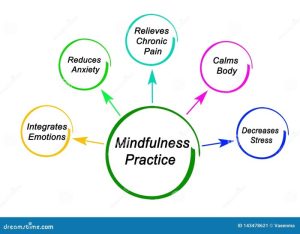
Mindful living plays a crucial role in group fitness classes as it involves being fully present and aware of your thoughts, feelings, and physical sensations during exercise. This practice not only enhances the overall exercise experience but also contributes to improved well-being and health outcomes.
Techniques for Practicing Mindfulness During Workouts
- Focus on your breathing: Concentrate on your breath as you move through each exercise, allowing it to guide your movements and keep you grounded in the present moment.
- Pay attention to your body: Tune into the sensations in your body as you exercise, noticing any tension or areas of discomfort that may need adjustment.
- Avoid distractions: Try to minimize distractions during your workout by turning off your phone or choosing a quiet area to focus solely on your movements.
- Practice gratitude: Take a moment to express gratitude for your body’s ability to move and exercise, fostering a positive mindset during your workout.
Benefits of Mindful Living in Improving Health Outcomes
- Stress reduction: Mindfulness can help reduce stress levels, leading to improved mental well-being and overall health.
- Enhanced focus: By practicing mindfulness, you can improve your focus and concentration during workouts, maximizing the benefits of your exercise routine.
- Emotional regulation: Mindful living can help regulate emotions, allowing you to better manage stress and maintain a positive outlook on life.
- Improved self-awareness: Being mindful during workouts can increase your self-awareness, helping you better understand your body’s needs and limitations.
Emotional Balance
Regular participation in group fitness classes can significantly contribute to achieving emotional balance. The supportive and motivating environment of a group workout setting can help individuals manage their emotions effectively and improve their overall well-being.
Emotional Benefits of Exercise in a Group Setting
- Builds a sense of community and belonging, reducing feelings of loneliness and isolation.
- Increases levels of endorphins and serotonin, which are neurotransmitters that help regulate mood and reduce stress.
- Provides a distraction from daily worries and negative thoughts, promoting a more positive mindset.
- Encourages social interaction and communication, leading to enhanced emotional intelligence and interpersonal relationships.
Strategies for Managing Emotions through Group Workouts
- Set realistic goals and celebrate achievements with your workout buddies to boost self-esteem and confidence.
- Practice mindfulness techniques during group exercises to stay present and focused, calming the mind and reducing anxiety.
- Use group workouts as a safe space to express emotions and release pent-up energy in a healthy way.
- Seek support and guidance from fitness instructors or fellow participants when feeling overwhelmed or stressed during workouts.
Health Education
Health education plays a crucial role in group fitness classes by providing participants with valuable information on how to improve their overall well-being through exercise and proper nutrition.
Role of Health Education in Group Fitness Classes
- Health education in group fitness classes helps participants understand the importance of regular exercise and healthy eating habits for maintaining a balanced lifestyle.
- Instructors can educate participants on the benefits of specific exercises, proper form, and techniques to prevent injuries during workouts.
- By sharing information on the importance of hydration, rest, and recovery, health education in group fitness classes promotes overall physical and mental wellness.
Providing Valuable Health Information During Workouts
- Instructors can offer tips on how to modify exercises based on individual fitness levels and goals, ensuring a safe and effective workout for all participants.
- By discussing the role of nutrients in fueling the body for exercise and recovery, health education during workouts can help participants make informed choices about their diet.
- Sharing information on the benefits of different types of workouts, such as cardio, strength training, and flexibility exercises, helps participants create a well-rounded fitness routine.
Importance of Staying Informed in a Group Exercise Environment
- Staying informed about health and wellness topics in a group exercise setting empowers participants to take control of their own health and make positive lifestyle changes.
- Access to up-to-date information on fitness trends, nutrition guidelines, and injury prevention strategies can enhance the overall workout experience and results.
- By fostering a culture of learning and sharing knowledge, group fitness classes create a supportive environment where participants can motivate each other to prioritize their health.
Self-Care
Self-care is an essential aspect of maintaining overall health and well-being. Engaging in group fitness classes can be a powerful form of self-care as it allows individuals to prioritize their physical and mental health through regular exercise and social interaction.Participating in group fitness classes not only helps improve physical fitness but also provides a sense of community and support, leading to reduced stress levels and improved mood.
This sense of belonging can contribute to a positive mindset and overall emotional balance, which are crucial components of self-care.
Importance of Self-Care Practices
Self-care practices play a vital role in supporting overall health and well-being. By taking the time to prioritize self-care, individuals can better manage stress, improve resilience, and enhance their quality of life. It is essential to incorporate self-care routines into daily life to prevent burnout and maintain a healthy balance.
- Setting aside time for self-care activities such as meditation, journaling, or relaxation techniques can help reduce anxiety and promote mental wellness.
- Practicing mindfulness and self-compassion can enhance self-awareness and self-acceptance, leading to improved emotional balance.
- Taking care of physical health through regular exercise, balanced nutrition, and adequate rest is essential for overall well-being.
- Engaging in activities that bring joy and fulfillment, such as hobbies or spending time in nature, can boost mood and reduce feelings of stress.
Chronic Disease
Regular exercise in group fitness classes plays a crucial role in preventing chronic diseases by promoting overall health and well-being. Physical activity has been shown to have numerous benefits in reducing the risk of developing various chronic conditions.
Impact of Physical Activity on Managing Chronic Conditions
Regular physical activity can help in managing chronic conditions such as heart disease, diabetes, and obesity. Engaging in group workouts can improve cardiovascular health, regulate blood sugar levels, and aid in weight management. Exercise also strengthens muscles, joints, and bones, reducing the risk of complications associated with chronic diseases.
- Physical activity helps in improving circulation and reducing inflammation in the body, which are common factors in many chronic conditions.
- Exercise can enhance the immune system, making individuals less susceptible to infections and other health issues related to chronic diseases.
- Regular workouts can also reduce stress levels and improve mental well-being, which is essential for managing chronic conditions effectively.
Role of Group Workouts in Improving Quality of Life for Individuals with Chronic Diseases
Participating in group fitness classes can significantly enhance the quality of life for individuals living with chronic diseases. The sense of community, support, and motivation provided in group settings can have a positive impact on their overall well-being.
- Group workouts offer a social aspect that can help individuals stay motivated and committed to their exercise routine, leading to better management of chronic conditions.
- Being part of a supportive environment can boost confidence, self-esteem, and mental health, contributing to an improved quality of life for those with chronic diseases.
- Group fitness classes often incorporate varied exercises and routines, keeping workouts engaging and challenging, which is beneficial for individuals with chronic conditions to progress and achieve their fitness goals.
Closing Notes
In conclusion, the benefits of group fitness classes for daily exercise go beyond just physical strength – they encompass mental clarity, emotional balance, and a holistic approach to well-being. By prioritizing your health through regular participation in group workouts, you’re not just exercising your body but nurturing your mind and soul as well.
Questions and Answers
How can group fitness classes improve mental wellness?
Group fitness classes provide a supportive environment, promoting social interaction and motivation, which can contribute to improved mental well-being.
What role does hydration play in group fitness sessions?
Staying hydrated is essential for maintaining energy levels and performance during group workouts. It’s crucial to hydrate before, during, and after the session.
Why is a balanced diet important for group fitness classes?
A balanced diet provides the necessary nutrients for energy, muscle recovery, and overall health, enhancing the benefits of group fitness classes.